Section 8: Initiation Grades Explained — Why Structure Is the Difference Between Transformation and Delusion
Initiation is the most misunderstood concept in modern occultism. It is often treated as a ceremonial milestone, an emotional experience, or a badge of spiritual identity. In the Hermetic Order of the Golden Dawn, initiation is none of these things. It is a measurable change in the structure of consciousness, governed by law, safeguarded by structure, and verified through responsibility.
The initiation grades of the Golden Dawn exist because consciousness develops in stages, not leaps. Each grade represents a specific capacity to hold force without distortion, to integrate knowledge without fragmentation, and to act responsibly within an expanding field of awareness. This section explains why grades exist, what initiation actually changes, and why modern misunderstandings of “self-initiation” undermine the Great Work rather than advance it.
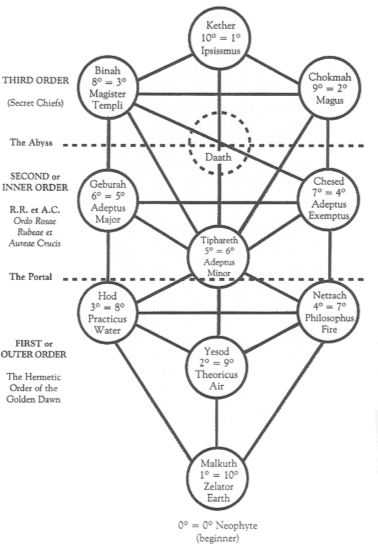
Why Initiation Grades Exist
The Golden Dawn grade system is not arbitrary, elitist, or ceremonial excess. It is a functional necessity.
Every force encountered in the Work; elemental, planetary, zodiacal, or spiritual; places pressure on the psyche. Without preparation, that pressure produces imbalance. The grade system exists to ensure that the practitioner encounters forces only when they are structurally capable of integrating them.
Grades serve three essential functions:
- They sequence exposure to increasingly complex forces
- They measure readiness, not aspiration
- They protect the practitioner from premature engagement
This is why the Golden Dawn never allowed unrestricted access to advanced practices. Knowledge was transmitted progressively, not because it was secret for secrecy’s sake, but because power without integration is destructive.
Initiation Is Change, Not Recognition
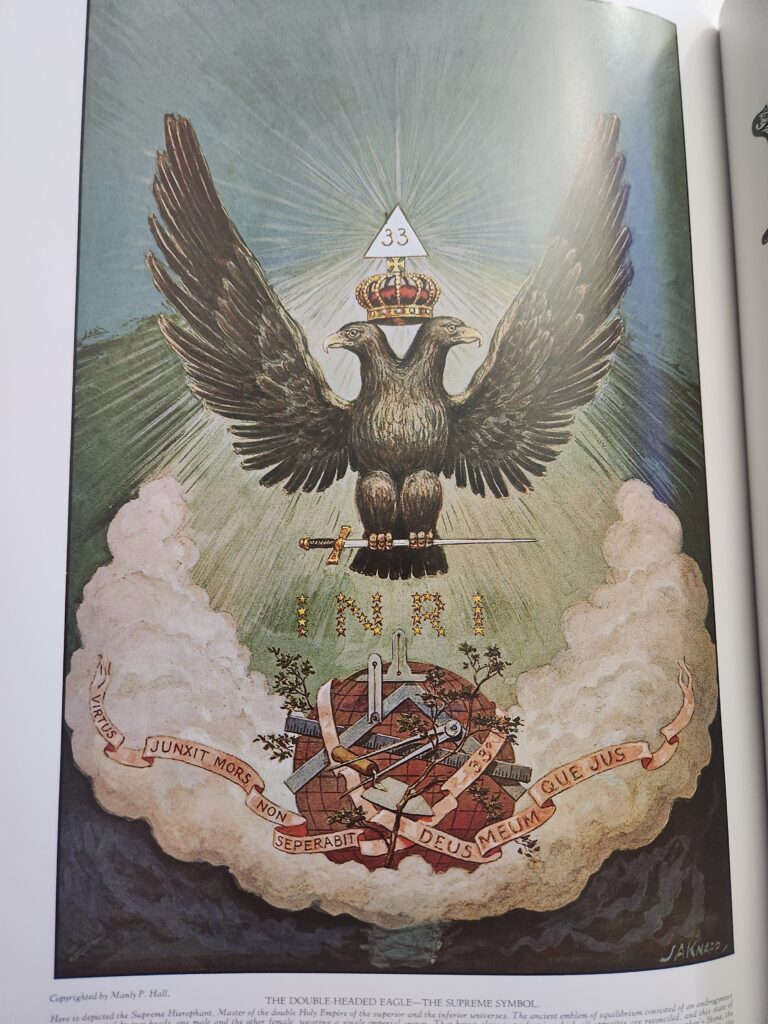
In the Golden Dawn, initiation is not a reward for effort or loyalty. It is not social validation. It is ontological change.
True initiation alters:
- How perception organizes itself
- How symbols are experienced
- How responsibility is felt and carried
- How power is constrained by ethics
After initiation, the practitioner does not merely know more. They cannot return to the previous mode of awareness. This is why initiation is irreversible when genuine.
Ceremony alone does not create this change. Ceremony is a container. The change occurs because the practitioner has already undergone sufficient preparation to cross a threshold safely.

The Grades as a Map of Consciousness
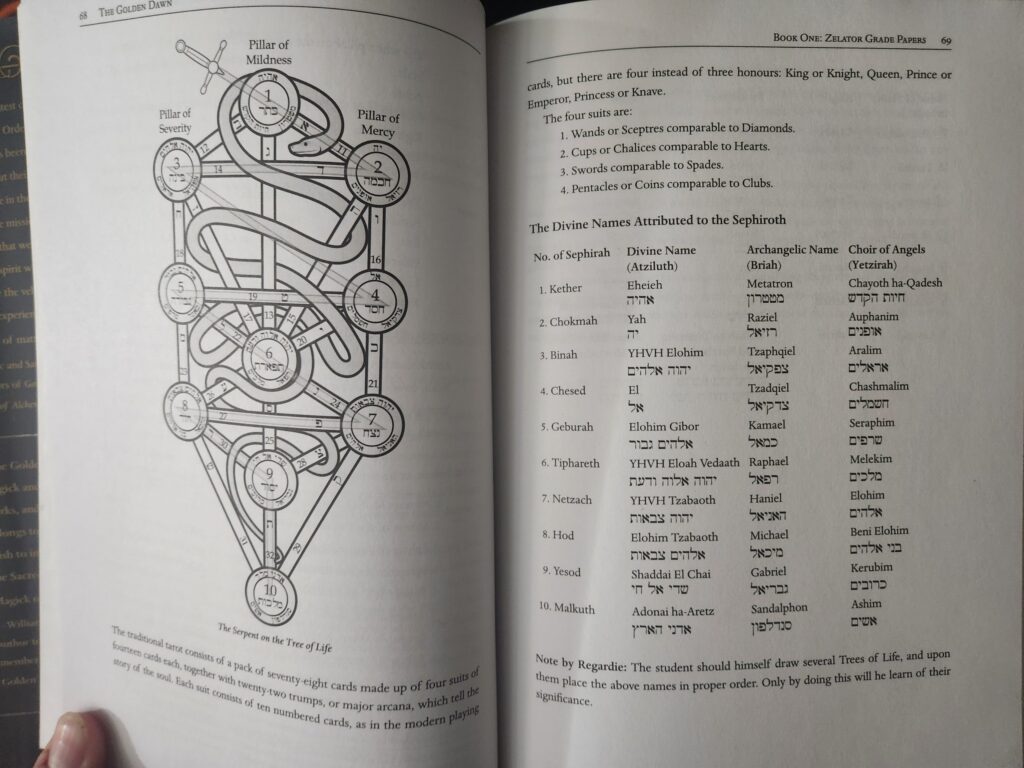
Each Golden Dawn grade corresponds to a specific relationship with:
- The Elements
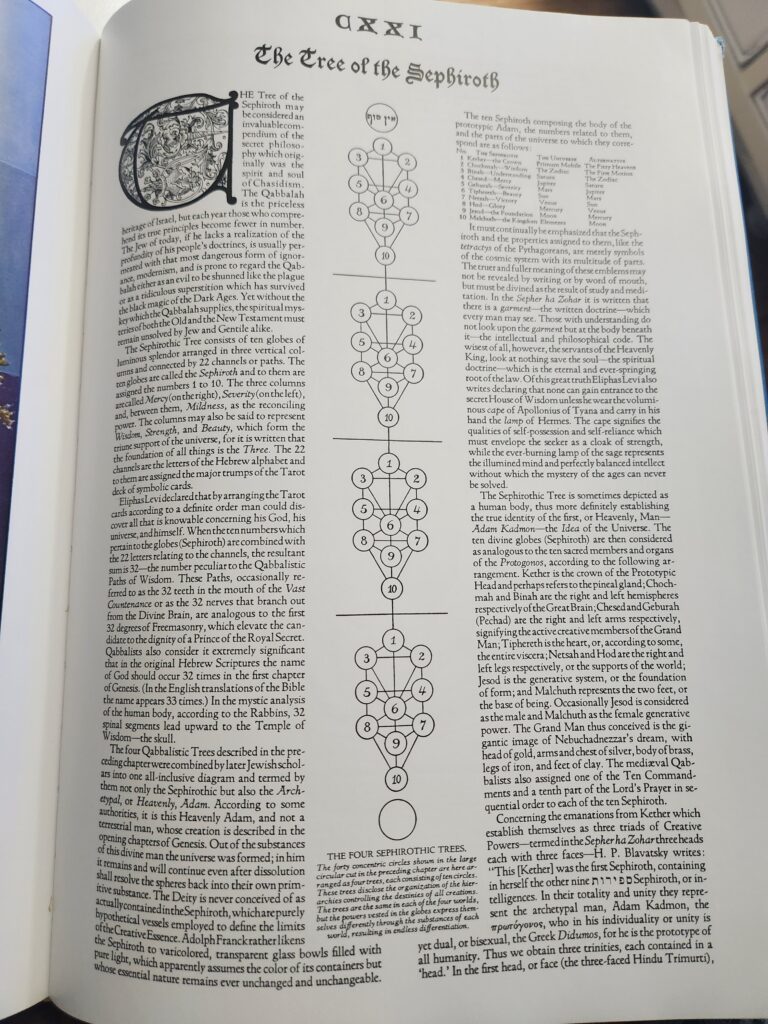
- The Tree of Life
- The forces of manifestation
Early grades focus on elemental balance, grounding, and self-knowledge. Later grades involve planetary refinement, ethical authority, and spiritual integration. At every stage, the practitioner is asked not “what do you believe?” but “what can you responsibly carry?”
This is why grades are cumulative. Skipping stages does not accelerate development; it destabilizes it.
The system is not designed to be fast.
It is designed to be stable.
What Initiation Actually Changes
Authentic initiation produces specific, observable effects over time:
- Increased internal coherence
- Reduced projection and reactivity
- Greater clarity in decision-making
- A heightened sense of ethical responsibility
- A shift from fascination to discipline
Initiation does not eliminate struggle. It changes the relationship to struggle. Challenges become intelligible rather than overwhelming. Resistance becomes instructive rather than personal.
This is how the Golden Dawn distinguishes genuine initiation from spiritual performance.
Why Self-Initiation Is So Often Misunderstood
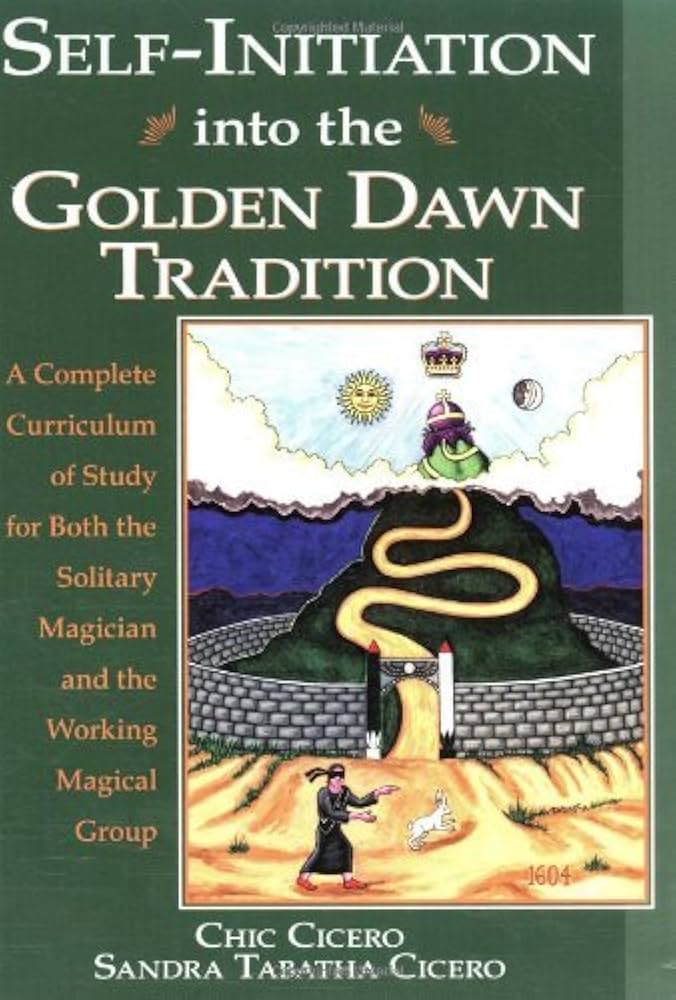
Modern occult discourse frequently promotes “self-initiation” as a replacement for structured systems. While solitary work can be valuable, self-initiation is not equivalent to self-authorization.
The danger arises when:
- Emotional experiences are mistaken for advancement
- Symbolic identification replaces integration
- Personal intuition replaces structural verification
Without external benchmarks, practitioners often advance in narrative rather than in reality. The Golden Dawn does not deny inner authority; it insists that authority be earned through discipline, balance, and responsibility.
Self-initiation without structure often leads to:
- Inflation
- Fragmentation
- Chronic instability
- Confusion between insight and imagination
The grade system exists to prevent exactly this outcome.
Why Grades Protect the Work
Initiation is not about access; it is about containment.
Each grade limits what the practitioner is expected to engage, ensuring that:
- Power is met with proportional responsibility
- Insight is grounded before expansion
- Integration precedes transcendence
This protects not only the individual, but the tradition itself. Without grades, teachings mutate, fragment, and collapse into personality cults or aesthetic repetition.
Structure preserves transmission.

Initiation and the Great Work
The Great Work unfolds through the grades, not around them. Each grade represents a refinement of the self’s relationship to force, culminating not in dominance, but in alignment.
The goal is not to ascend endlessly, but to become:
- Stable
- Coherent
- Ethical
- Capable of service
Initiation does not separate the practitioner from the world. It returns them to it, changed.
Why the Golden Dawn Grade System Endures
Many systems promise freedom by removing structure. The Golden Dawn offers freedom by mastering it.
Its grade system endures because it:
- Reflects how consciousness actually develops
- Prevents premature collapse
- Integrates power with ethics
- Transmits reliably across generations
This is not rigidity.
It is engineering.
Where This Leads Next
Once initiation is understood as lawful progression, a hard question must be confronted:
Why has so much of modern “Golden Dawn” lost this structure?
- Section 9: Why Most Modern “Golden Dawn” Is Broken
This is where diagnosis becomes unavoidable.
FAQ 1: What does initiation mean in the Golden Dawn tradition?
In the Golden Dawn, initiation is a structured and measurable change in consciousness rather than a ceremonial title or emotional experience. It marks a genuine shift in how the practitioner perceives, integrates, and responsibly carries spiritual forces within the framework of the Great Work.
FAQ 2: Why does the Golden Dawn use an initiation grade system?
The initiation grades exist because consciousness develops progressively. Each grade corresponds to a specific level of elemental balance, responsibility, and integration. The system ensures that forces are encountered only when the practitioner is structurally prepared to engage them safely and coherently.
FAQ 3: Are Golden Dawn initiation grades about hierarchy or status?
No. Golden Dawn grades are not social ranks or measures of spiritual superiority. They function as safeguards that indicate readiness for deeper engagement with symbolic, elemental, and planetary forces. Advancement reflects integration and responsibility, not prestige.
FAQ 4: What actually changes during a genuine initiation?
A genuine initiation produces lasting changes in perception, ethical awareness, and internal coherence. Rather than increasing intensity or mystical sensation, initiation stabilizes consciousness, reduces fragmentation, and deepens the practitioner’s capacity to engage force without distortion.
FAQ 5: Is self-initiation valid in the Golden Dawn system?
Self-directed study can be valuable, but self-initiation is often misunderstood. Without structured benchmarks and progressive safeguards, individuals may mistake emotional or symbolic experiences for genuine advancement. The Golden Dawn grade system exists to prevent this confusion by emphasizing discipline, verification, and integration.
FAQ 6: Why is it dangerous to skip initiation grades?
Skipping grades exposes the practitioner to forces they are not yet prepared to integrate. This can lead to imbalance, instability, or distortion of understanding. The Golden Dawn system requires progressive initiation to ensure that development remains ethical, coherent, and sustainable.