Section 1 — What Is the Hermetic Order of the Golden Dawn, and Why It Still Matters
The Hermetic Order of the Golden Dawn is widely misunderstood, diluted, and misrepresented in modern occult culture. It is not a social club, not roleplay, and not an aesthetic magical aesthetic built for performance or identity. The Golden Dawn is a complete initiatory system; a structured, hierarchical, and internally coherent body of Western esoteric doctrine designed to transform the consciousness of the practitioner through disciplined study, ritual practice, and alignment with universal law. Rooted in Hermeticism, Qabalah, astrology, alchemy, and ceremonial magic, the Golden Dawn system functions as a unified spiritual technology rather than a collection of isolated techniques. Its purpose is not entertainment or belief, but initiation; the methodical refinement of the self through the Great Work.
Unlike modern occult systems that fragment practice into trends, aesthetics, or personal intuition alone, the Golden Dawn offers a total framework in which every element has meaning, placement, and function. Its rituals, tools, symbols, and grades are not arbitrary; they are interlocking components of a larger cosmological model that maps the relationship between the individual soul and the structure of the universe. To engage the Golden Dawn properly is to submit to a system that demands clarity, discipline, and responsibility; qualities largely absent from contemporary magical culture, yet essential for genuine spiritual development.
In 2026, the Golden Dawn matters more than ever precisely because modern occultism is fractured. Many contemporary approaches prioritize identity, aesthetics, or emotional experience over structure and coherence, resulting in systems that lack longevity or transformative depth. The Golden Dawn endures because it is structurally superior; its teachings scale, integrate, and endure across time because they are rooted in universal principles rather than passing trends. The revival of the Golden Dawn is not about nostalgia or historical reenactment; it is about restoring a functional initiatory system capable of guiding serious aspirants through confusion, fragmentation, and spiritual noise. In an era overwhelmed by information but starved for wisdom, the Golden Dawn remains a proven path toward order, mastery, and conscious participation in the Great Work.
Section 2 — The Golden Dawn Worldview and the True Meaning of the Great Work
At the core of the Hermetic Order of the Golden Dawn lies a coherent worldview, not a belief system. The Golden Dawn teaches that reality is structured according to universal law, expressed through a living correspondence between the microcosm (the individual) and the macrocosm (the universe). This relationship is encapsulated in the Hermetic axiom “As above, so below; as below, so above”; not as poetic metaphor, but as an operational principle. Every movement of consciousness, every act of will, and every transformation of the soul reflects and participates in larger cosmic processes. Magic, within this framework, is not superstition or fantasy, but the conscious alignment of the individual with these universal structures.
The Golden Dawn worldview rejects the modern notion of magic as wish-fulfillment, imagination, or emotional catharsis. Instead, it presents magic as alignment, discipline, and lawful operation. Symbols are not arbitrary; rituals are not theatrical; tools are not decorative. Each element of Golden Dawn practice exists to bring the practitioner into harmony with the underlying architecture of reality. When properly understood, magic becomes a method of self-correction; adjusting perception, intention, and action until the individual reflects the order of the cosmos itself. This worldview demands responsibility, clarity, and humility, qualities that sharply distinguish it from contemporary approaches rooted in personal fantasy or unstructured intuition.
Central to this worldview is the Great Work, a term frequently used but rarely understood. In the Golden Dawn tradition, the Great Work is not vague “self-improvement,” nor is it the pursuit of power, visions, or mystical experiences for their own sake. The Great Work is the systematic refinement and integration of the self, culminating in conscious unity between the material, psychological, and spiritual dimensions of being. It is the process by which the fragmented individual is brought into alignment with universal intelligence, achieving balance, mastery, and ethical authority.
Just as importantly, the Golden Dawn is explicit about what the Great Work is not. It is not escapism, not spiritual cosplay, and not a shortcut to enlightenment. It does not promise instant transformation or personal validation. Most people never complete the Great Work because it requires sustained discipline, confrontation with illusion, and the surrender of egoic identity. The Golden Dawn does not cater to comfort; it demands coherence. For those willing to engage seriously, however, it offers something increasingly rare in the modern world: a complete, functional system for spiritual development grounded in structure, correspondence, and truth.
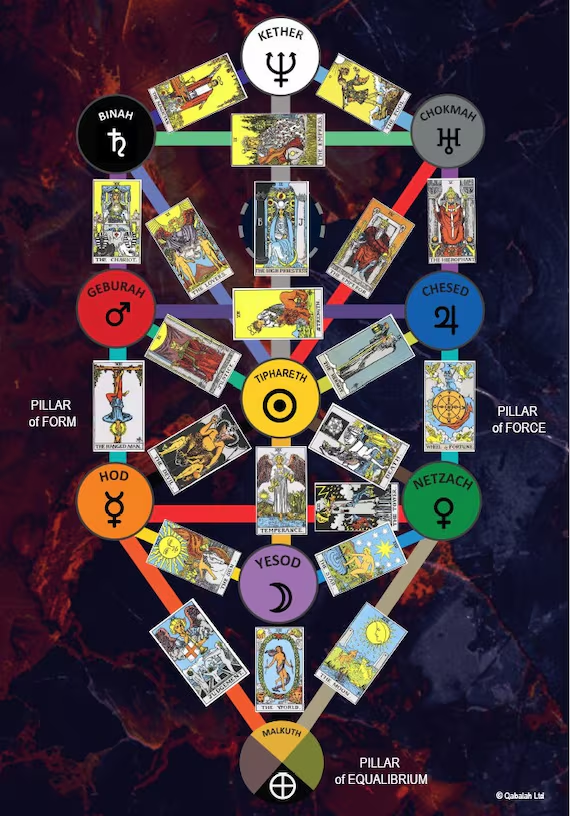
Section 3 — The Tree of Life: The Operating System of the Golden Dawn
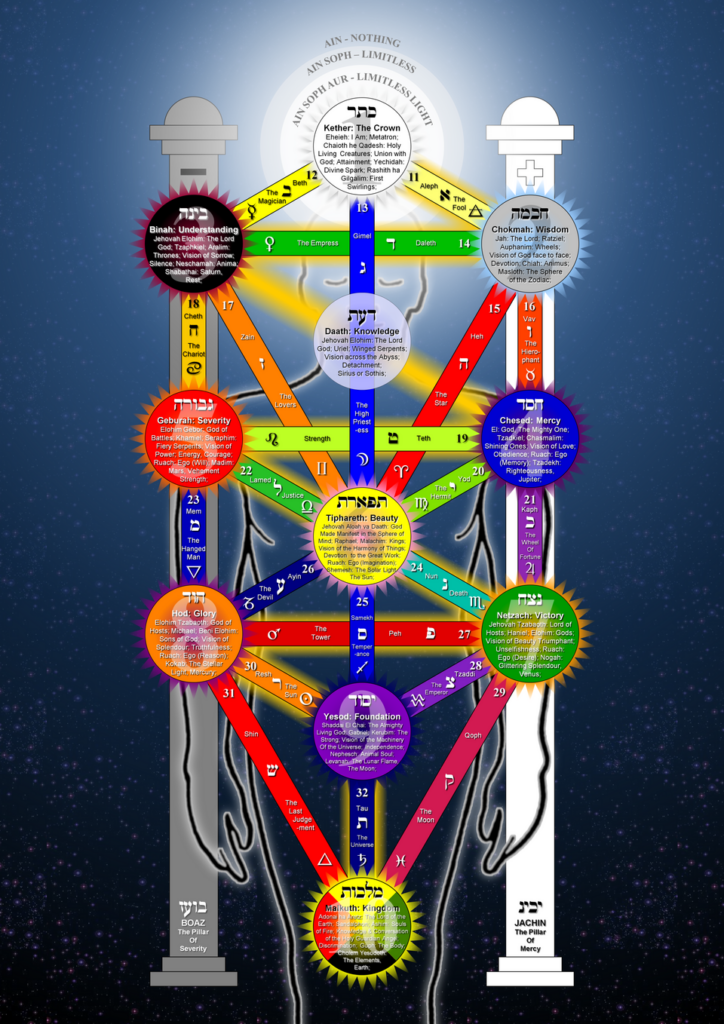
The Tree of Life is the structural foundation upon which the entire Hermetic Order of the Golden Dawn is built. It is not a diagram, a metaphor, or a symbolic curiosity; it is the operating system of Western esotericism. Every ritual, tool, planet, element, zodiacal force, initiation grade, and spiritual experience within the Golden Dawn system maps directly onto the Tree of Life. The Sephiroth represent distinct modes of consciousness and manifestation, while the Paths describe the processes by which those modes interact, transform, and integrate. Together, they form a complete model of reality, consciousness, and spiritual development.
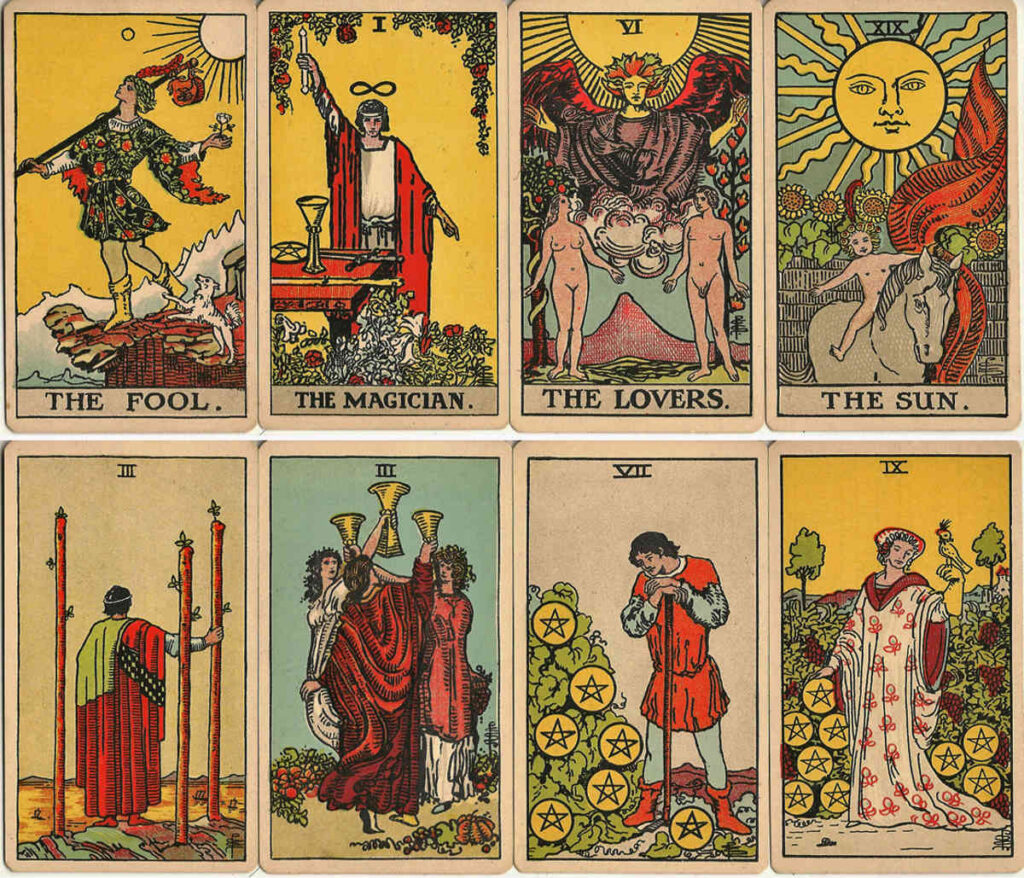
Within this framework, the Sephiroth are not abstract qualities but living principles, each governing specific forces of intellect, will, emotion, structure, and embodiment. The Paths are not symbolic journeys alone, but transformational processes that define how consciousness moves between states. Nothing within the Golden Dawn exists outside this structure. Astrology, alchemy, elemental magic, tarot, ritual implements, and initiation grades all derive meaning from their placement on the Tree. This is why everything maps here; because the Tree of Life is the unifying grammar that allows all esoteric knowledge to function as a single, coherent system.
For this reason, all real Golden Dawn work is fundamentally Qabalistic. To remove the Tree of Life from Golden Dawn practice is to dismantle the system itself. Without Qabalah, rituals lose context, symbols lose precision, and spiritual experiences become disconnected and subjective. Many modern occult systems collapse precisely because they bypass this structure; borrowing symbols without understanding their placement, practicing rituals without knowing what forces are being engaged, and pursuing “experience” without integration. The Golden Dawn endures because it does not allow this fragmentation. It insists upon structure, correspondence, and coherence.
Skipping the Tree of Life does not simplify the Work; it ruins it. Without Qabalistic grounding, magic devolves into improvisation, and spiritual development becomes unstable and inconsistent. The Tree of Life is what ensures that transformation occurs lawfully, ethically, and progressively. It is the map that prevents confusion, imbalance, and self-deception. In the Golden Dawn tradition, mastery begins when the aspirant understands that the Tree of Life is not something studied alongside the Work; it is the Work itself.
Section 4 — The Five Elements in Golden Dawn Magic: The Forces That Shape Consciousness
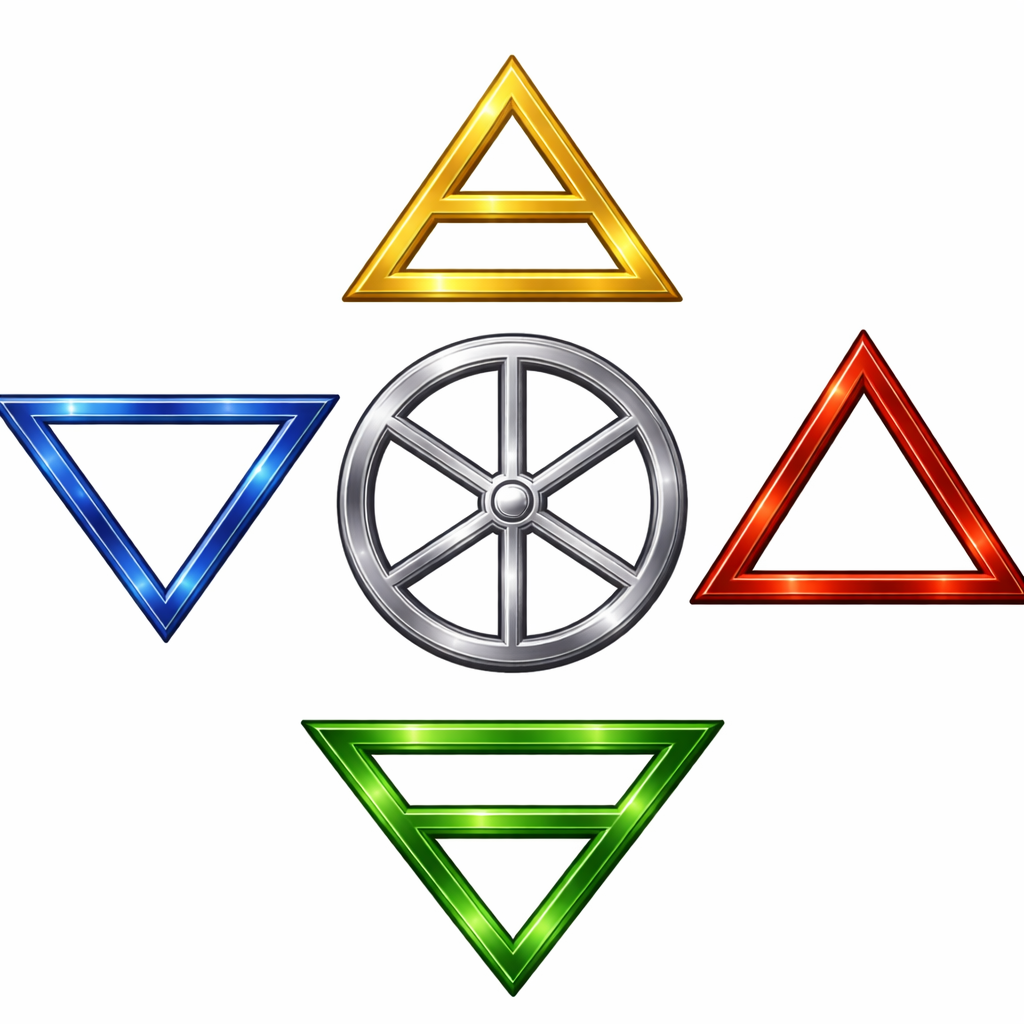
The Five Elements; Air, Fire, Water, Earth, and Spirit; form the primary engine of all Golden Dawn magical work. They are not symbolic labels, personality traits, or abstract philosophical ideas, but living forces of manifestation through which consciousness, ritual, and spiritual development operate. Every thought, action, emotion, and material condition arises from elemental interaction. In the Golden Dawn system, mastery of magic begins with mastery of the elements; not through belief, but through disciplined understanding, ritual engagement, and conscious balance.
Each element governs a distinct mode of operation: Air rules intellect, communication, and perception; Fire governs will, transformation, and directed power; Water shapes emotion, intuition, and the inner world; Earth establishes form, stability, and material realization. These four elements do not exist independently; they function as a dynamic system, constantly influencing and correcting one another. When balanced, they produce coherence and clarity; when distorted, they generate confusion, excess, or stagnation. Golden Dawn practice exists in large part to identify, refine, and equilibrate these elemental forces within the practitioner.
At the center of this system stands Spirit, the unifying principle that transcends and harmonizes the four elements. Spirit is not simply a fifth element added to the others; it is the governing intelligence that orders them into a functional whole. Through Spirit, the elements become instruments rather than obstacles, forces directed by conscious alignment rather than unconscious habit. Spirit governs the zodiacal current and represents the integration of the microcosm with the macrocosm. Without Spirit, elemental work becomes fragmented and unstable; with it, the elements become vehicles of initiation and transformation.
Elemental imbalance is one of the most common and least understood causes of failure in modern occult practice. Excess Fire leads to domination and burnout; unchecked Water dissolves boundaries into confusion; Air without grounding fractures into abstraction; Earth without movement stagnates into inertia. The Golden Dawn addresses this not through suppression, but through structured equilibration, ensuring that no single element dominates the Work. The Five Elements, properly understood, form the living foundation of ritual magic, self-mastery, and the progressive unfolding of the Great Work.
Section 5 — The Planetary Forces: The Intelligences That Shape Consciousness and Fate
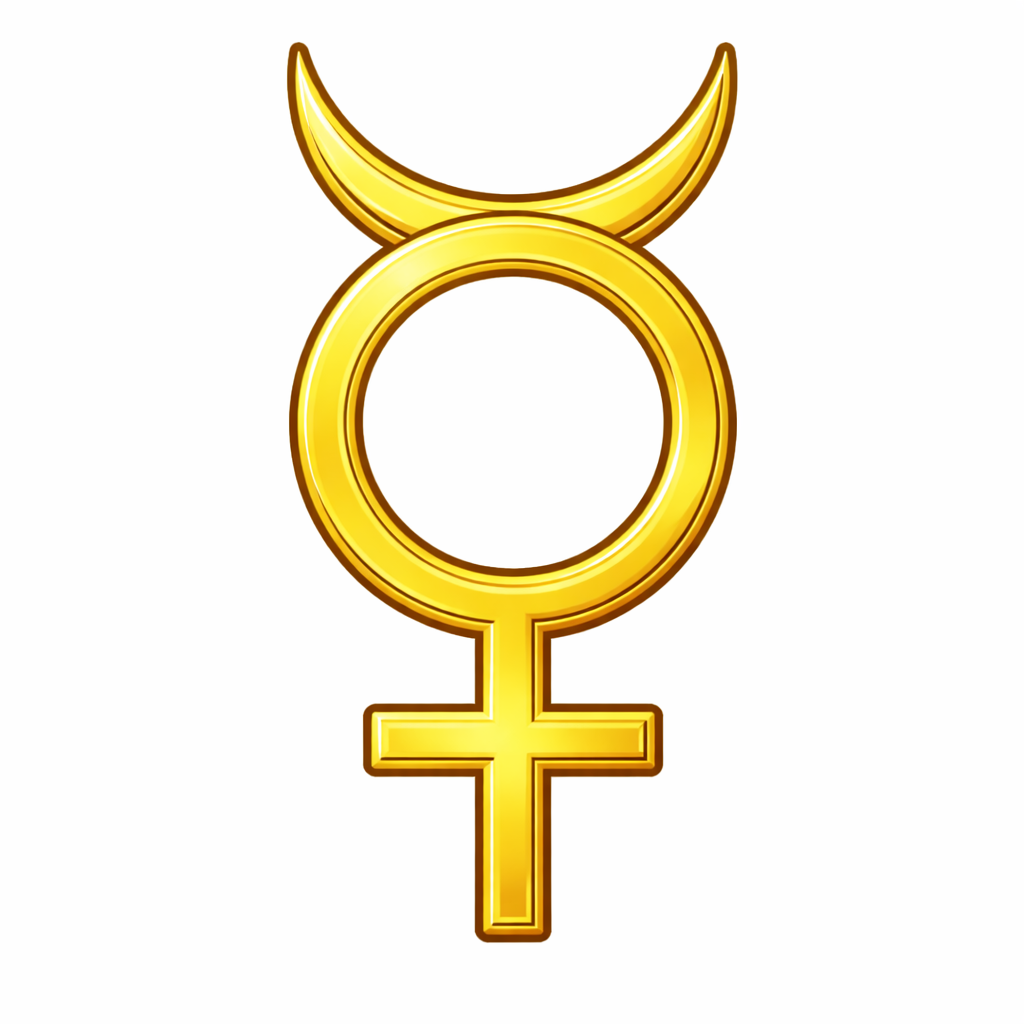
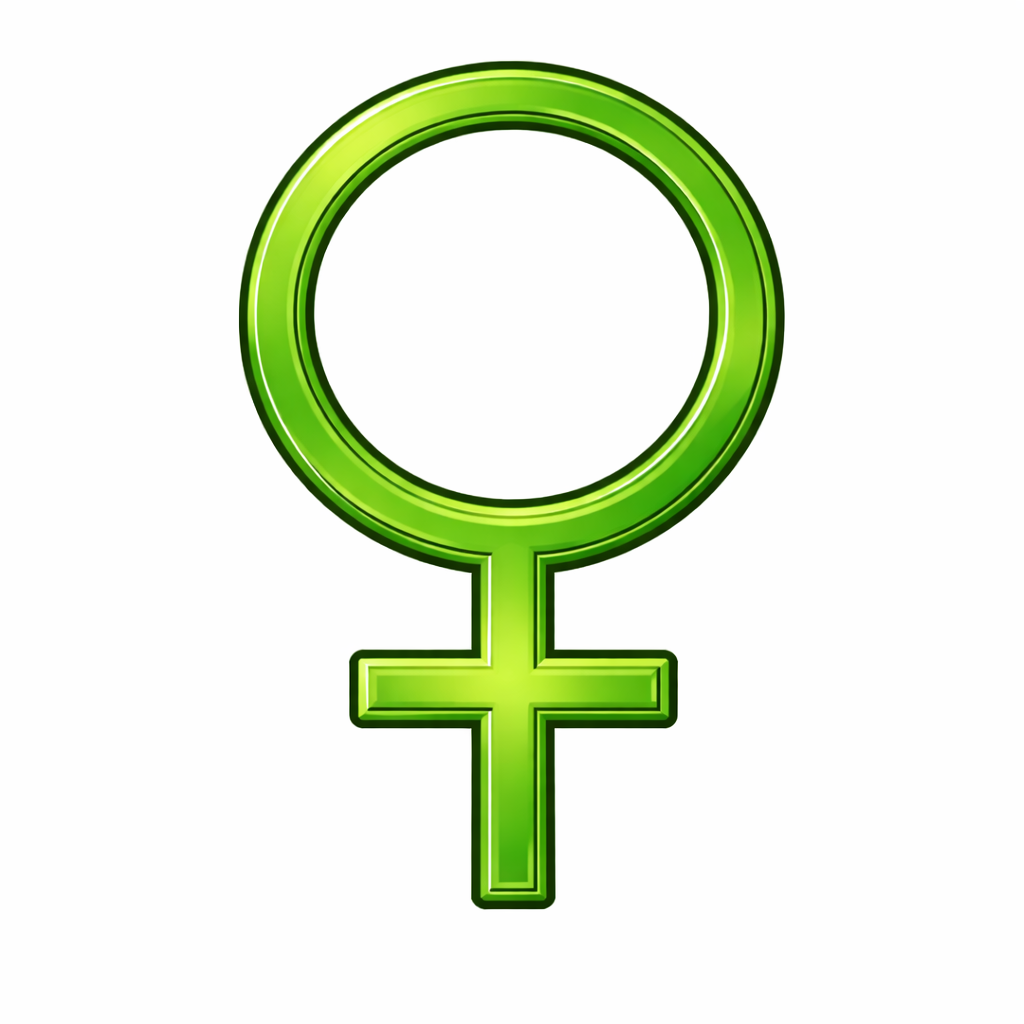
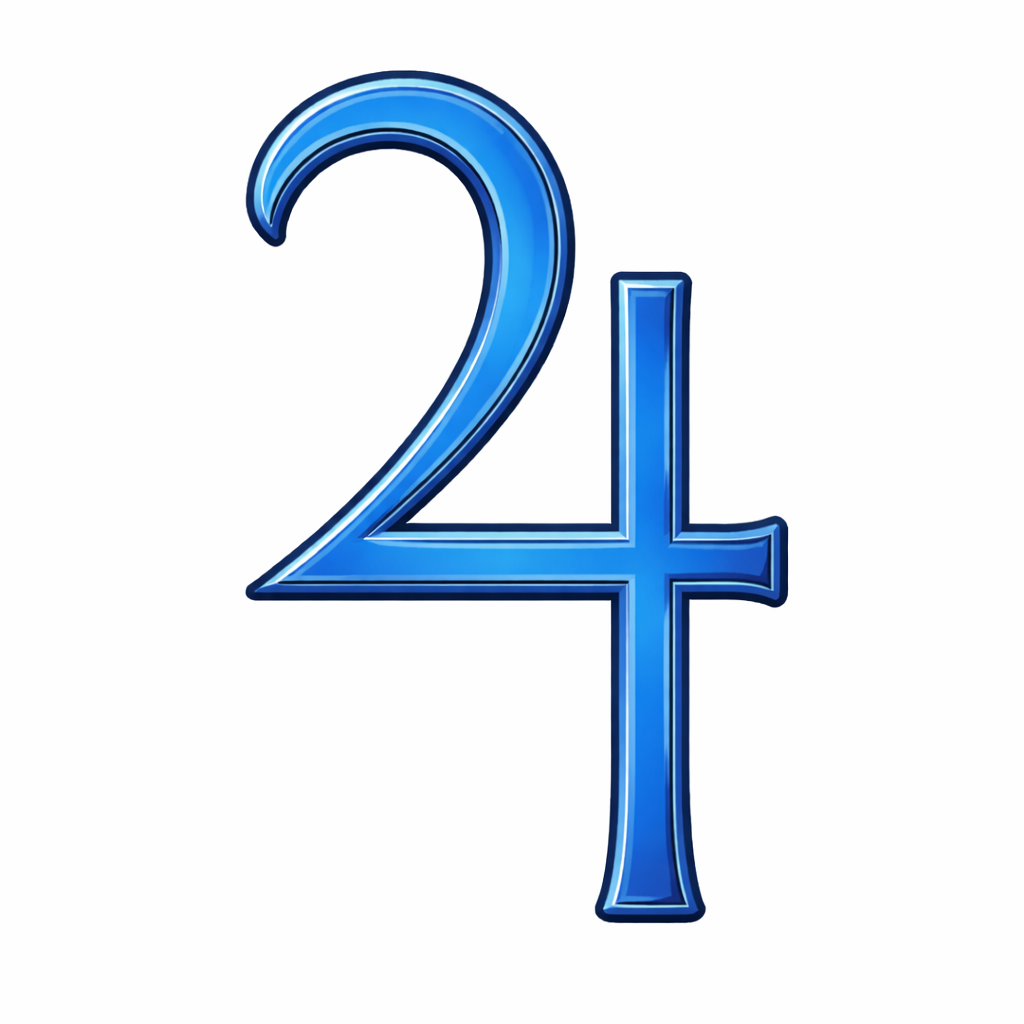
Within the Hermetic Order of the Golden Dawn, the Planets are not inert celestial objects, nor are they psychological abstractions. They are living formative intelligences; cosmic principles through which spiritual force is structured, differentiated, and expressed within the universe and the human soul. The Seven Classical Planets; Sun, Moon, Mercury, Venus, Mars, Jupiter, and Saturn; form the traditional backbone of Western esoteric astrology and Qabalistic magic, each corresponding to a specific sphere of influence on the Tree of Life. Together, they govern identity, perception, intellect, desire, action, growth, and limitation, shaping both the inner life of the aspirant and the external conditions through which initiation unfolds.
In Golden Dawn practice, the planetary forces are not studied in isolation. Each planet operates as part of a precise hierarchical system, interacting with the elements, the zodiac, and the Sephiroth to produce lawful and intelligible results. Ritual magic, talismanic work, invocation, and self-transformation all depend upon correct planetary understanding. When planetary forces are properly aligned, consciousness becomes ordered and purposeful; when misunderstood or ignored, practice becomes chaotic and psychologically unstable. This is why planetary study is not optional within the Golden Dawn; it is foundational.
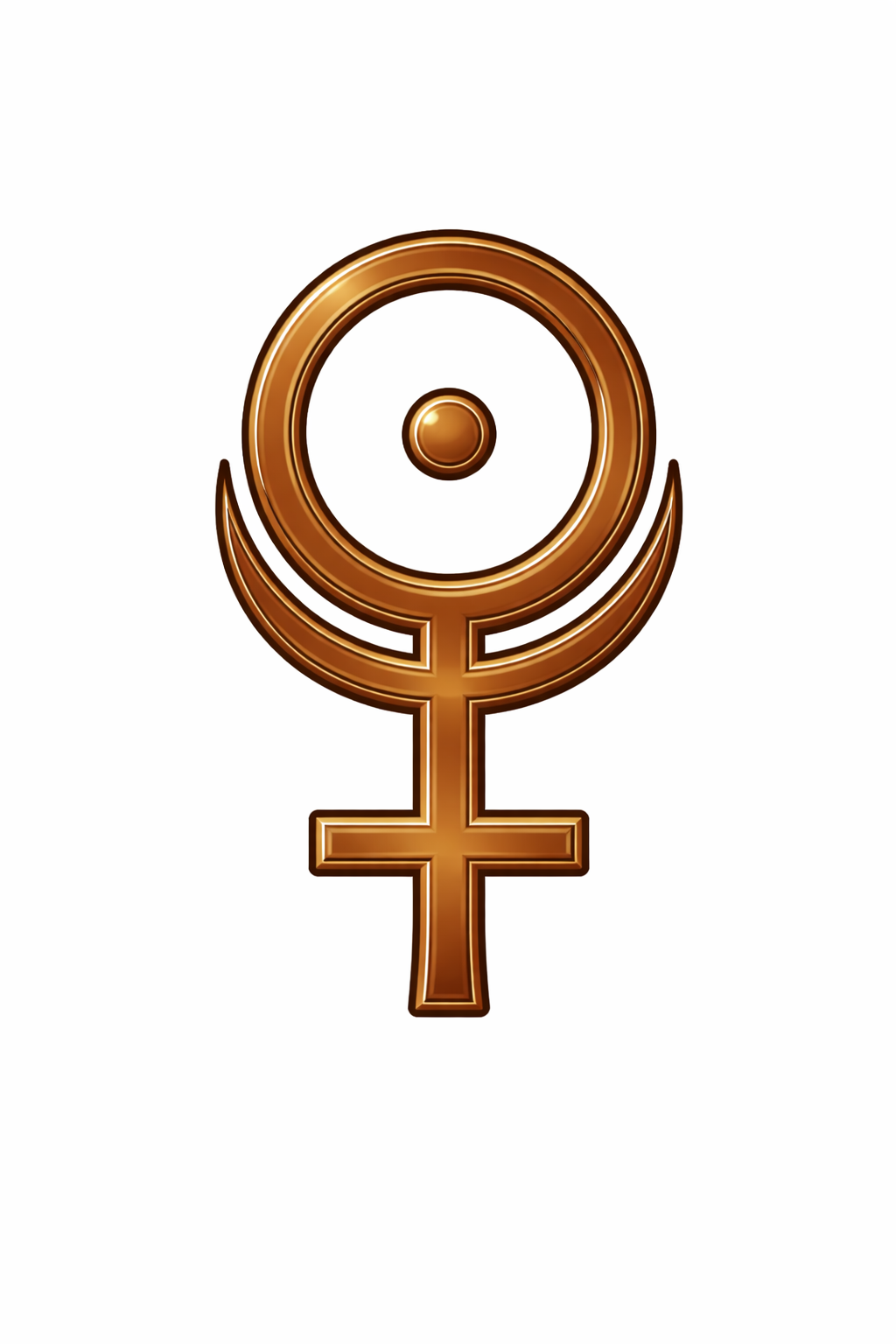
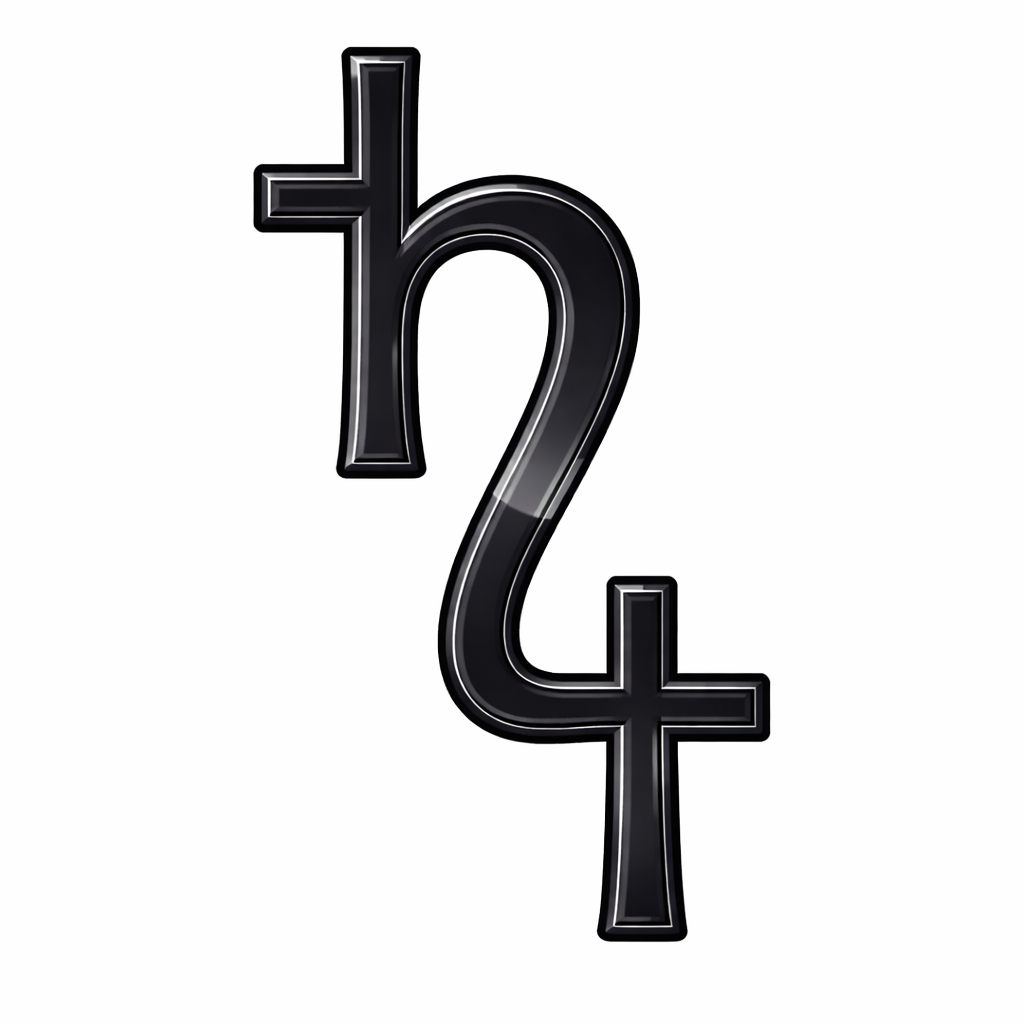
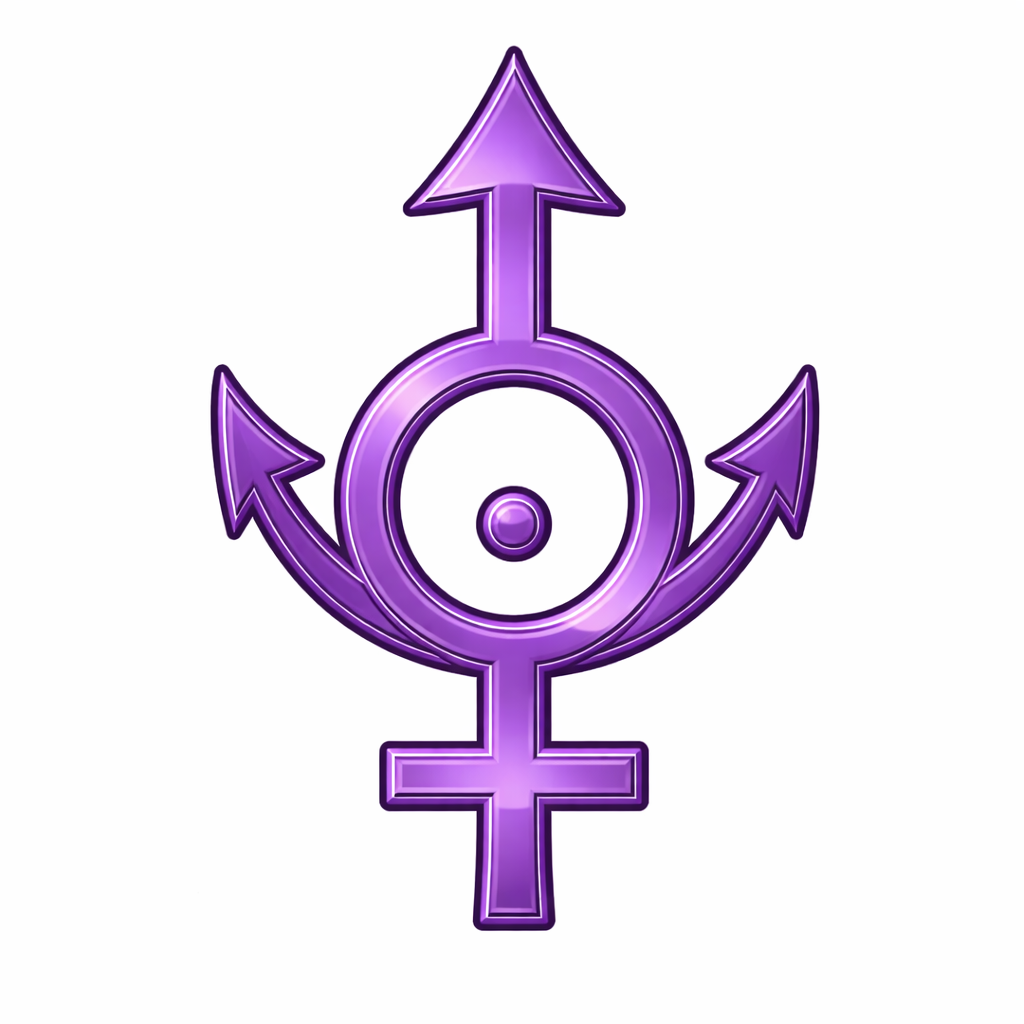
Beyond the classical framework, modern Hermetic systems informed by Golden Dawn principles also integrate Uranus, Neptune, Pluto, and Earth as higher-order and transpersonal forces. These modern planets correspond to collective awakening, dissolution, transformation, and material embodiment, respectively. While absent from ancient astrology, their effects are unmistakable in contemporary consciousness and are best understood through the existing Golden Dawn structure, not outside of it. Uranus disrupts and liberates, Neptune dissolves boundaries and illusion, Pluto destroys and regenerates, and Earth anchors the Work into lived reality. When integrated responsibly, these forces expand the Golden Dawn system without breaking it; demonstrating its capacity for evolution without fragmentation.
The Golden Dawn approach to planetary magic stands in sharp contrast to modern astrology that treats planets as personality descriptors or predictive entertainment. In this system, planets are initiatory powers, shaping the aspirant through cycles of refinement, trial, and integration. To work with the planets is to engage directly with the architecture of fate and consciousness itself. Mastery of the planetary forces allows the practitioner to understand not only what happens in life, but why; and how those forces may be consciously aligned in service of the Great Work.



Section 6 — The Zodiac as a Living Initiatory Cycle
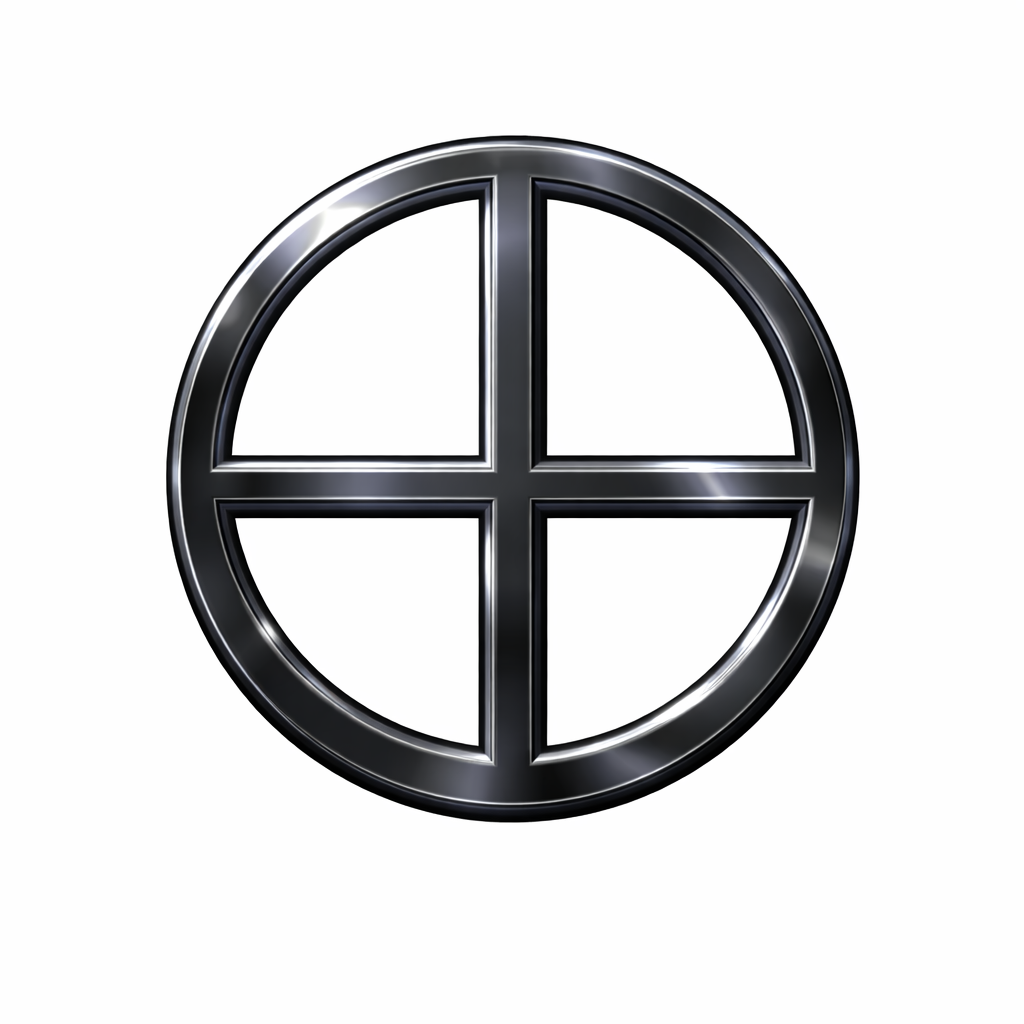
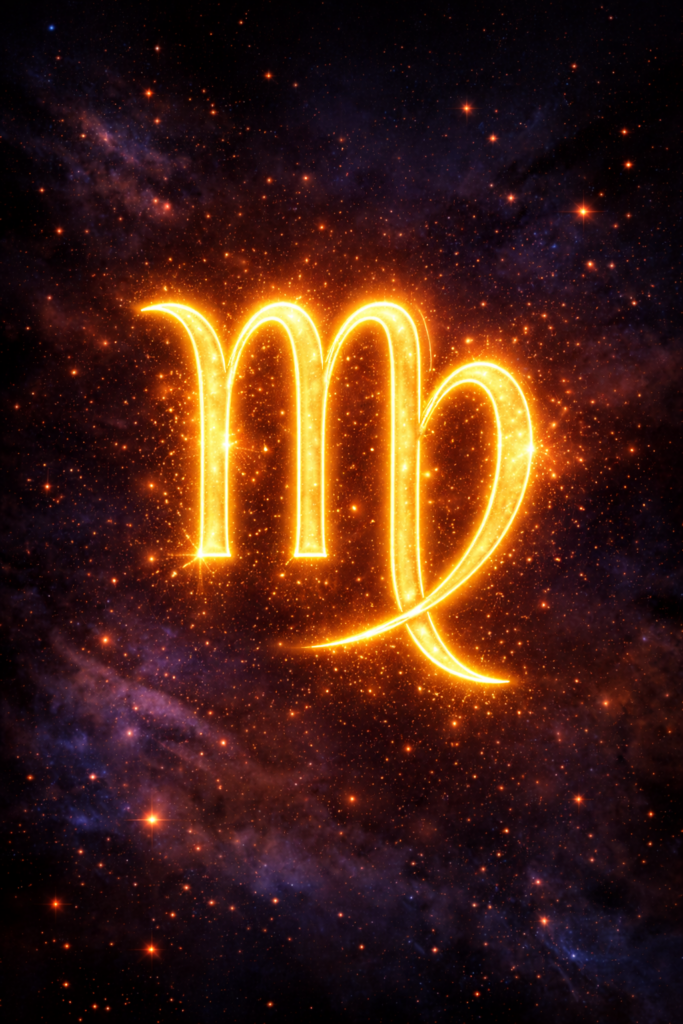
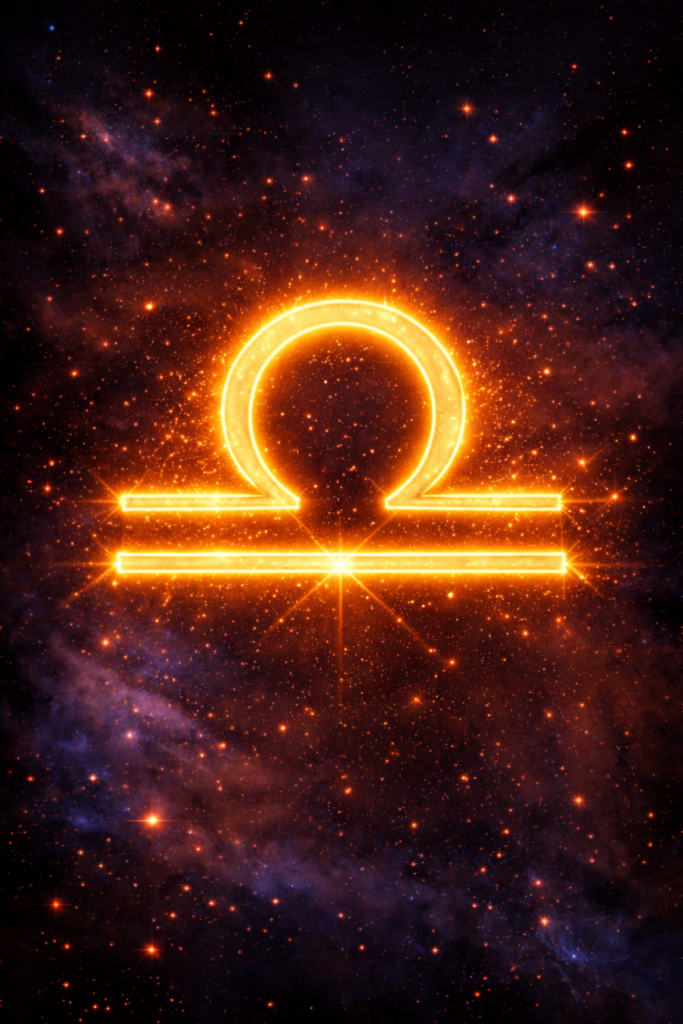
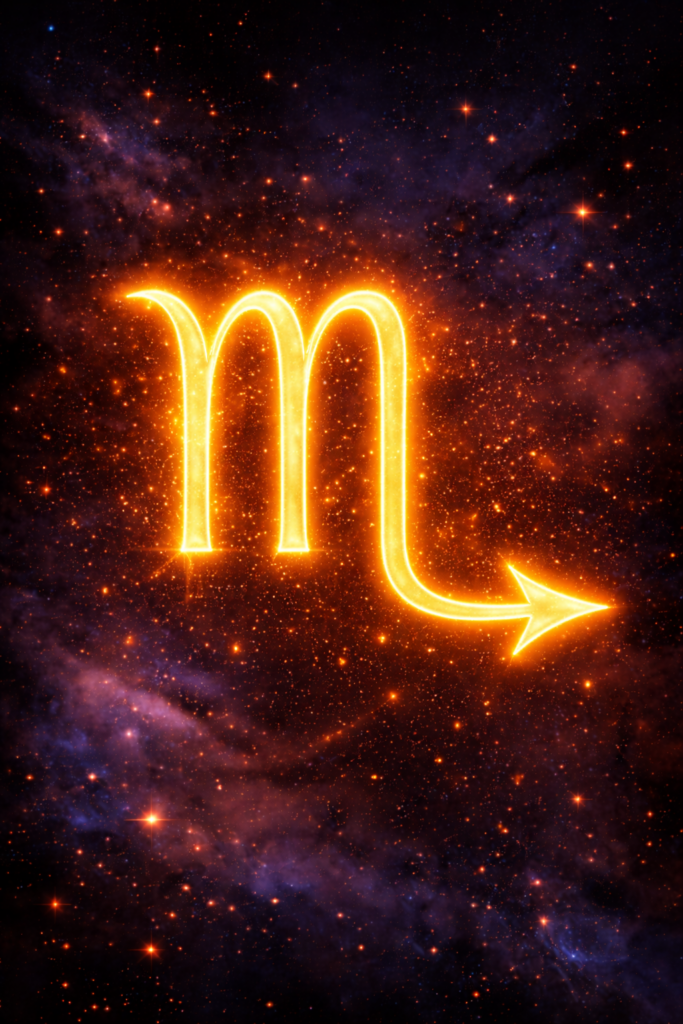
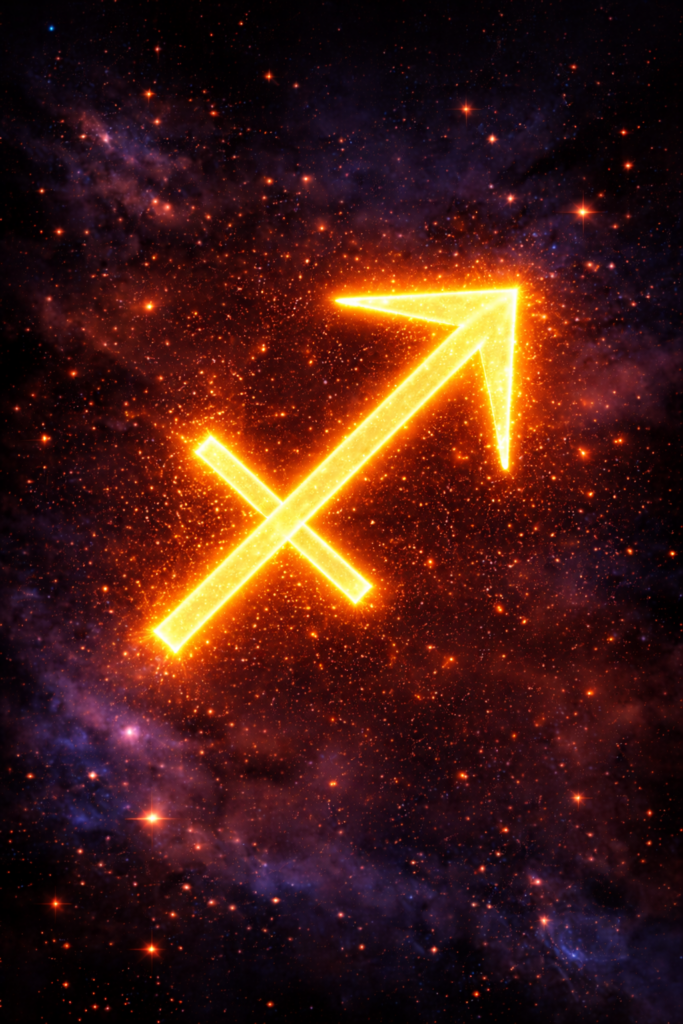
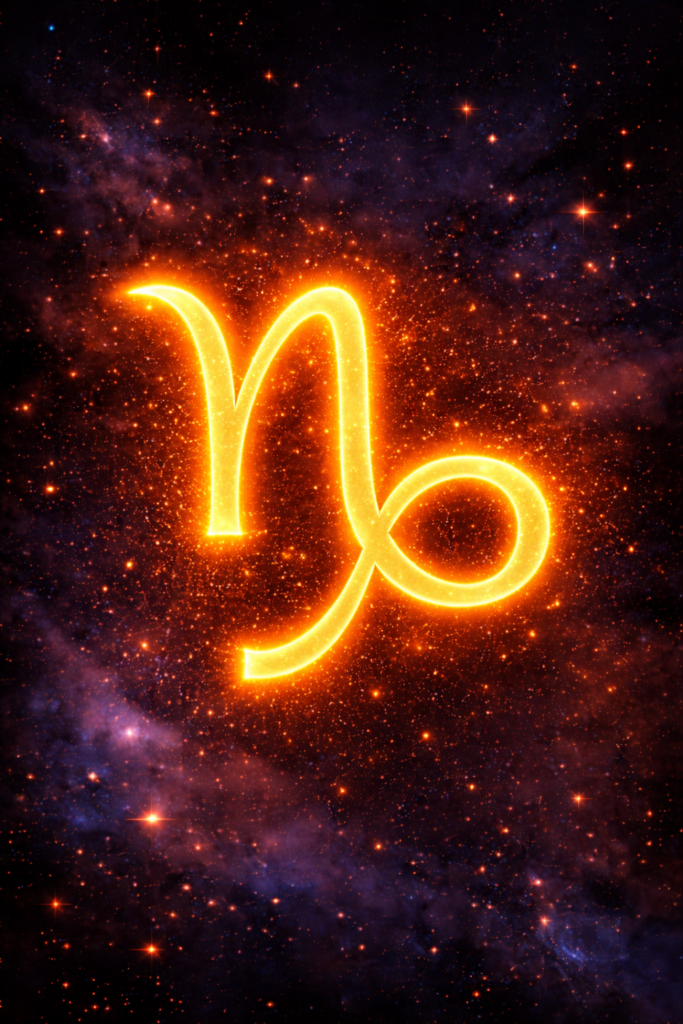
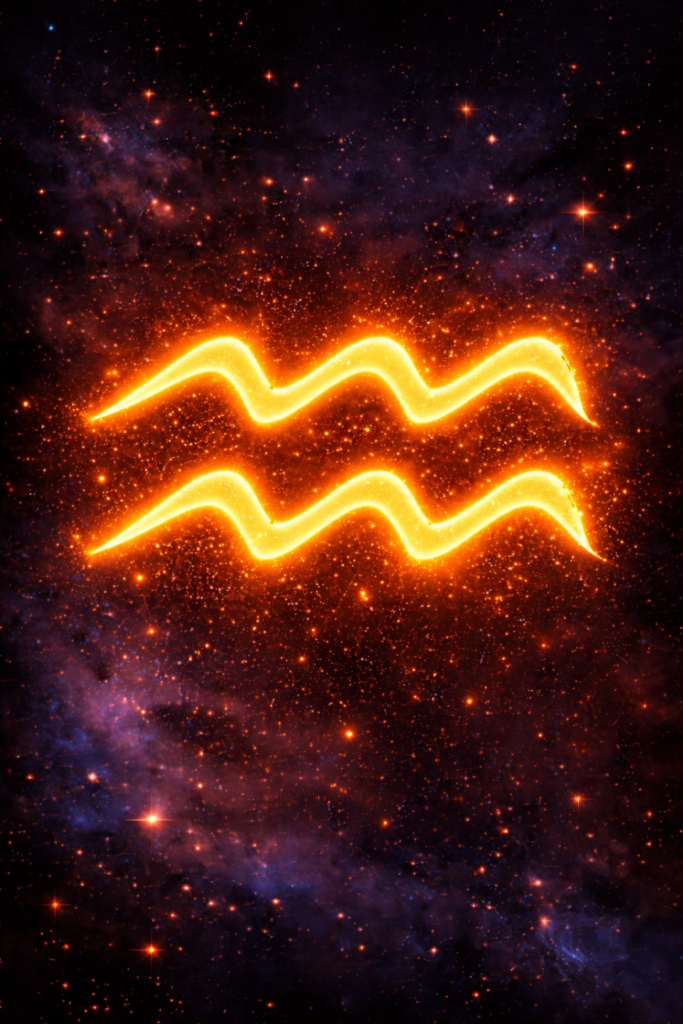
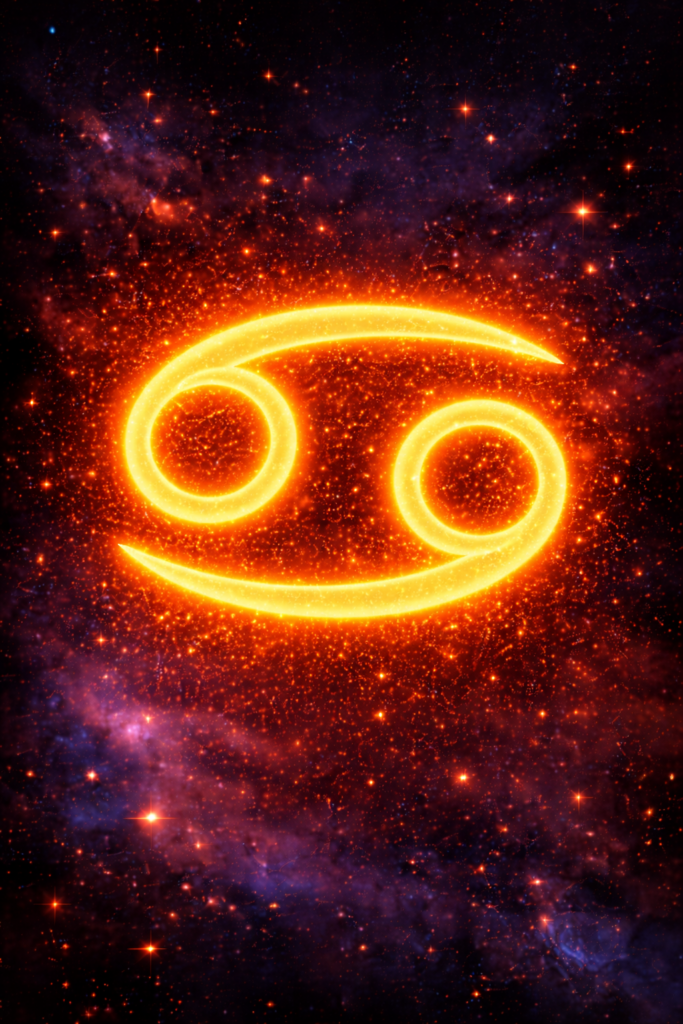
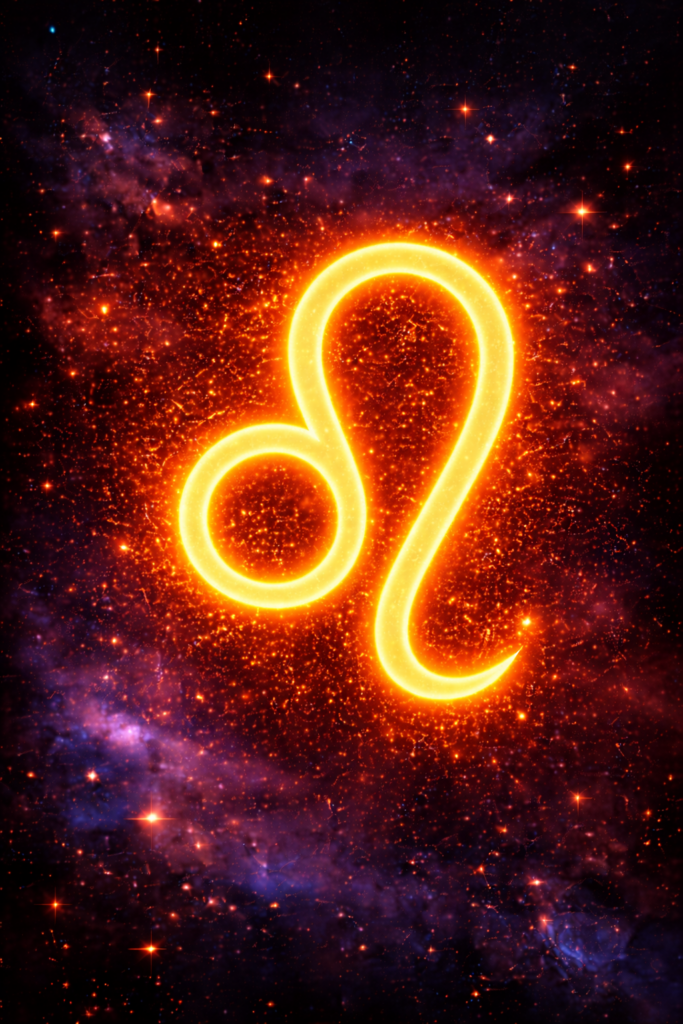
Within the Hermetic Order of the Golden Dawn, the Zodiac is not a system of personality traits, horoscopes, or psychological labels. It is a living initiatory cycle; a complete circuit of cosmic force through which Spirit expresses itself in time, form, and consciousness. Each zodiacal sign represents a distinct mode of force, a specific way in which universal intelligence moves, acts, and refines itself within creation. To misunderstand the Zodiac as personality typing is to reduce a sacred cosmological engine into entertainment. The Golden Dawn restores the Zodiac to its proper function: a map of spiritual motion and transformation.
The twelve signs are not arbitrary divisions of the sky, but twelve archetypal currents through which elemental and planetary forces are differentiated and expressed. Each sign governs a precise relationship between will, form, emotion, and intellect, shaping both the inner development of the aspirant and the larger rhythms of the cosmos. In Golden Dawn practice, the Zodiac is inseparable from ritual magic, talismanic work, pathworking, and initiation grades. It is the dynamic field through which planetary and elemental energies operate, giving them direction, timing, and purpose.
Crucially, the Zodiac is governed by Spirit, which unifies the twelve modes into a coherent whole. Spirit does not belong to a single sign, but contains and orders the entire zodiacal cycle, ensuring that differentiation does not collapse into fragmentation. Through Spirit, the Zodiac becomes a wheel of initiation rather than a set of isolated influences. Each sign refines consciousness through a specific challenge, lesson, and mode of awareness, contributing to the progressive unfolding of the Great Work.
The Golden Dawn teaches that true zodiacal understanding comes not from identification, but from integration. The aspirant does not “have” a sign; they are shaped by the entire cycle. Mastery arises when the practitioner learns to recognize, balance, and consciously engage all twelve zodiacal forces within themselves. Studied in this way, the Zodiac becomes a living mechanism of initiation, guiding the soul through cycles of emergence, conflict, refinement, and return; until Spirit is fully expressed through conscious alignment with universal law.
Section 7 — Why Golden Dawn Tools Matter: Implements as Engines of Initiation
In the Hermetic Order of the Golden Dawn, tools are not props, decorations, or theatrical accessories. They are functional instruments of initiation, designed to train consciousness, direct force, and encode doctrine through repeated ritual use. Each implement corresponds to a specific elemental or spiritual principle and serves as a tangible interface between the practitioner and the abstract forces they seek to master. To dismiss Golden Dawn tools as symbolic curiosities is to misunderstand the system entirely. The Golden Dawn teaches that consciousness is trained through action, and tools are the means by which doctrine becomes embodied and operational.
Golden Dawn implements do not merely represent ideas; they condition perception and behavior. The repeated handling of a tool, its ritual gestures, and its precise correspondences rewire how the practitioner thinks, feels, and acts. Over time, the tool becomes an extension of disciplined awareness. This is why the Golden Dawn insists on correctness of form, proportion, and symbolism: tools encode doctrine physically. They teach the elements, planets, and zodiac not through belief, but through trained engagement. Where modern occultism often prioritizes improvisation or aesthetics, the Golden Dawn insists on structure, consistency, and functional design.
Authentic Golden Dawn implements form a complete and integrated system, each aligned with a specific force and role within ritual practice. The Fire Wand channels will, authority, and transformative power; the Air Dagger sharpens intellect, discrimination, and command of thought; the Water Cup receives, reflects, and refines emotional and psychic force; the Earth Pentacle grounds spiritual energy into form, stability, and manifestation. These four elemental tools operate together as a balanced engine of magical development, training the practitioner to recognize, direct, and equilibrate elemental forces within themselves.
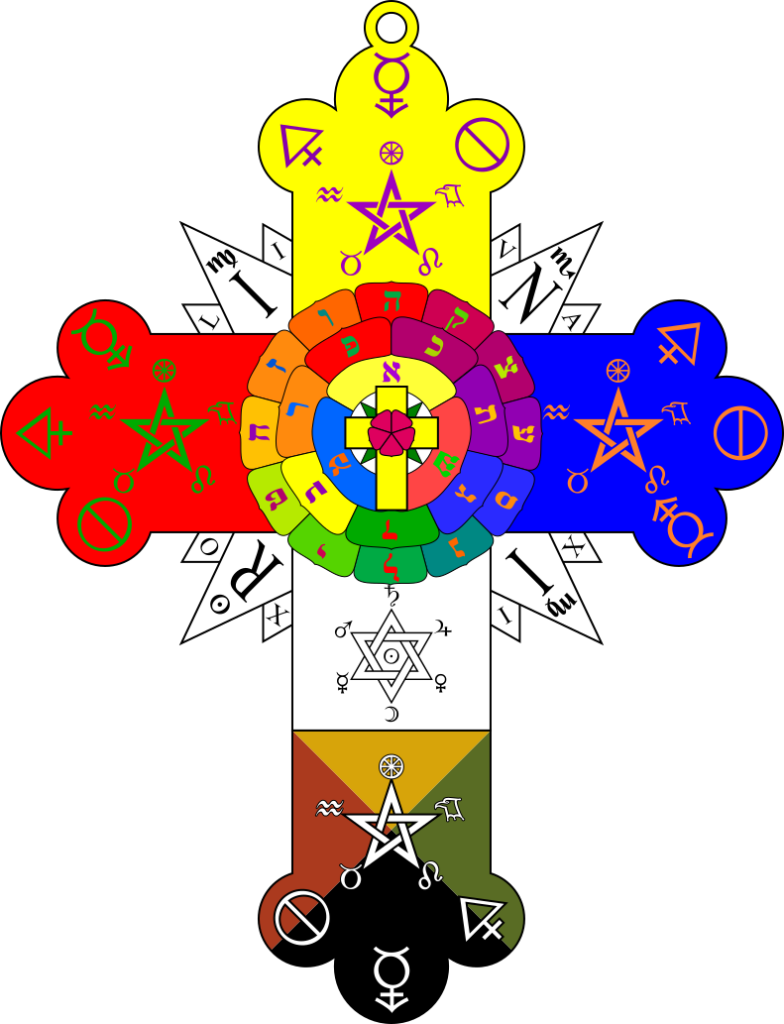
At the center of this system stands the Lotus Wand, the implement of Spirit and zodiacal governance. Unlike the elemental tools, the Lotus Wand does not command a single force; it harmonizes the totality of the Work. It governs the twelve zodiacal currents and represents the authority of integration rather than domination. Through the Lotus Wand, the practitioner aligns elemental mastery with spiritual unity, directing the system as a whole rather than its parts in isolation. In this way, Golden Dawn tools function not as symbolic artifacts, but as living instruments of initiation, ensuring that doctrine is not merely understood, but practiced, embodied, and realized through the Great Work.
Section 8 — Initiation Grades: Why Structure Is Non-Negotiable
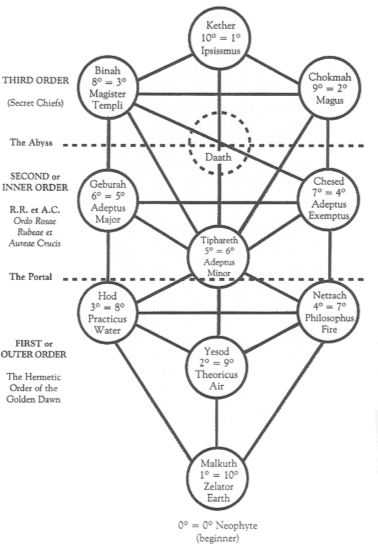
The initiation grades of the Hermetic Order of the Golden Dawn exist for one reason: consciousness develops in stages, and pretending otherwise leads to confusion, imbalance, and self-deception. The Golden Dawn is not egalitarian in structure because reality itself is not flat. Each grade represents a specific threshold of awareness, responsibility, and integration, marking genuine internal change rather than symbolic advancement. Grades are not titles, social status, or rewards; they are measurements of transformation, indicating what forces the aspirant is prepared to engage safely and coherently.
Initiation within the Golden Dawn is not a theatrical ceremony or a psychological placebo. Proper initiation changes how the practitioner perceives reality, how they relate to symbolic forces, and how they bear responsibility for power and knowledge. Each grade corresponds to defined relationships with the elements, planets, and the Tree of Life, ensuring that growth occurs progressively rather than chaotically. This structure prevents premature exposure to forces the aspirant cannot yet integrate, preserving mental stability, ethical clarity, and spiritual coherence. Initiation is not about being “chosen”; it is about being prepared.
Modern discussions of “self-initiation” often collapse these distinctions, treating initiation as an internal feeling rather than a structured transformation. While solitary practice can be valuable, misunderstanding initiation as purely subjective strips it of its safeguards and precision. Without clear stages, benchmarks, and correspondences, aspirants often mistake emotional experiences or symbolic identification for genuine advancement. The Golden Dawn does not reject personal responsibility; it insists upon discipline, verification, and structure. The grade system exists not to restrict access, but to ensure that progress is real, sustainable, and aligned with the Great Work rather than ego or fantasy.
Section 9 — Why Most Modern “Golden Dawn” Is Broken, and What True Revival Requires
The modern landscape of Golden Dawn–inspired practice is defined less by continuity than by fragmentation. Historically, the original Order fractured into competing lineages, personal interpretations, and isolated teachings, many of which preserved fragments of doctrine while losing the systemic coherence that made the Golden Dawn functional. Over time, rituals were separated from their Qabalistic foundations, tools were reproduced without understanding their purpose, and initiatory structure was diluted into symbolic performance. What remains in many modern expressions is not a living system, but disconnected remnants presented without context or integration.
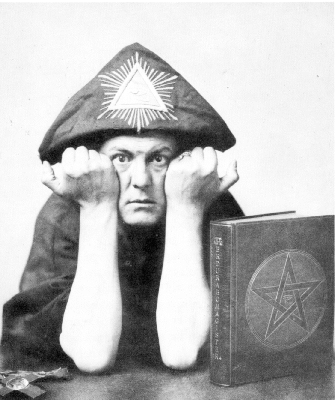
This fragmentation was compounded by the rise of personality cults, where authority shifted away from doctrine and toward individual figures claiming legitimacy through charisma, lineage claims, or personal revelation. In these environments, structure gave way to opinion, and consistency gave way to improvisation. Alongside this shift came an emphasis on aesthetic over doctrine; robes, titles, and symbolism preserved as surface-level markers, while the deeper architectural logic of the system was neglected. The result has been a proliferation of Golden Dawn–branded material that looks authentic but lacks the capacity to reliably initiate, transform, or stabilize the practitioner.
A true revival of the Golden Dawn cannot be achieved through nostalgia, reenactment, or personal branding. It requires a return to structure; the reintegration of the Tree of Life, elemental balance, planetary intelligence, and graded initiation into a coherent whole. It requires functional tools, not as collectibles or props, but as instruments designed to train consciousness and encode doctrine through disciplined use. It requires discipline, both intellectual and practical, to resist dilution and maintain integrity over time. Above all, it requires coherence; a system in which every symbol, ritual, and implement exists in right relationship to every other.
The Golden Dawn does not need reinvention; it needs restoration with precision. A living tradition is not preserved by copying its outer form, but by maintaining the internal logic that allows it to function across generations. Without coherence, the system collapses into opinion. With coherence, it becomes once again what it was always intended to be: a complete initiatory framework capable of guiding serious aspirants through the Great Work with clarity, stability, and depth.
Section 10 — Why This Work Must Continue: The Future of the Golden Dawn
Western esotericism stands at a critical threshold. Never before has occult information been so widely available; and never before has it been so fragmented, diluted, and stripped of structure. The teachings of the Hermetic Order of the Golden Dawn risk being reduced to aesthetics, opinion, or entertainment, disconnected from the disciplined systems that once gave them transformative power. When doctrine becomes optional and structure is abandoned, the Work collapses into personal fantasy. The continuation of the Golden Dawn is therefore not a matter of preservation for its own sake, but of restoring a functional initiatory system capable of transmitting real knowledge across generations.
A living tradition cannot survive on text alone. Doctrine without tools remains abstract; tools without doctrine become meaningless objects. The Golden Dawn understood this clearly: symbols must be embodied, forces must be engaged through disciplined practice, and understanding must be trained through repeated action. When tools and teachings operate together, consciousness is reshaped gradually, lawfully, and sustainably. This integration is what allows the system to produce initiation rather than imitation. To separate theory from practice is to sever the nervous system of the Work itself.
This revival is not intended for mass appeal or casual curiosity. The Golden Dawn has never been a path for spectators. It is a demanding system that requires clarity, responsibility, and commitment. This work continues for those who seek coherence rather than comfort, mastery rather than novelty, and truth rather than validation. The future of the Golden Dawn belongs to serious aspirants; those willing to engage the system fully, respect its structure, and participate consciously in the Great Work. In restoring doctrine, tools, and discipline as a unified whole, the Golden Dawn may once again fulfill its purpose: not as a relic of the past, but as a living path of initiation for the present and the future.
FAQ 1: What is the Hermetic Order of the Golden Dawn?
The Hermetic Order of the Golden Dawn is a Western esoteric initiatory system developed in the late 19th century that integrates Qabalah, ceremonial magic, astrology, alchemy, and symbolism into a unified structure for spiritual development. Rather than functioning as a belief system or philosophy alone, it operates as a complete framework for initiation, discipline, and conscious transformation through the Great Work.
FAQ 2: Is the Golden Dawn a religion or a magical club?
No. The Golden Dawn is neither a religion nor a social organization. It does not require worship, belief, or adherence to dogma. Instead, it functions as a structured initiatory system designed to train consciousness, balance elemental forces, and align the practitioner with universal law through disciplined study and practice.
FAQ 3: What is the Great Work in the Golden Dawn tradition?
In the Golden Dawn, the Great Work refers to the progressive integration and refinement of the self through structured initiation. It involves balancing the elements, understanding planetary and zodiacal forces, and ascending the Tree of Life in a lawful and coherent way. The goal is not escape from the world, but conscious alignment with it through responsibility, clarity, and ethical action.
FAQ 4: Why is the Tree of Life central to Golden Dawn teachings?
The Tree of Life functions as the structural framework of the Golden Dawn system. It organizes all symbolic, elemental, planetary, and initiatory material into a coherent model of consciousness and manifestation. Without the Tree of Life, Golden Dawn practices lose their context, balance, and initiatory safety.
FAQ 5: Is the Golden Dawn still relevant today?
Yes. The Golden Dawn remains relevant because it provides a complete and internally coherent system for spiritual development at a time when modern occultism is often fragmented and unstructured. Its emphasis on discipline, balance, tools, and initiation offers a stable path for serious practitioners seeking depth rather than novelty.