Tarot Studies
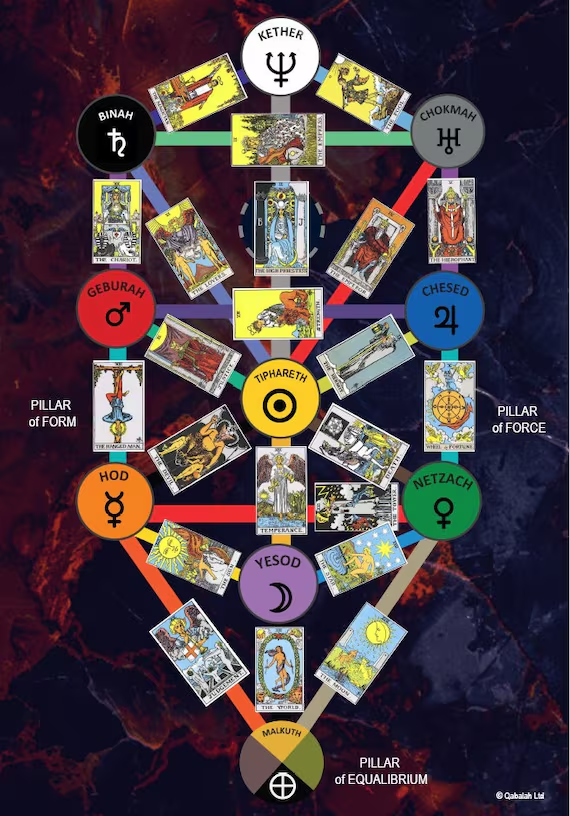
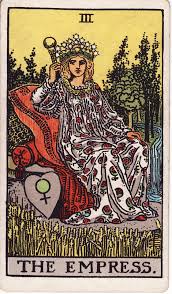
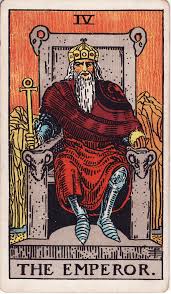
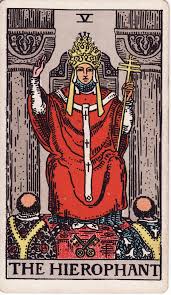
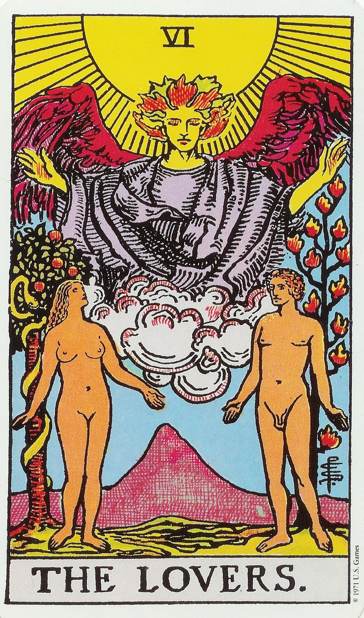
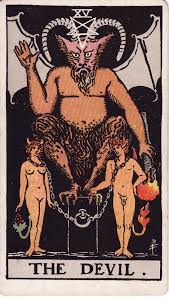
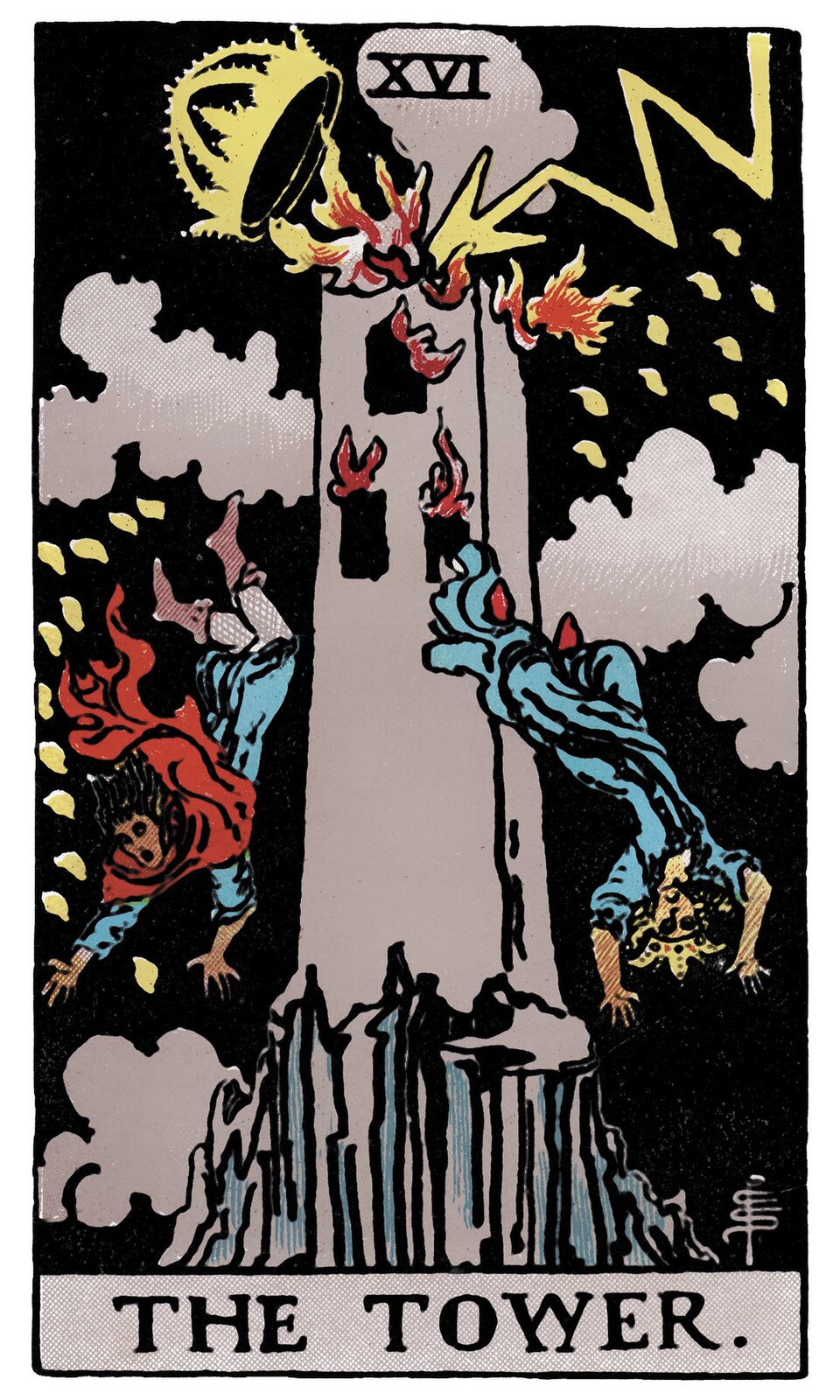
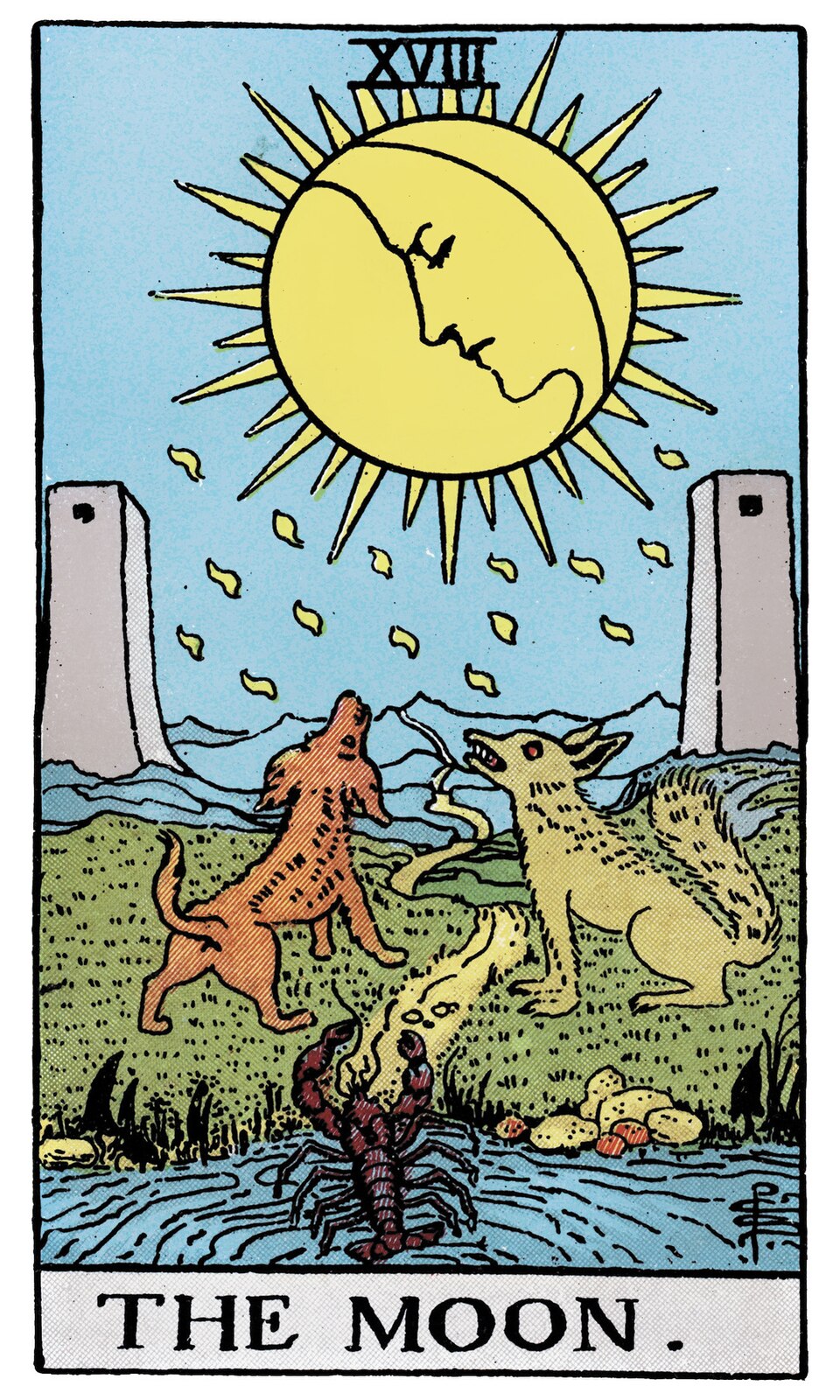
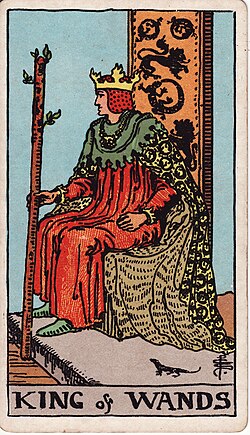
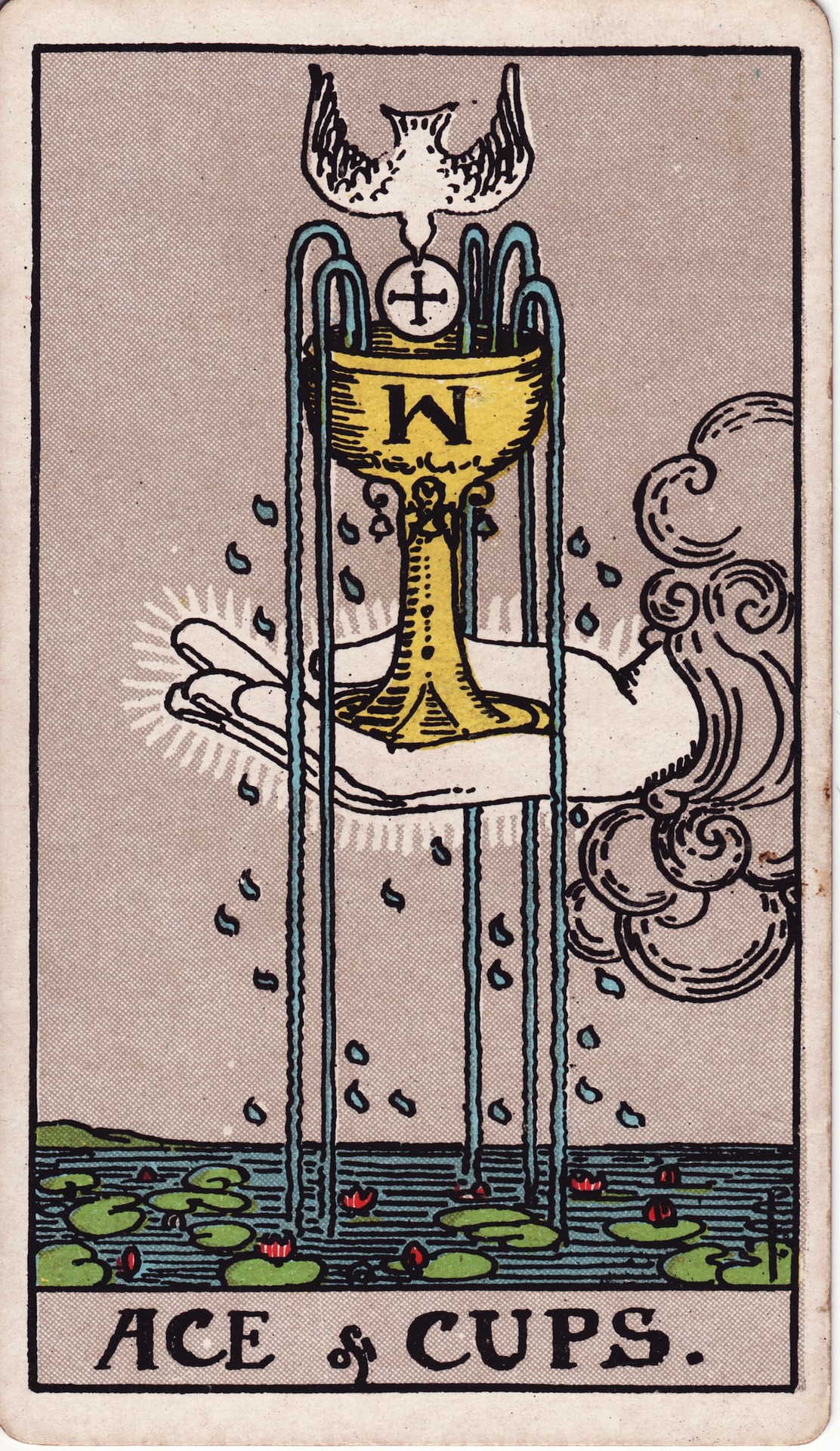
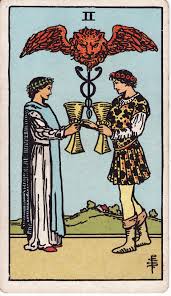
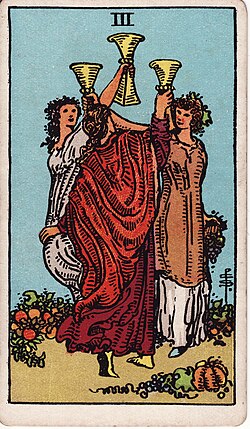
The Tarot is one of the most complete symbolic systems within Western esotericism, serving simultaneously as a tool for divination, meditation, and structured self-development. In the Golden Dawn tradition, each card is understood not as an isolated image, but as part of a precise framework connecting Qabalah, astrology, elemental theory, and the stages of the Great Work.
This blog is dedicated to a comprehensive, card-by-card exploration of the Tarot. Each entry provides a detailed examination of symbolism, correspondences, and practical application, offering readers both theoretical insight and methods for direct experiential work. Over time, this section will form a complete reference for understanding the Tarot as a living system rather than a collection of disconnected meanings.
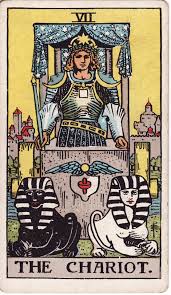
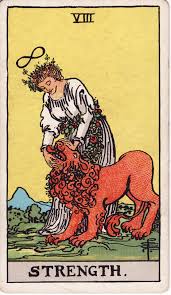
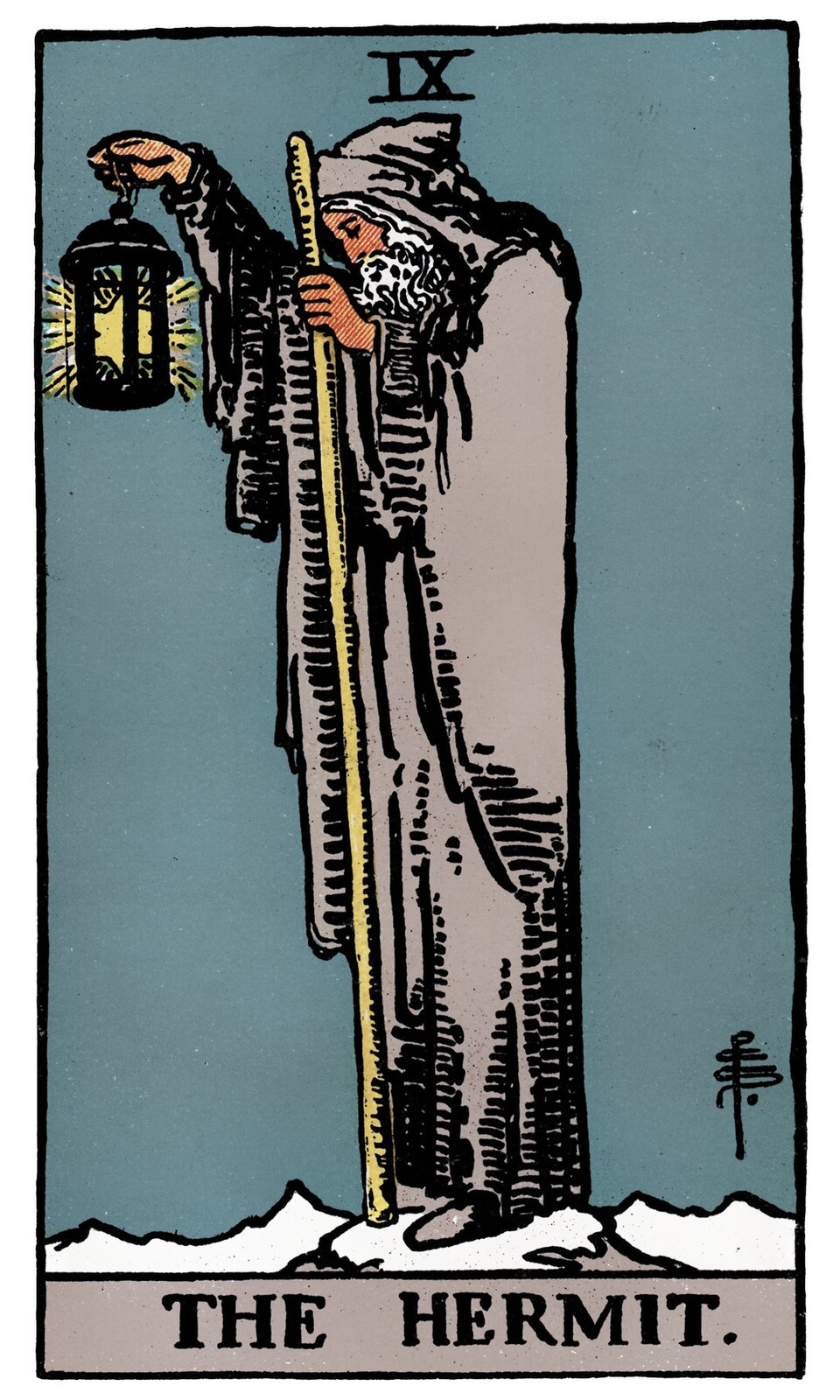
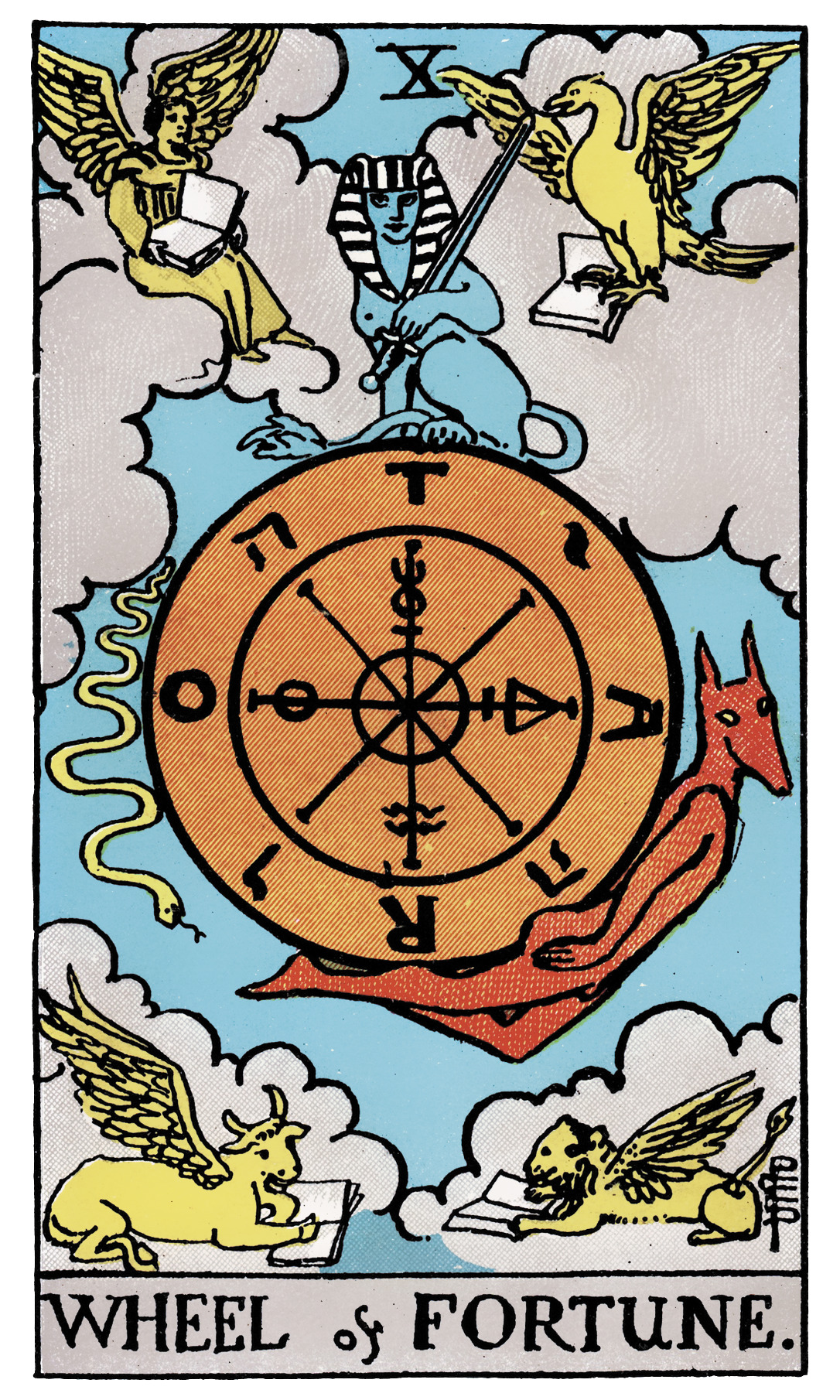
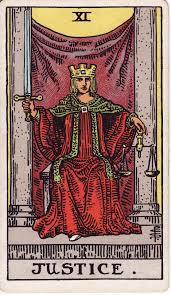
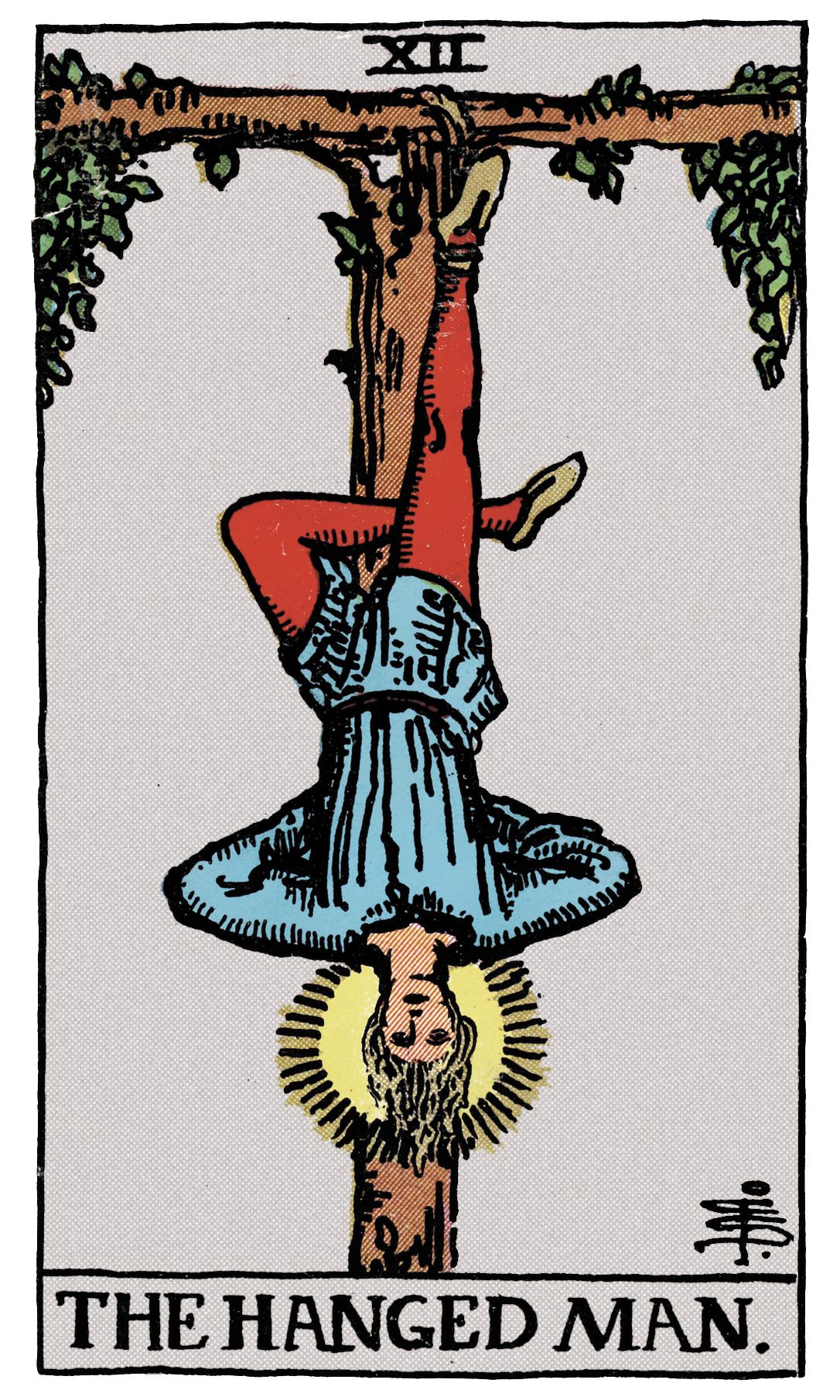
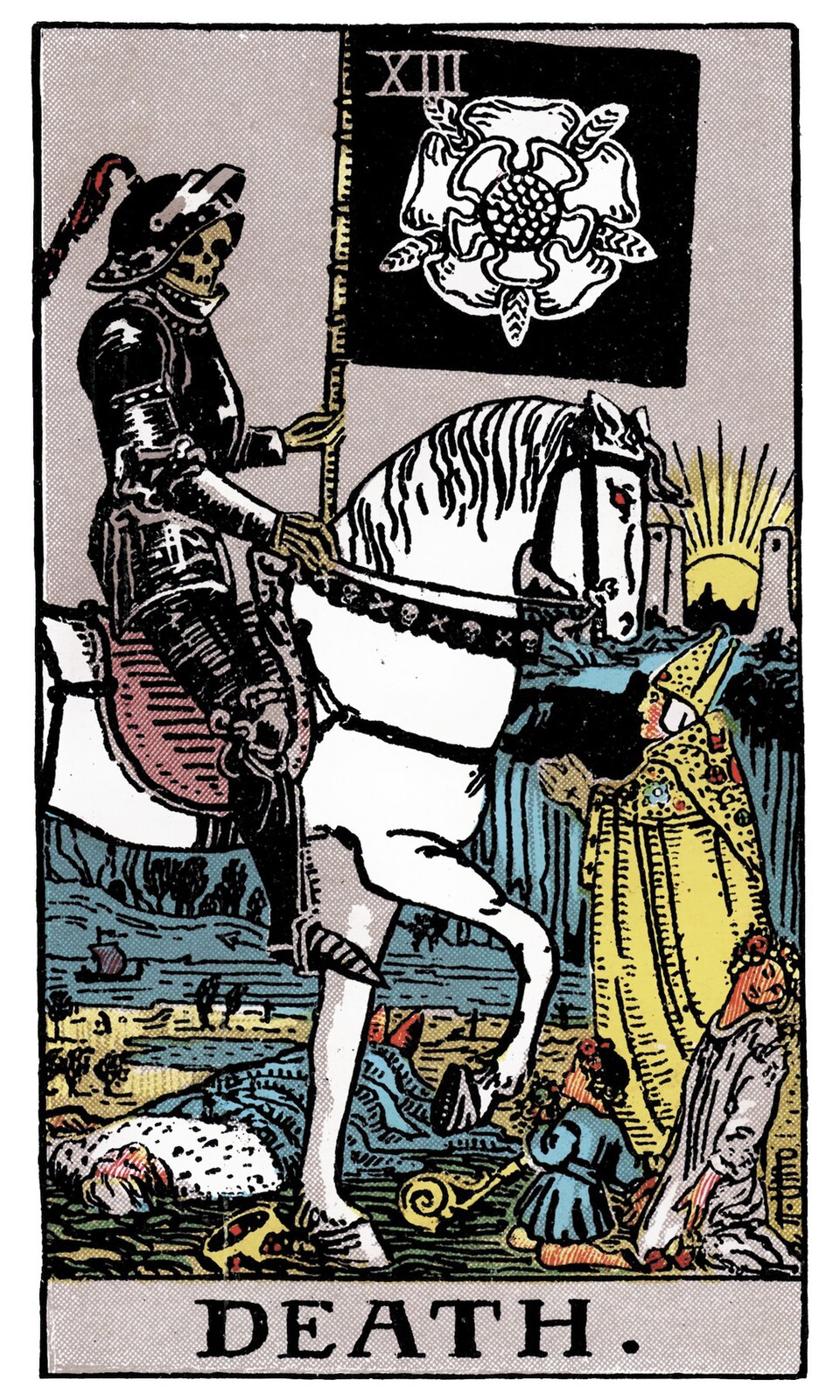
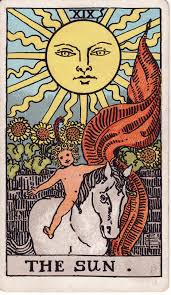
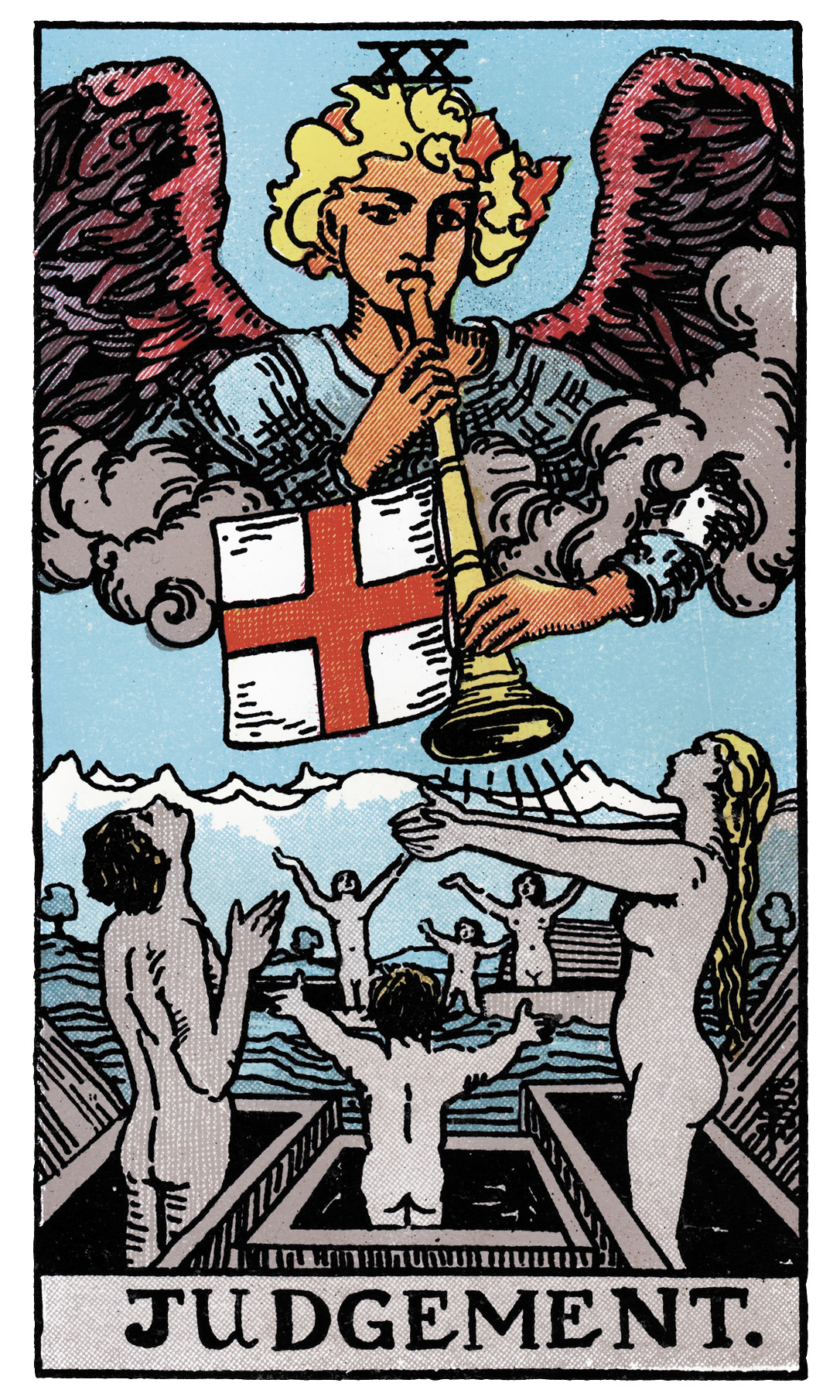
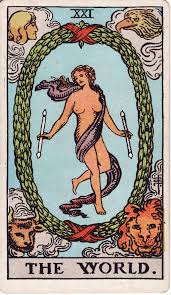
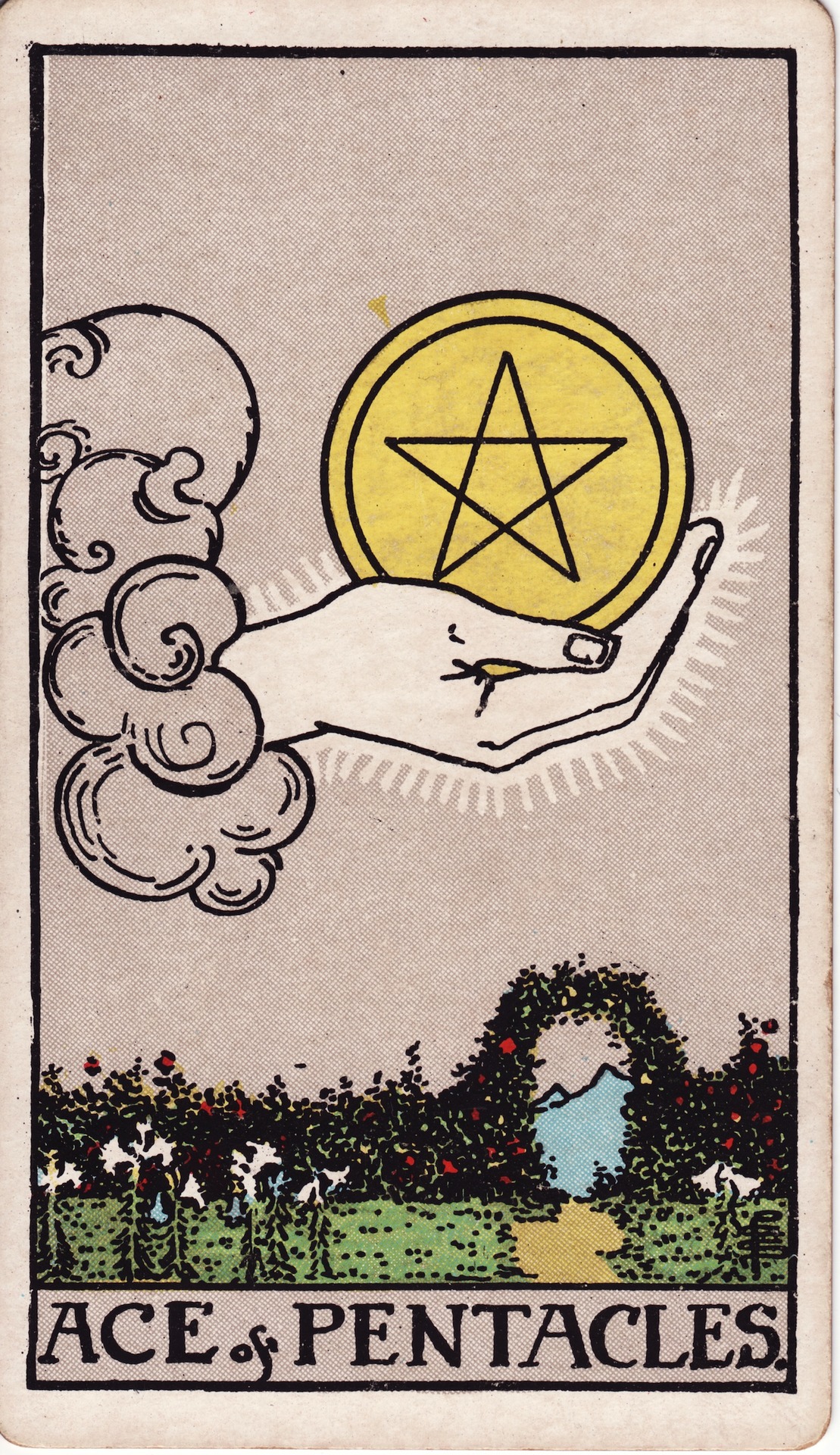
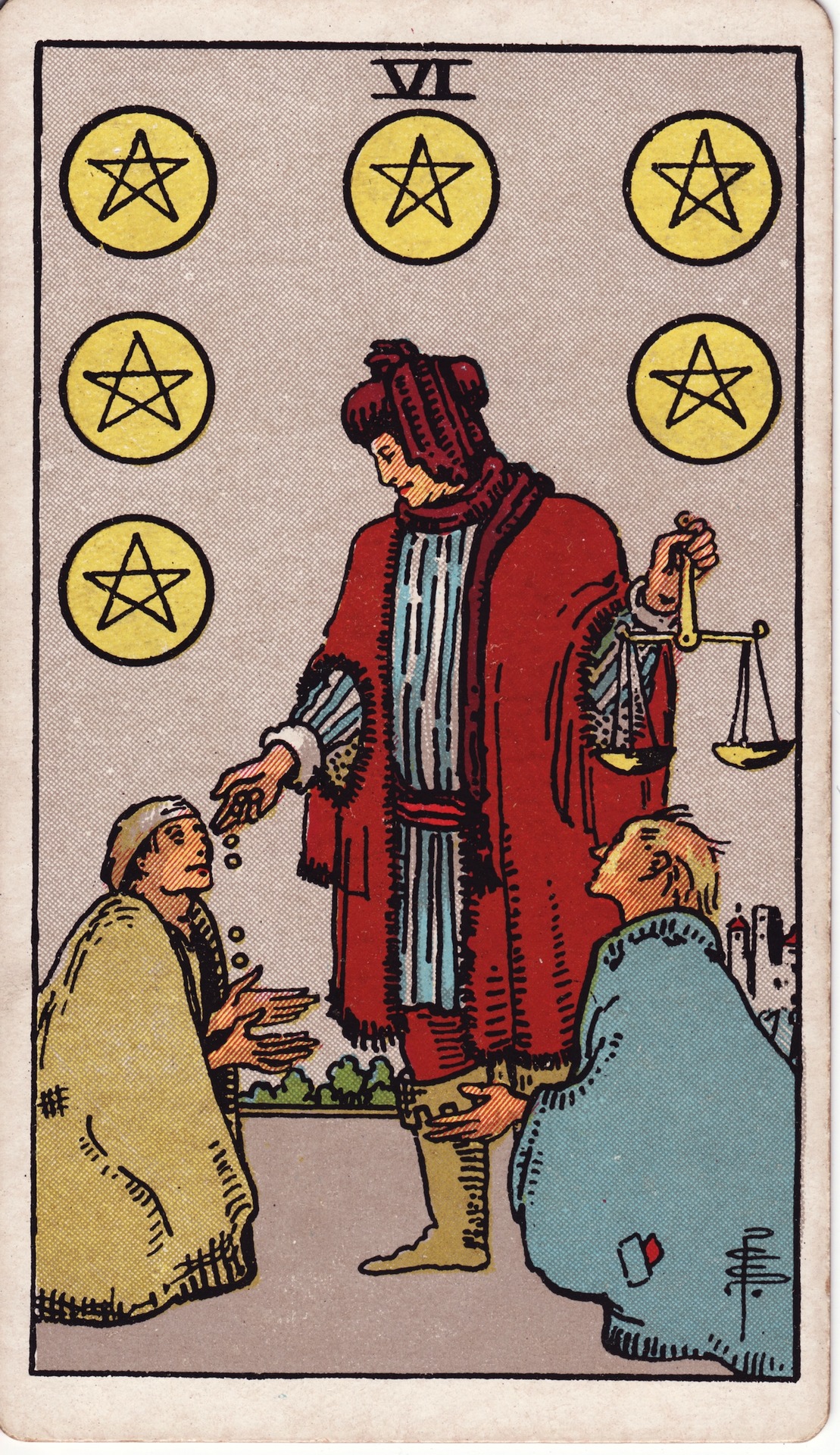
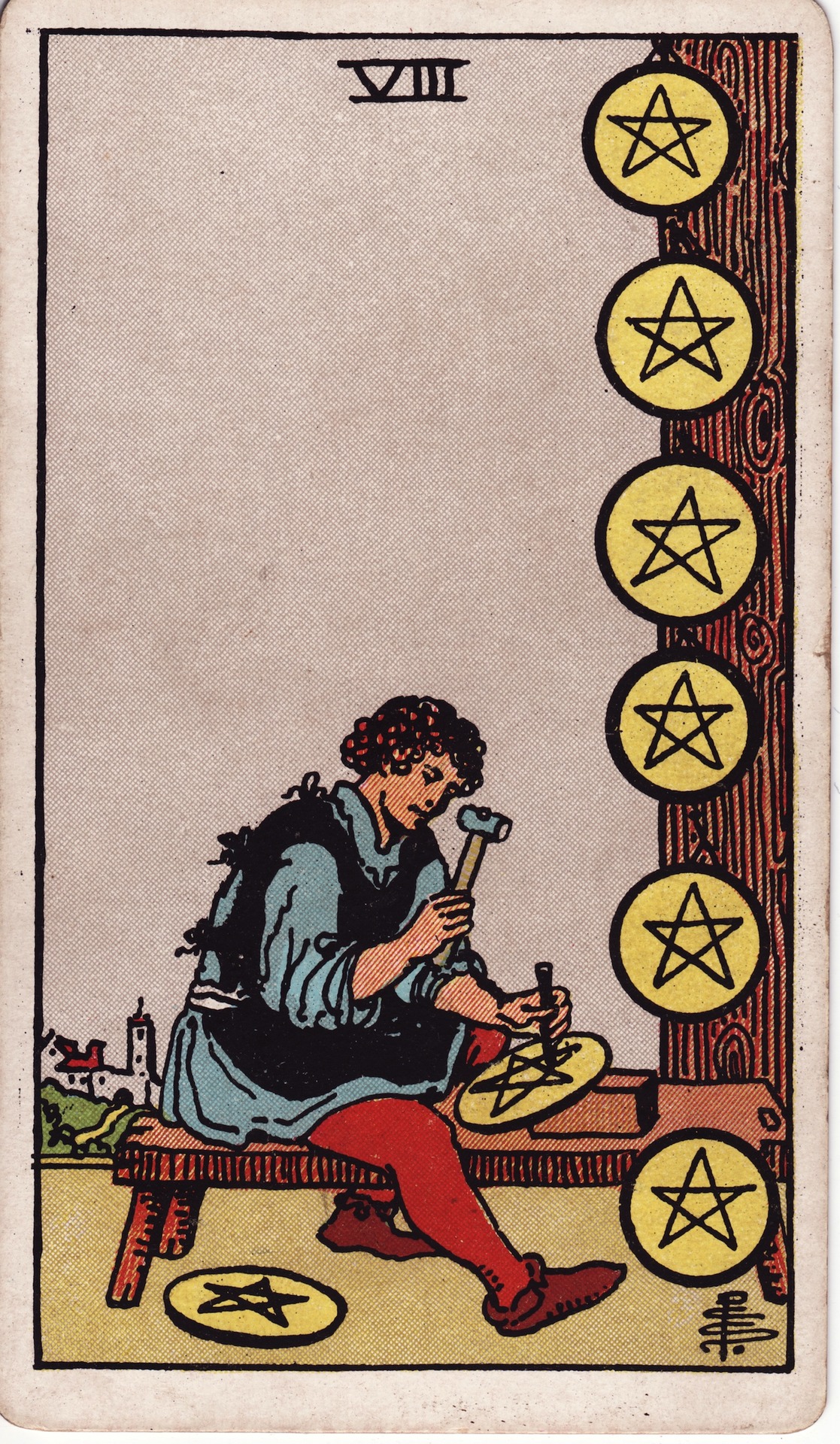
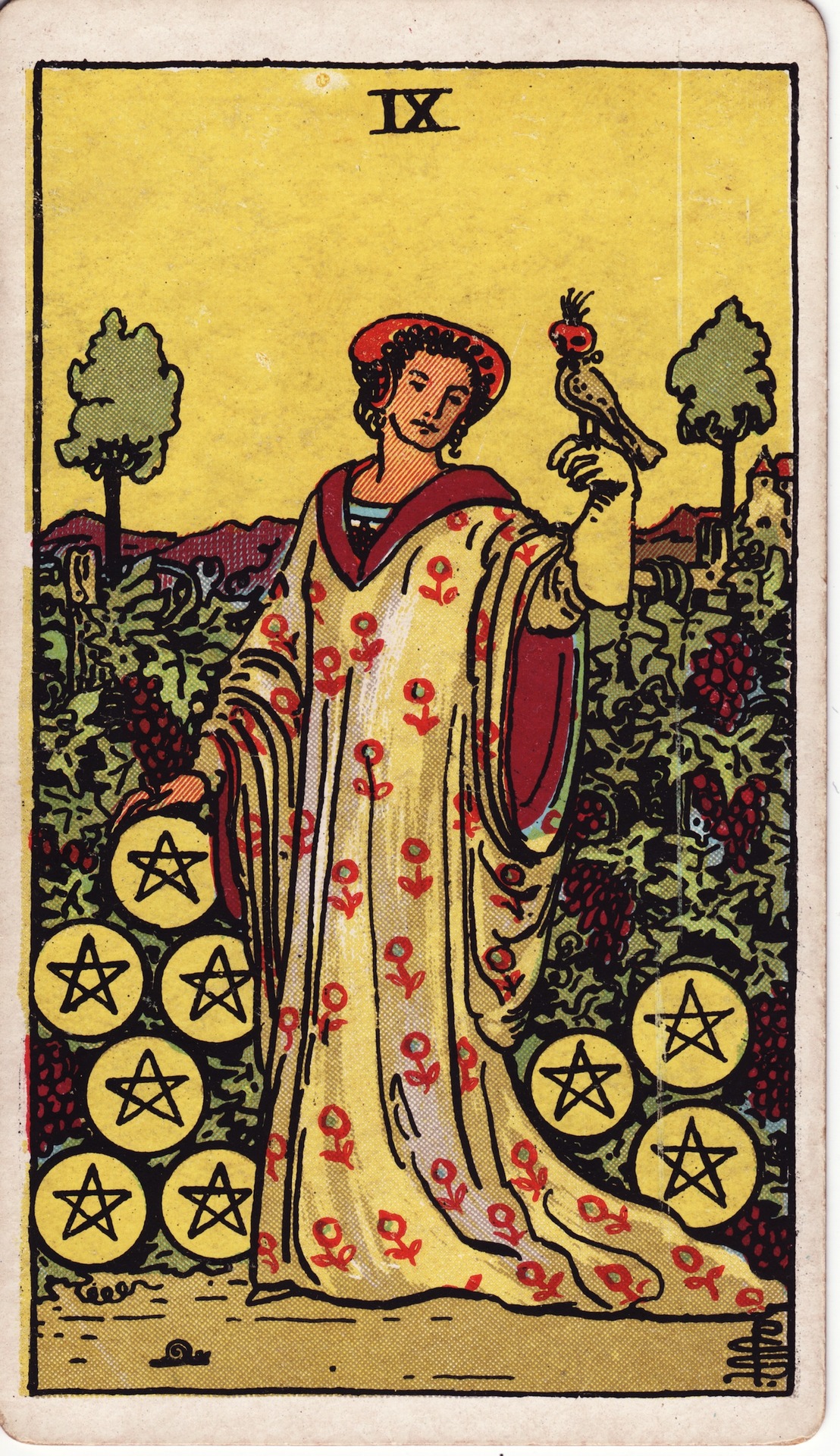
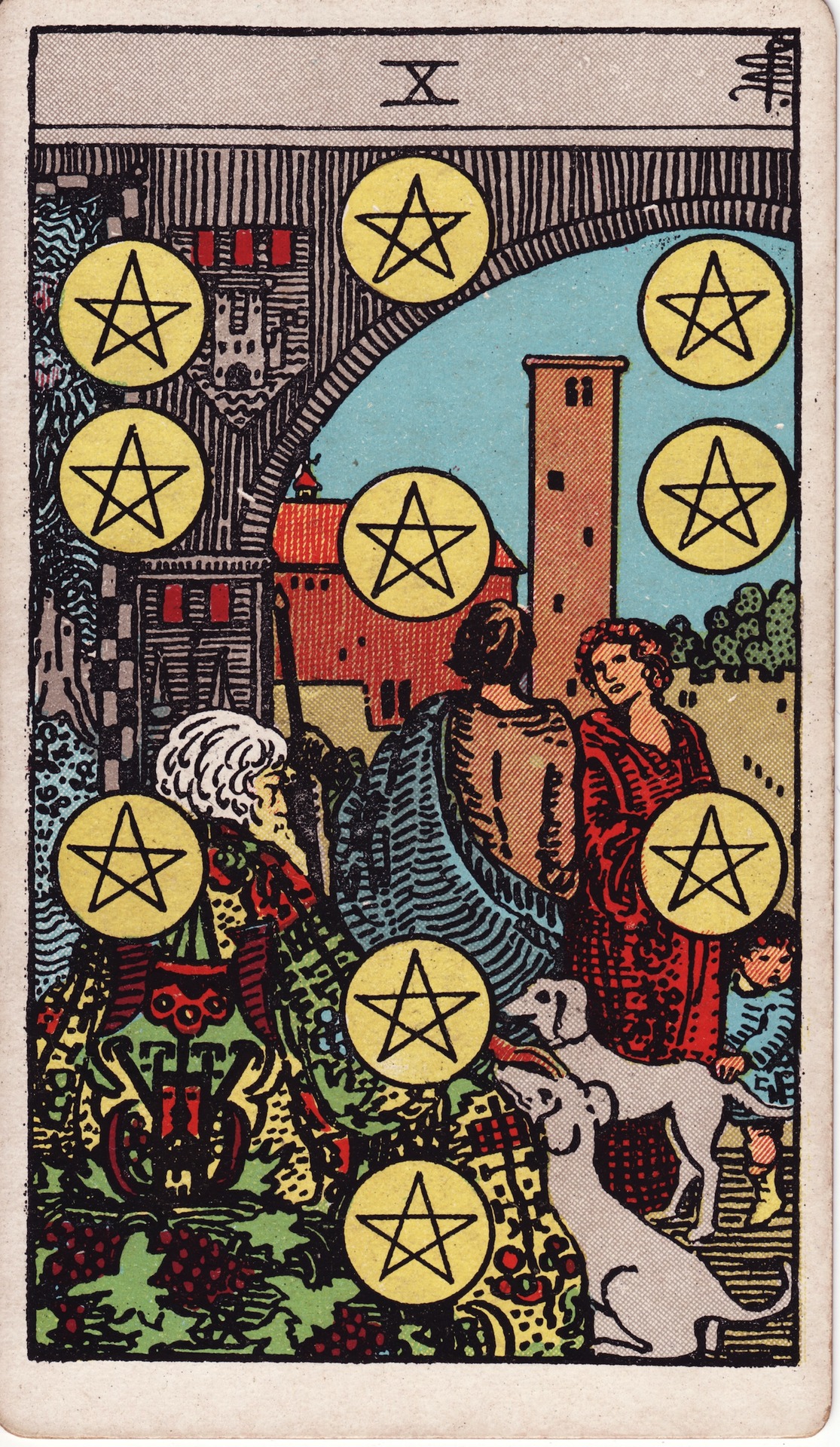
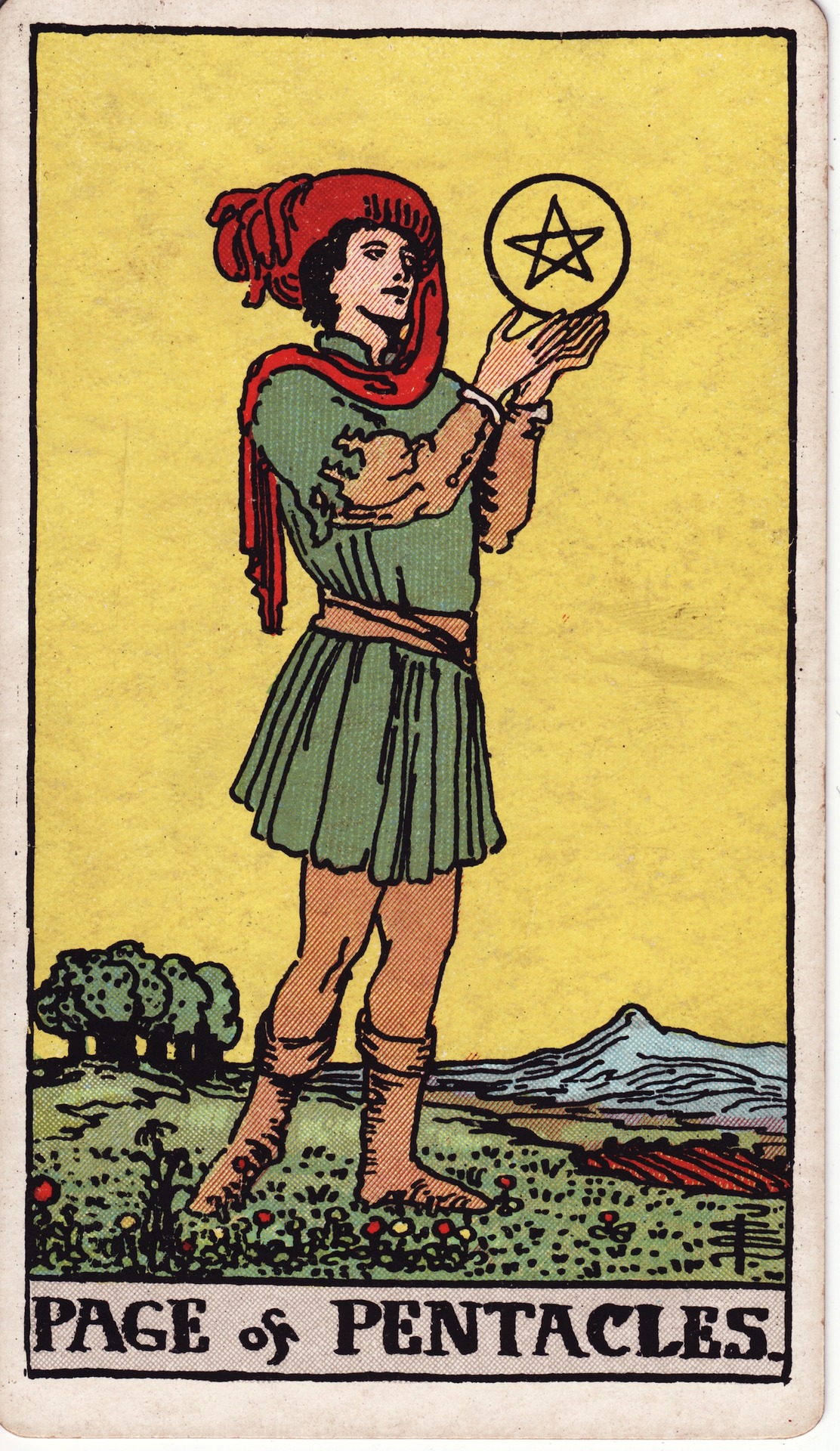
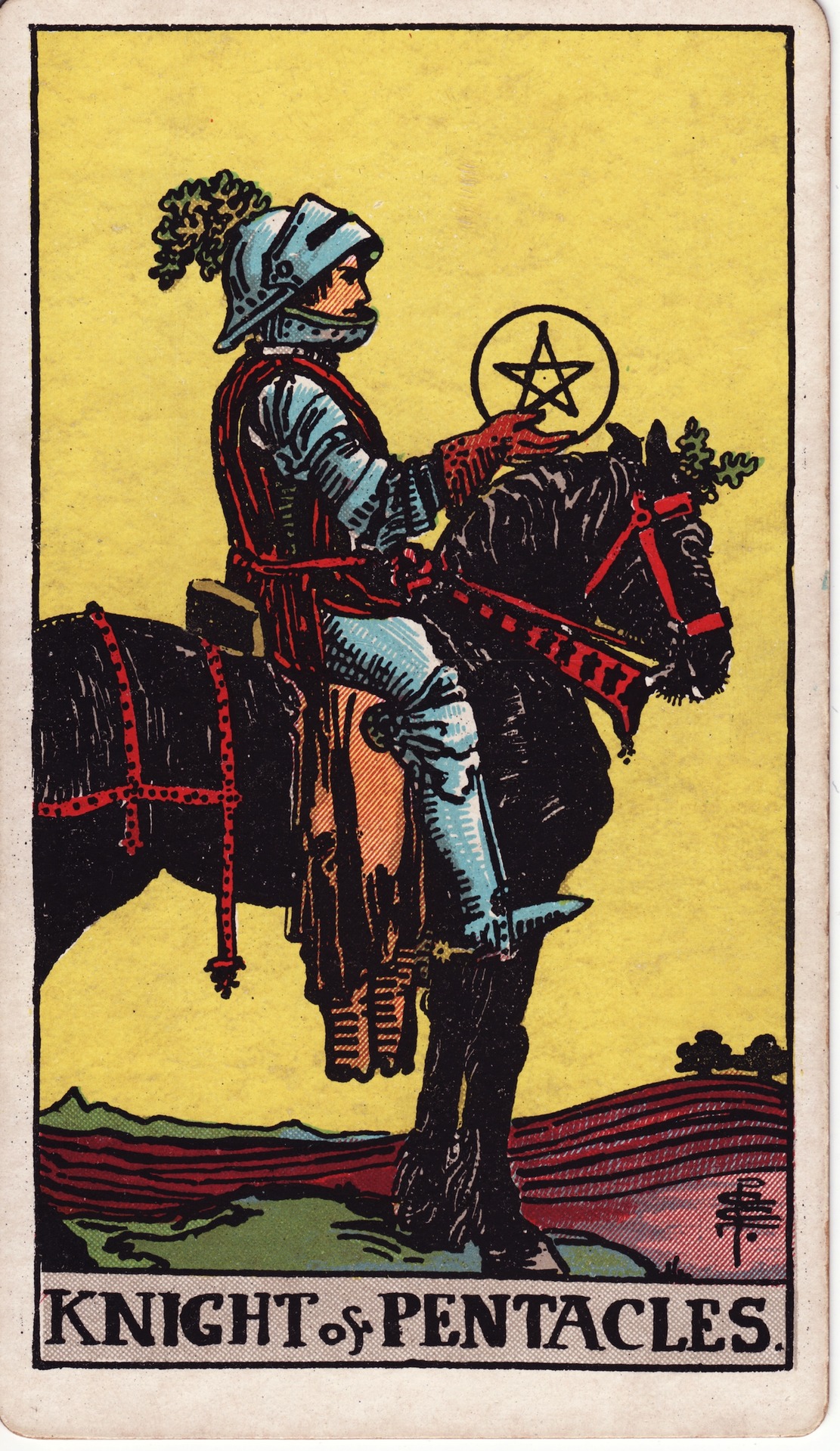
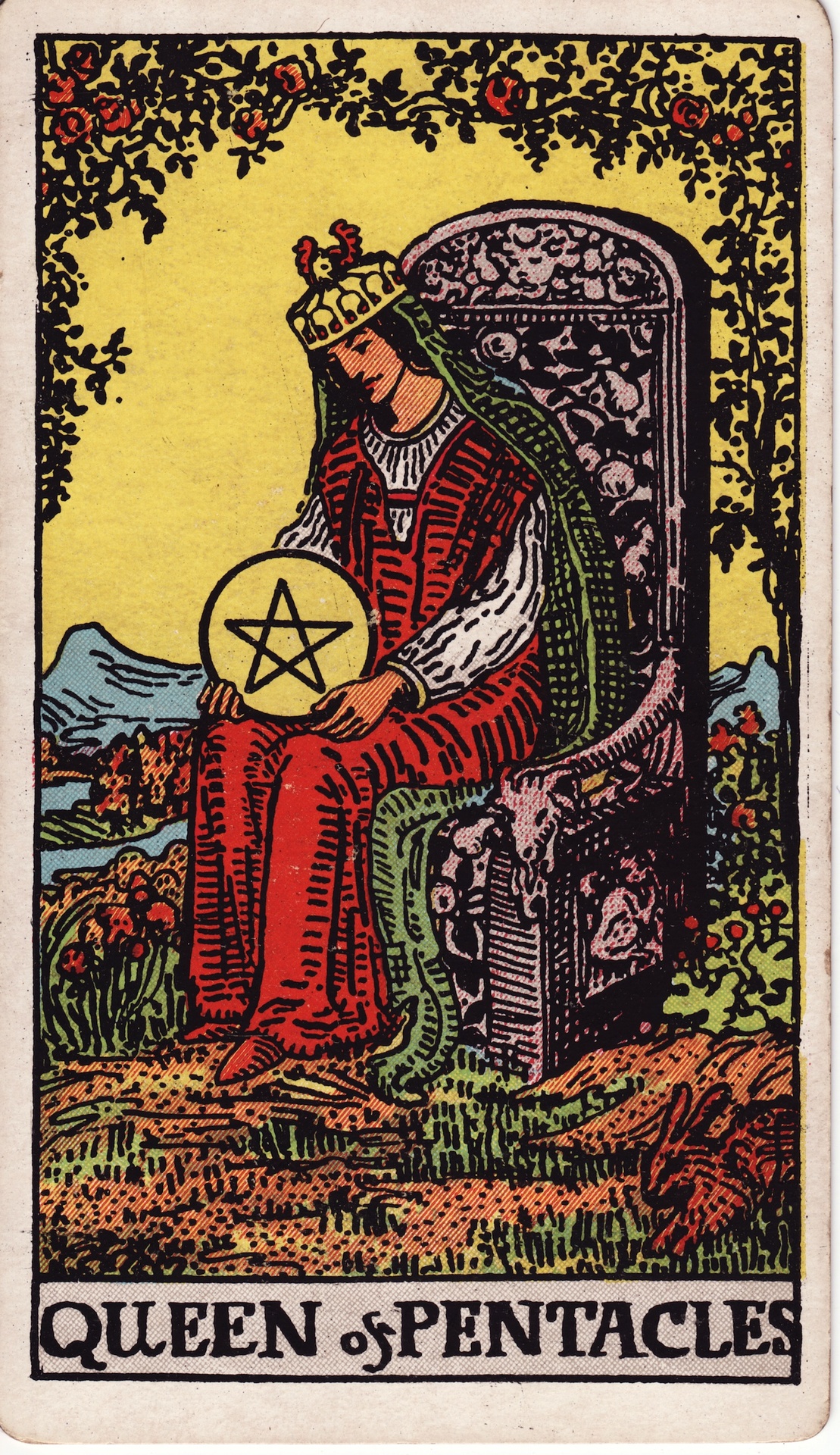
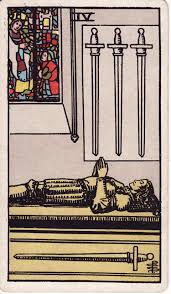
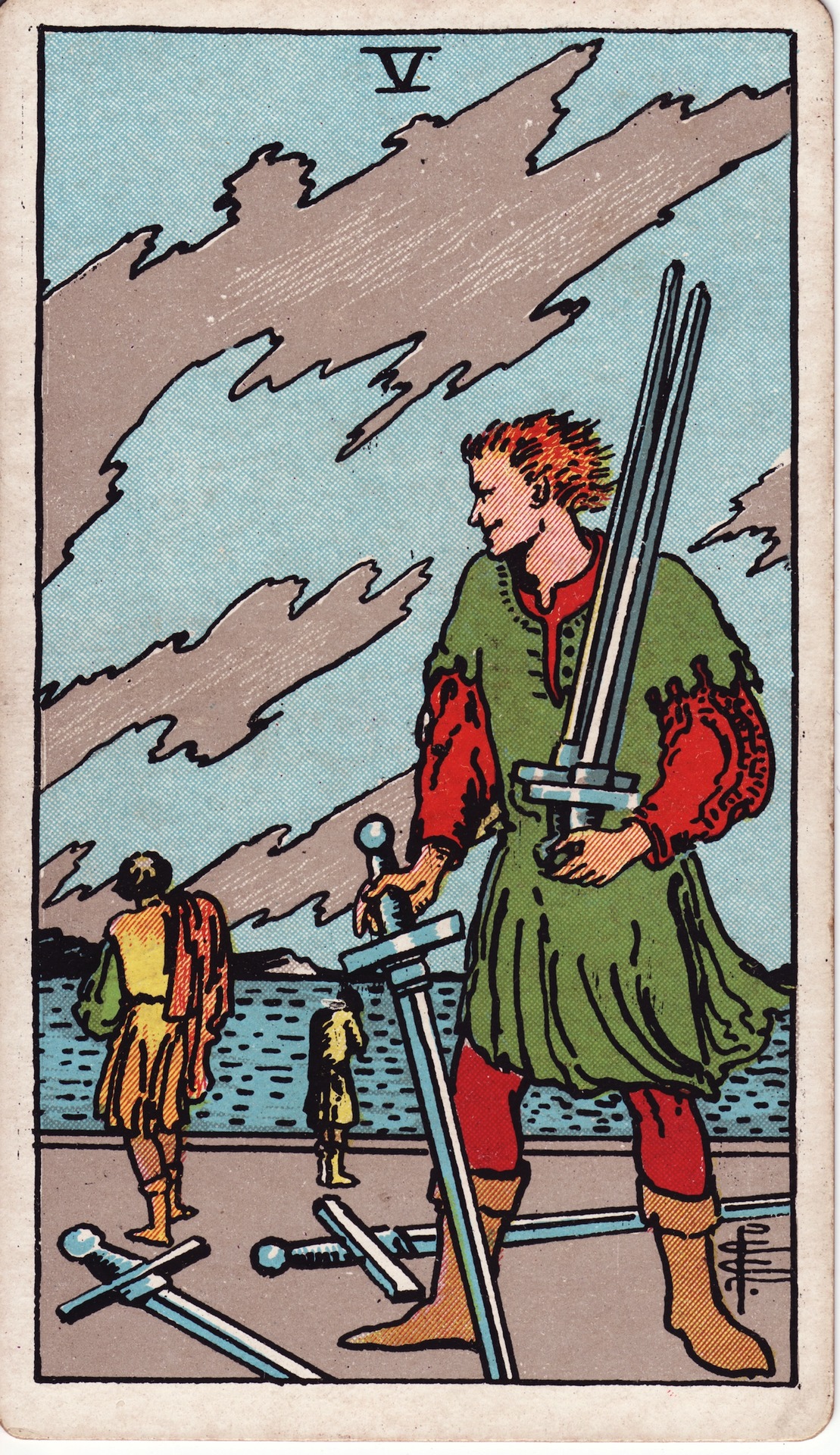
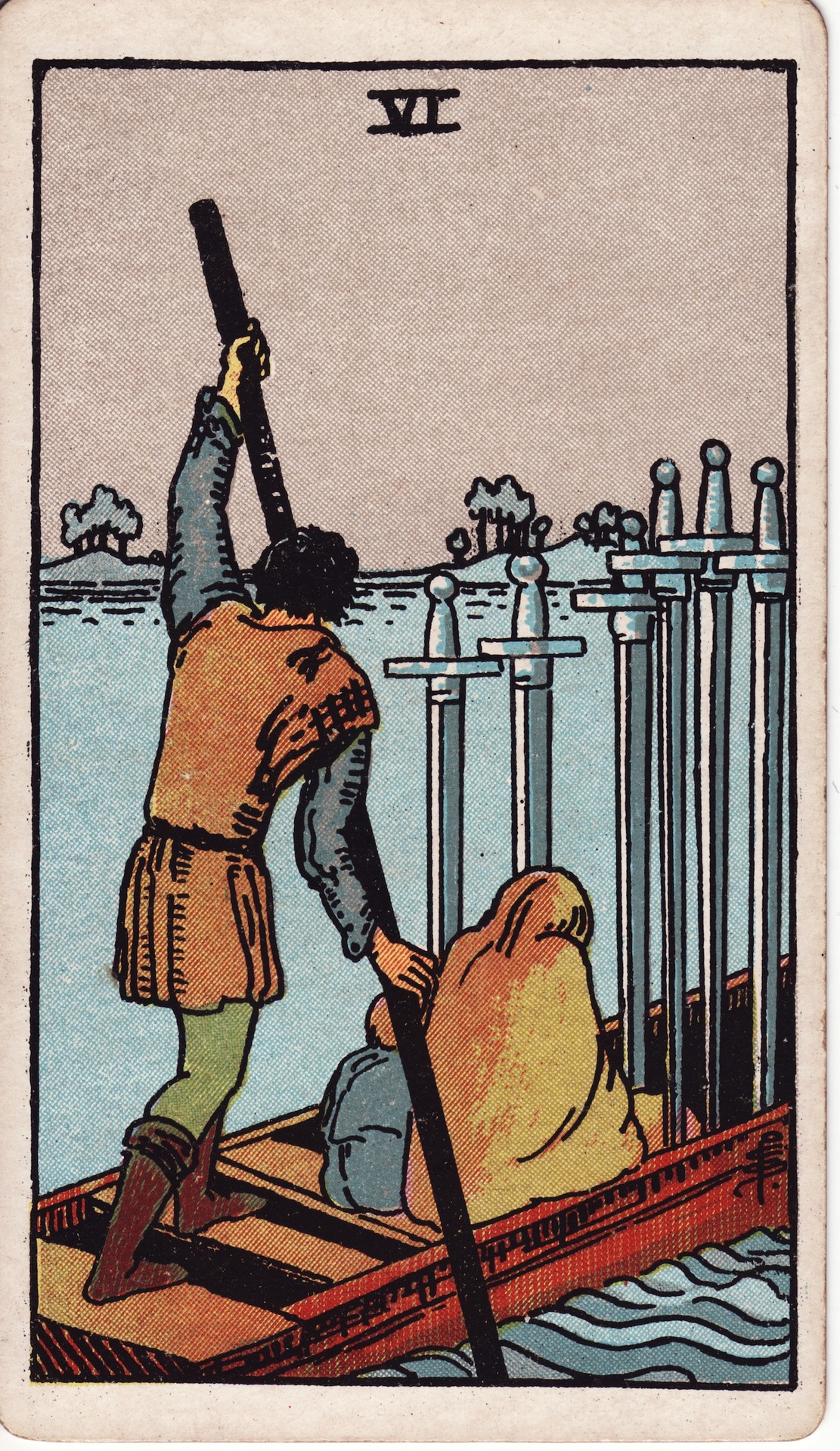
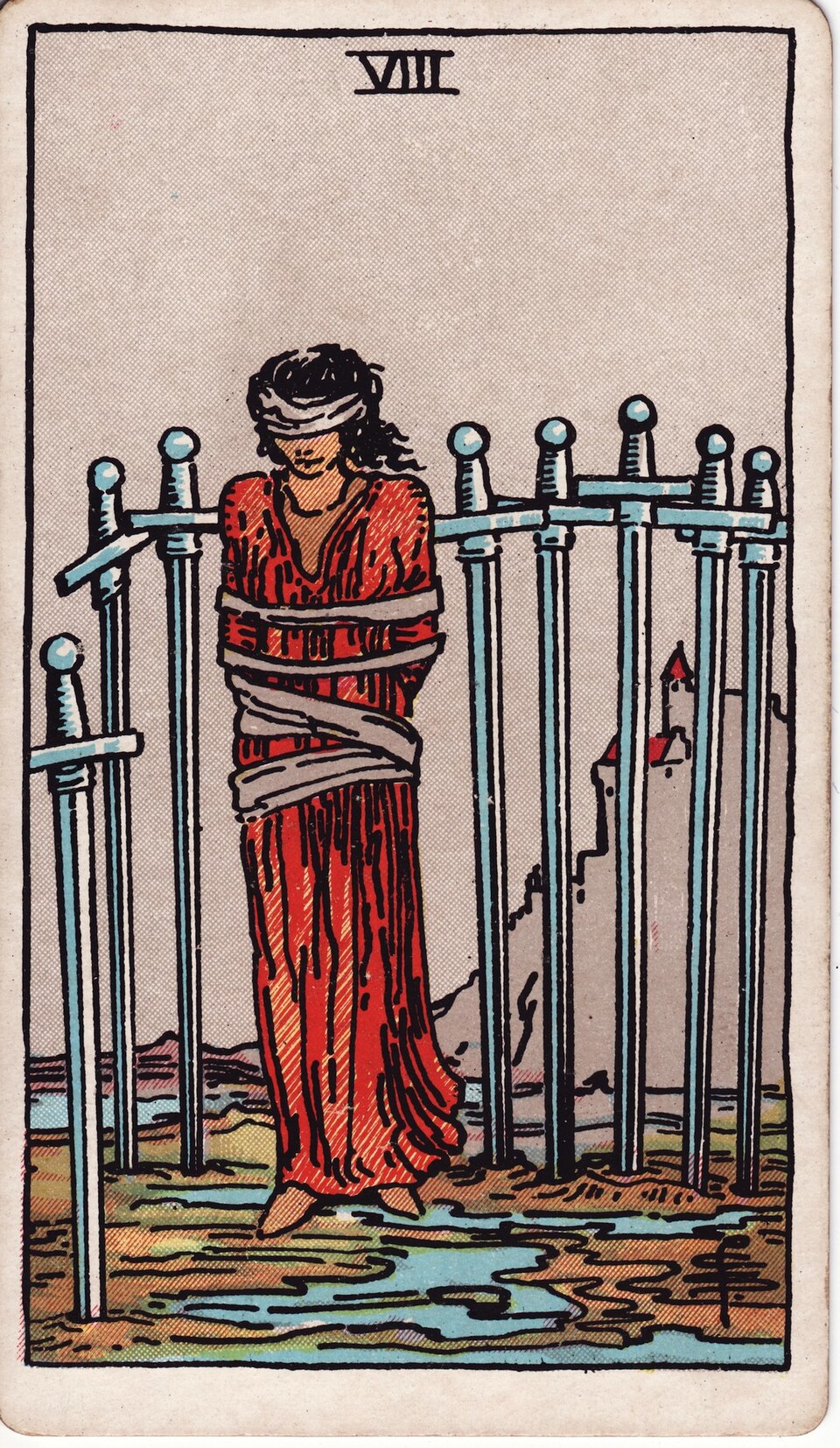
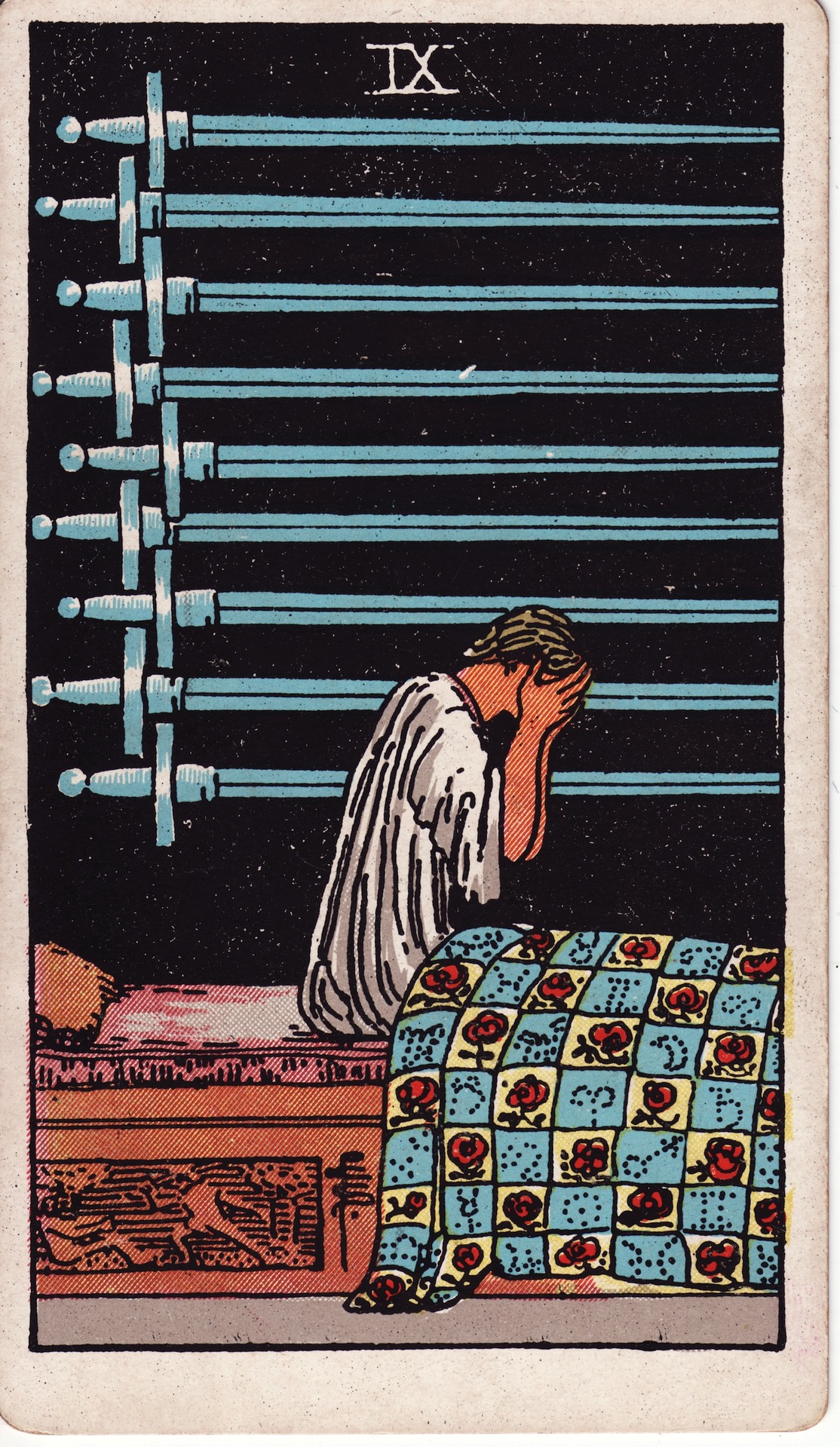
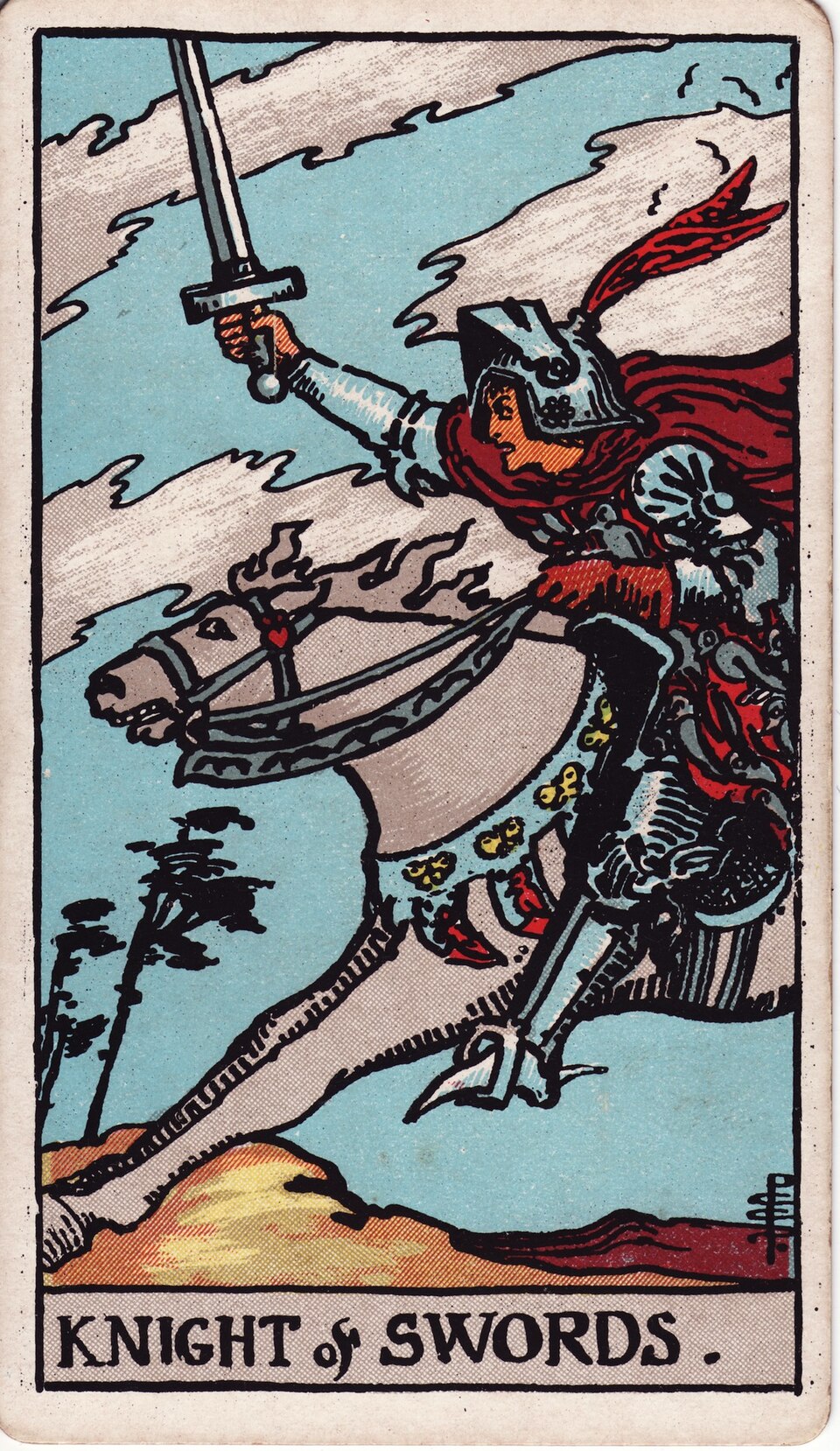
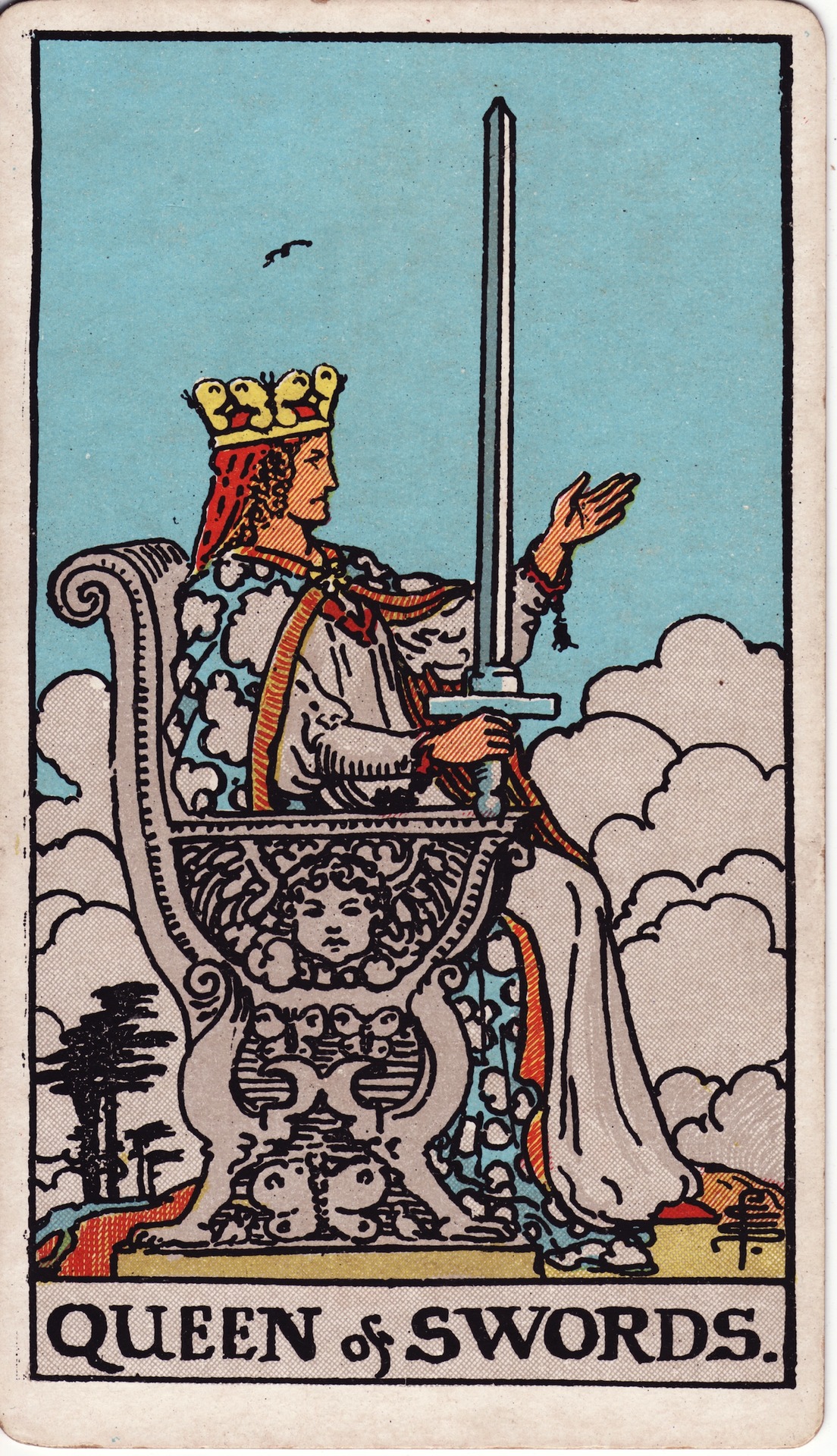
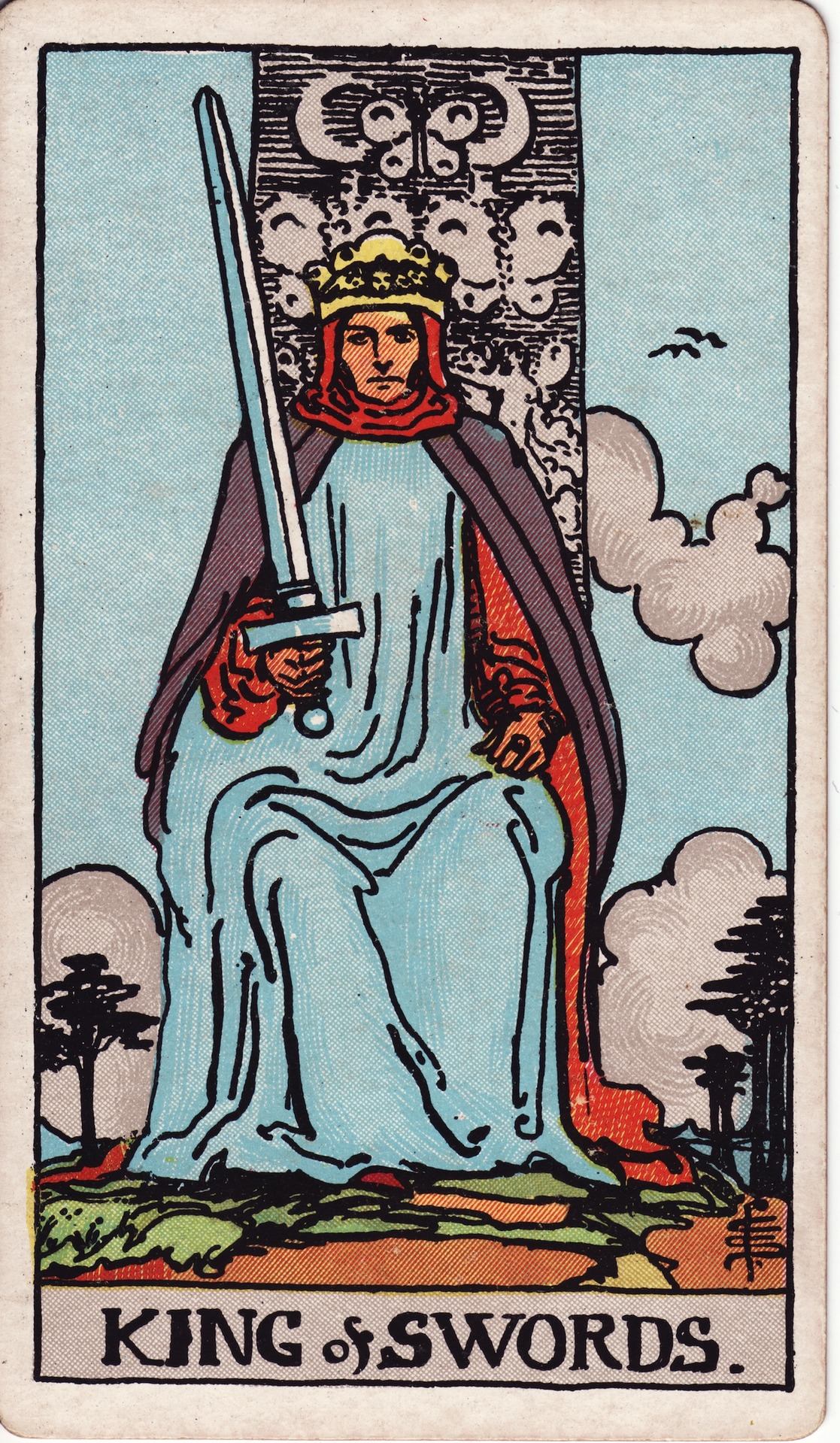
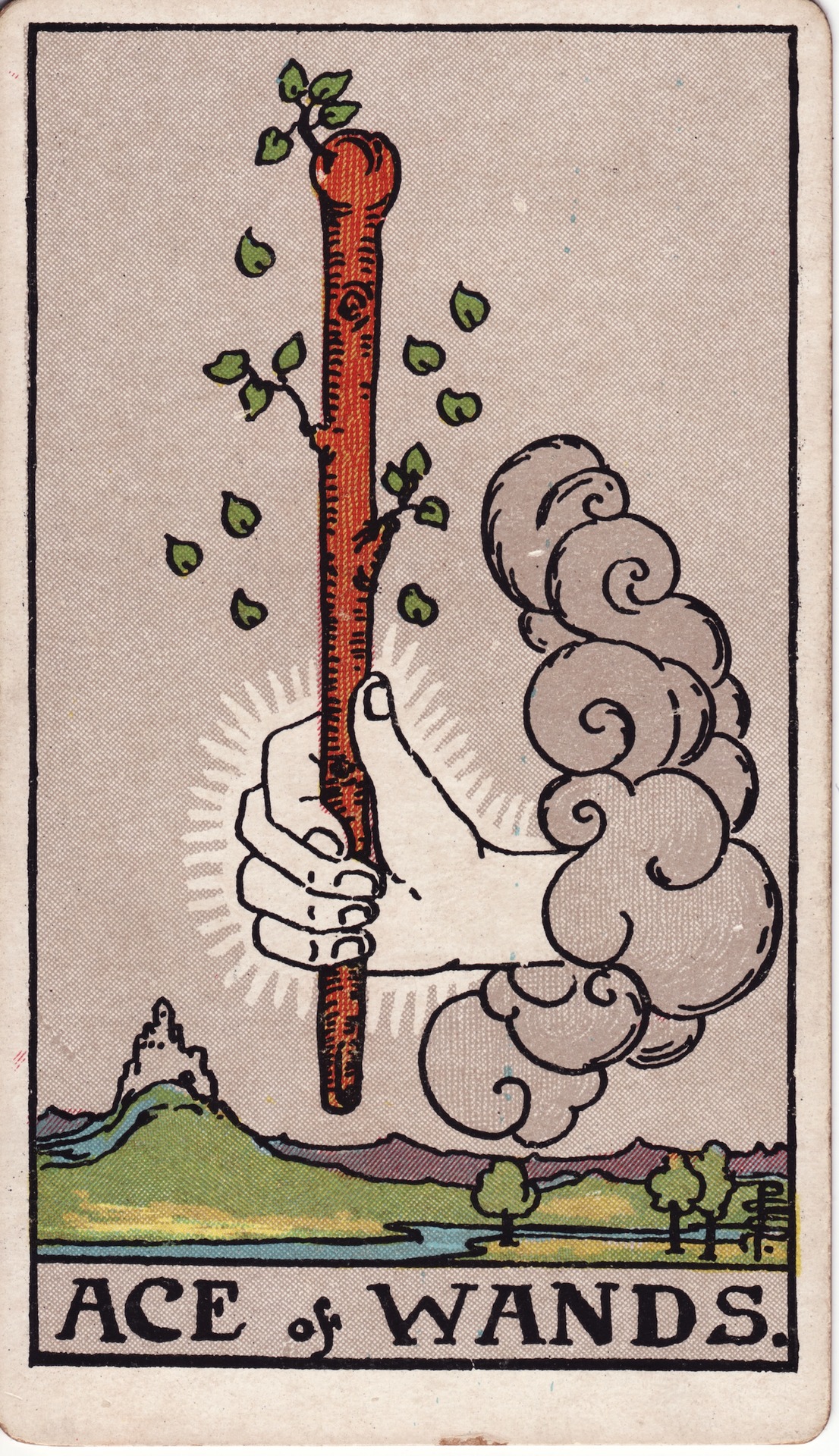
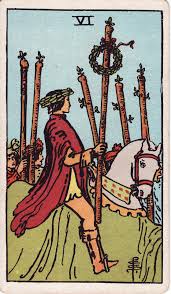
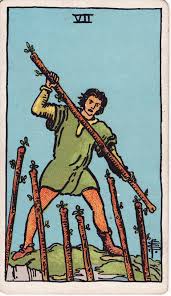
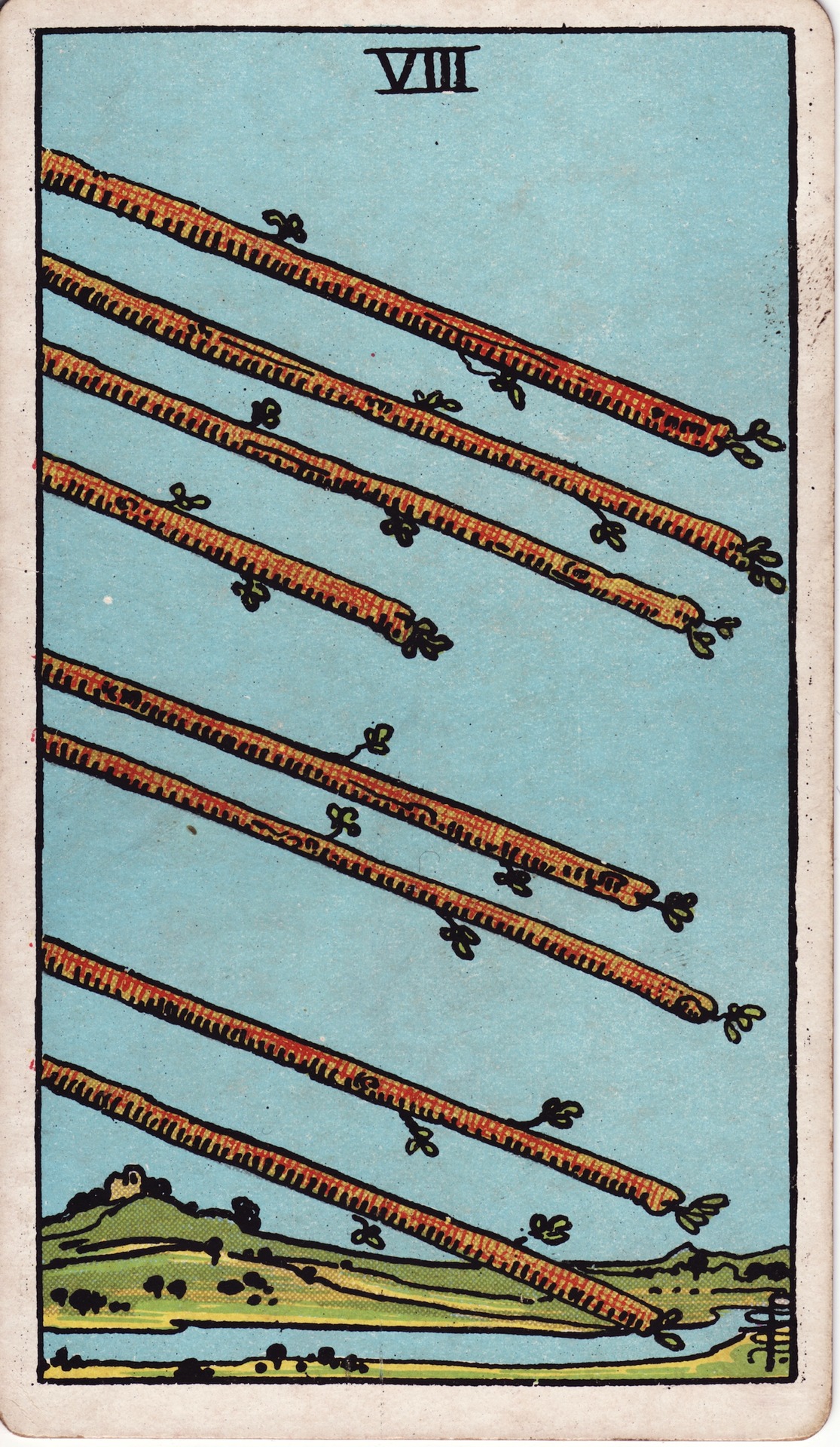
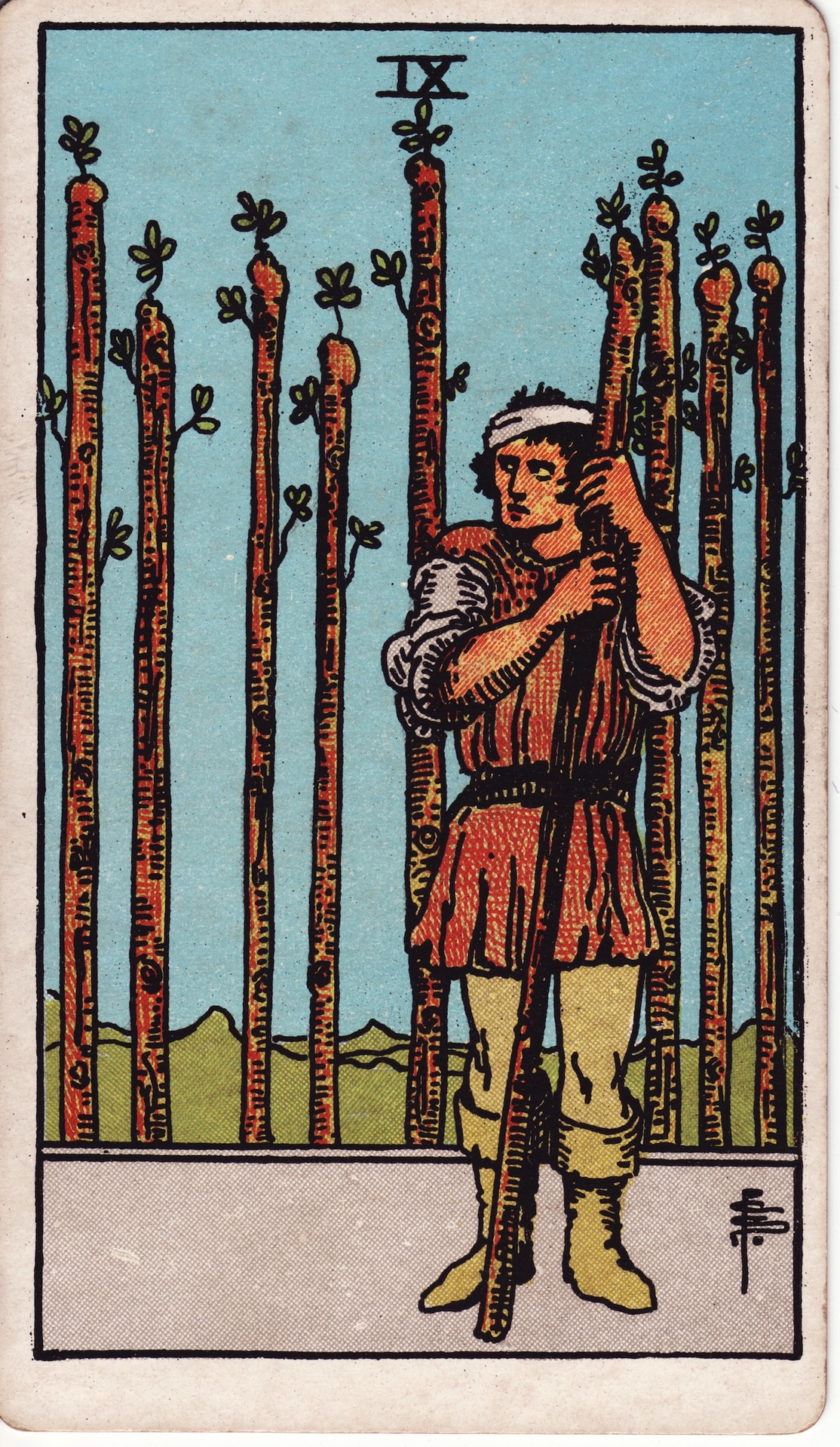
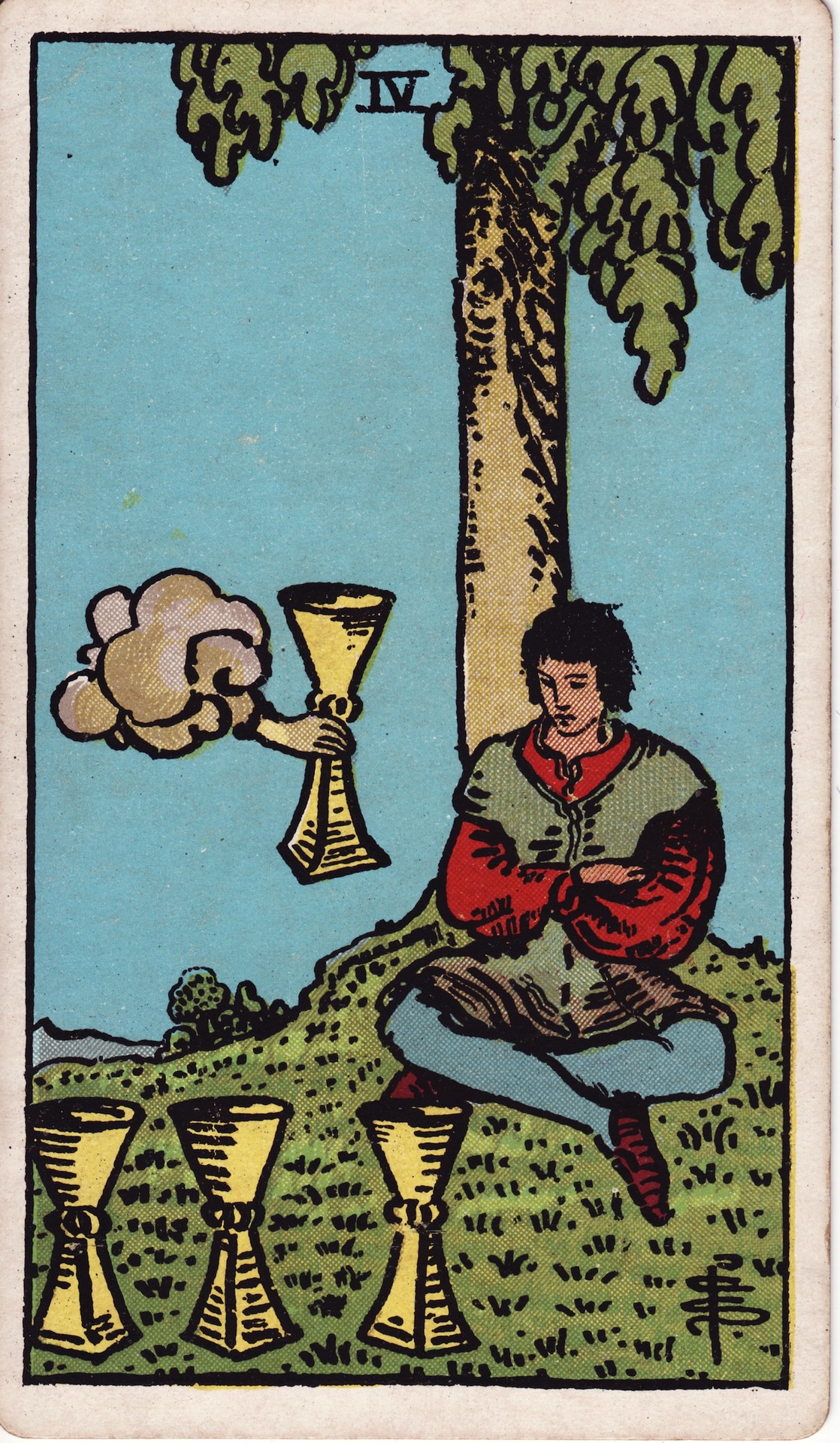
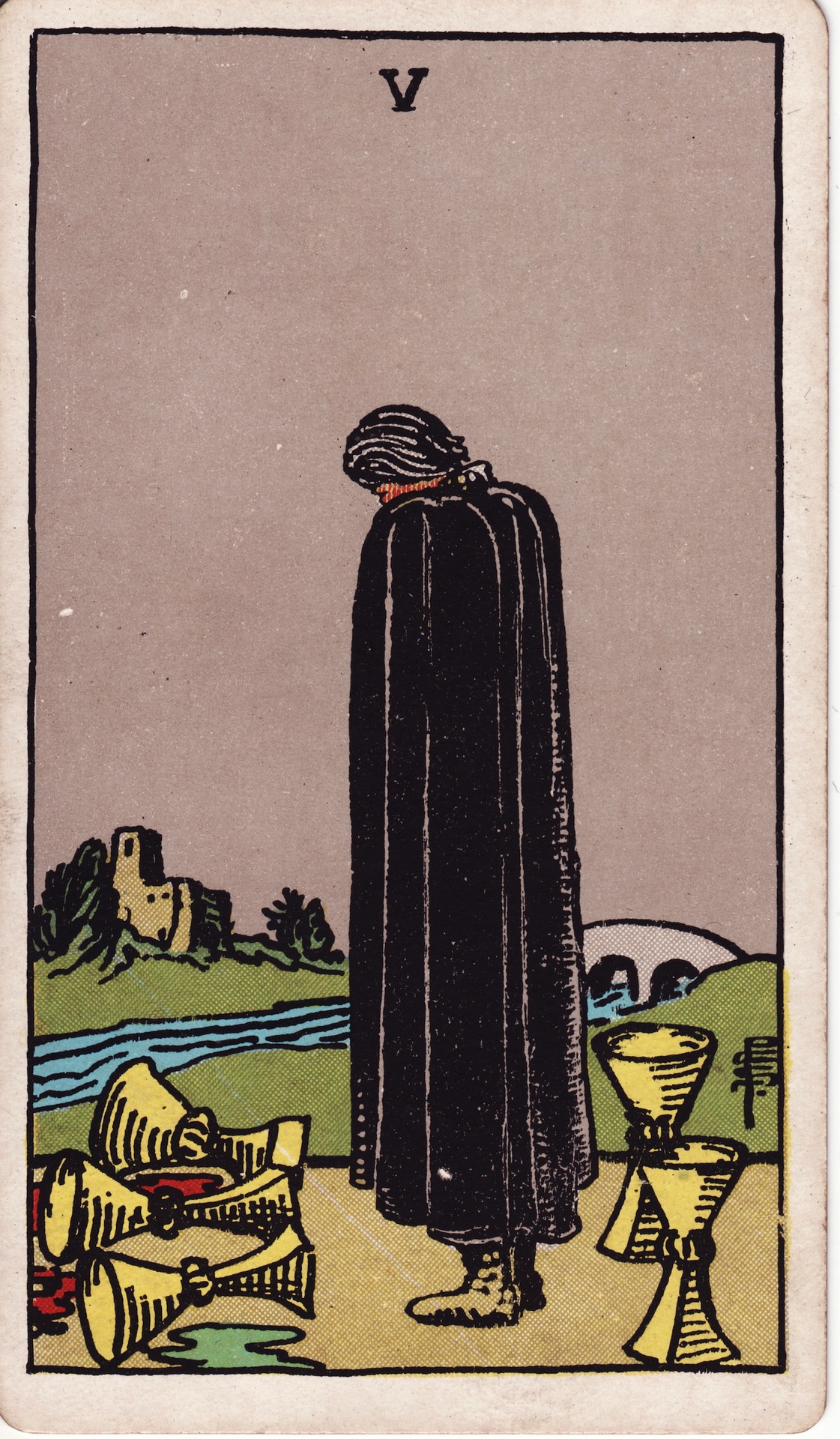
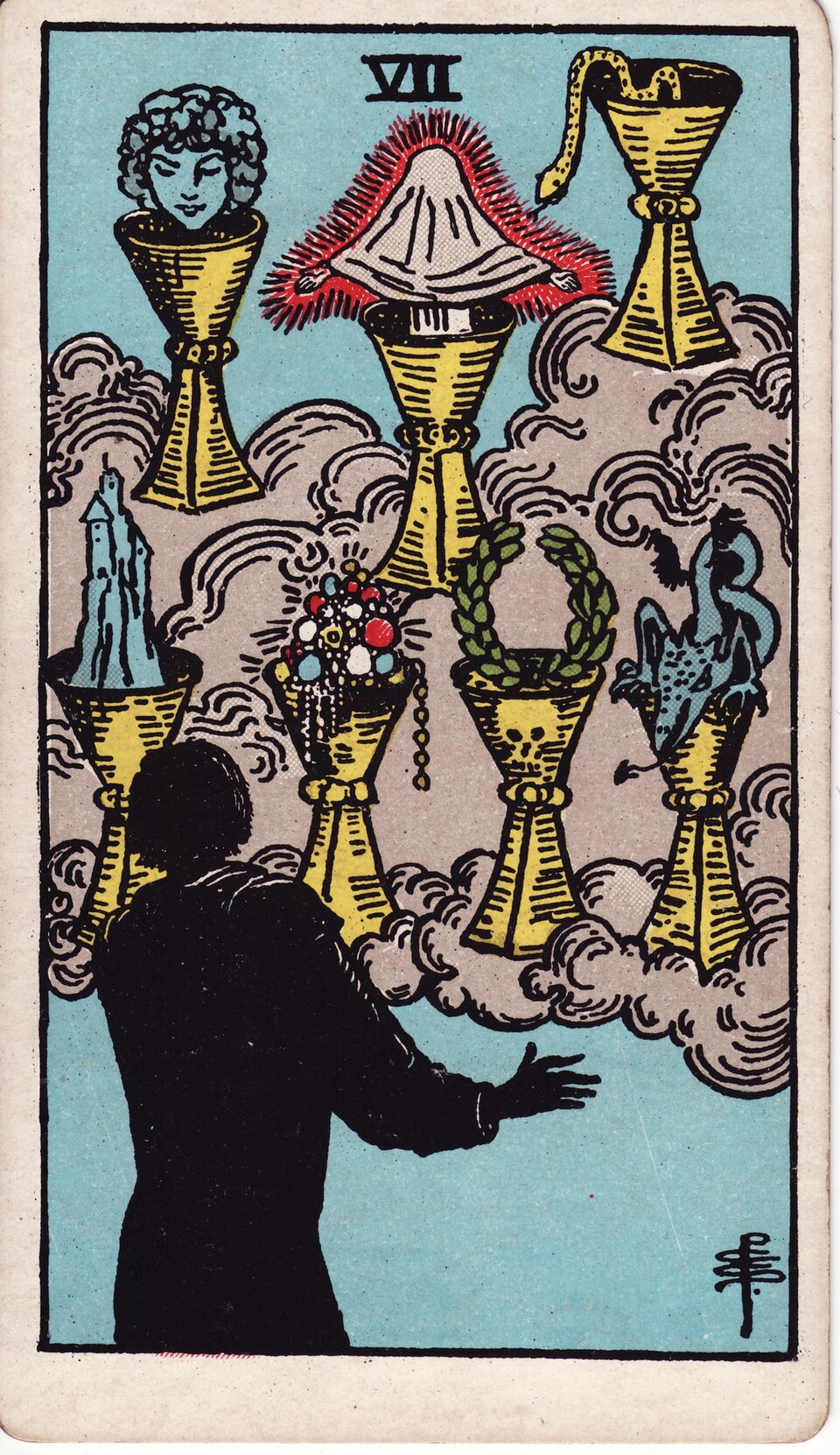
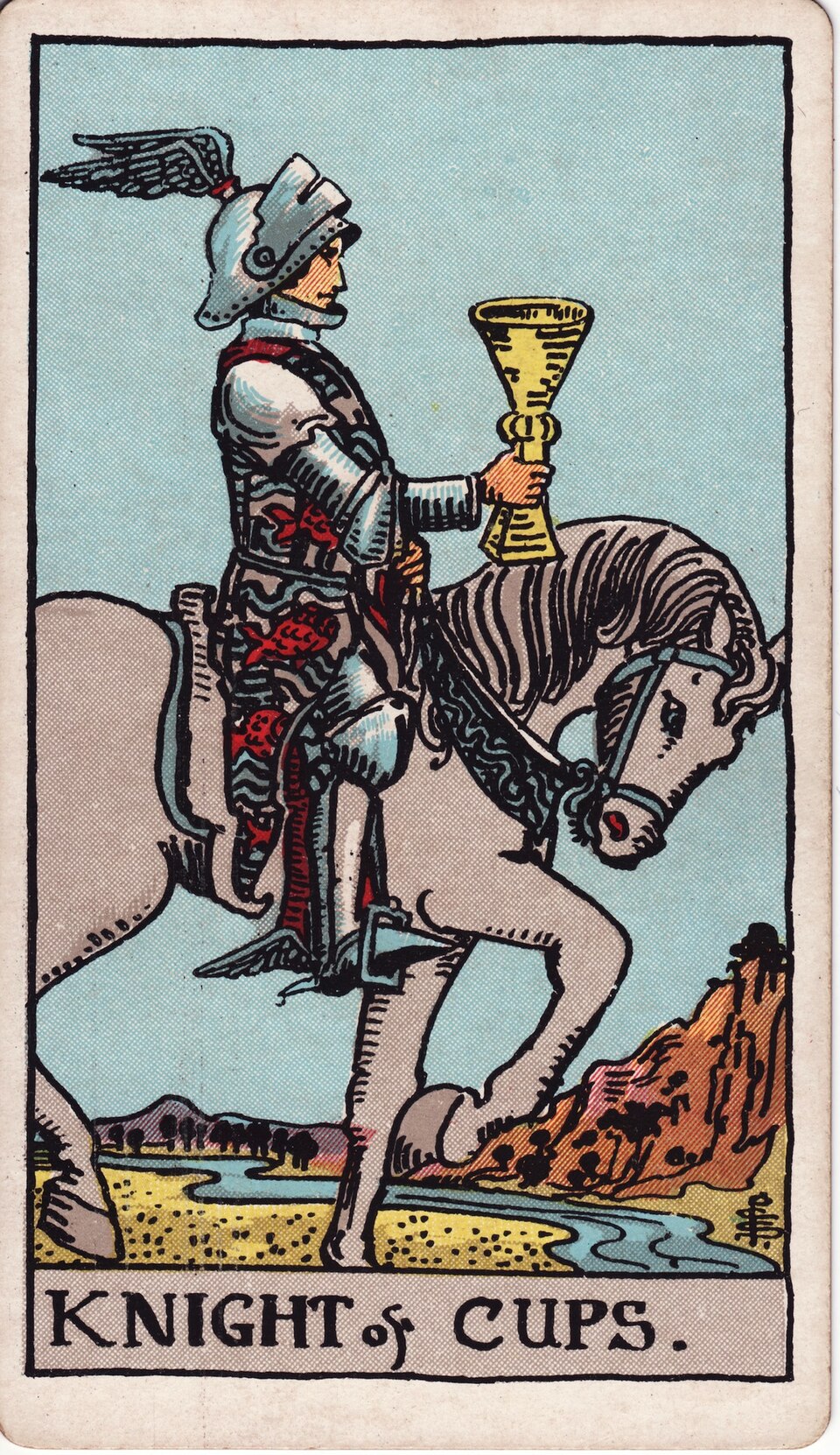
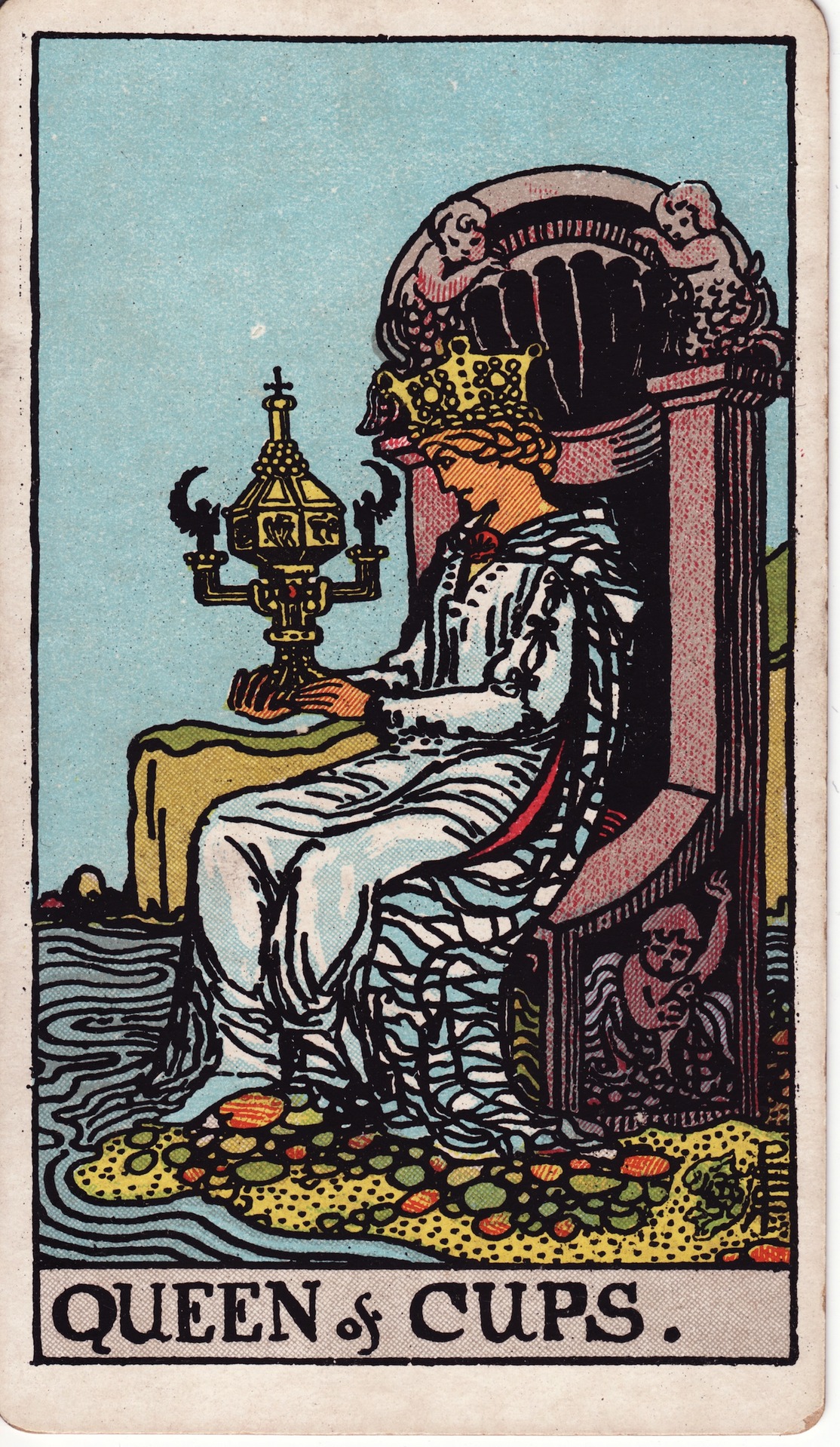
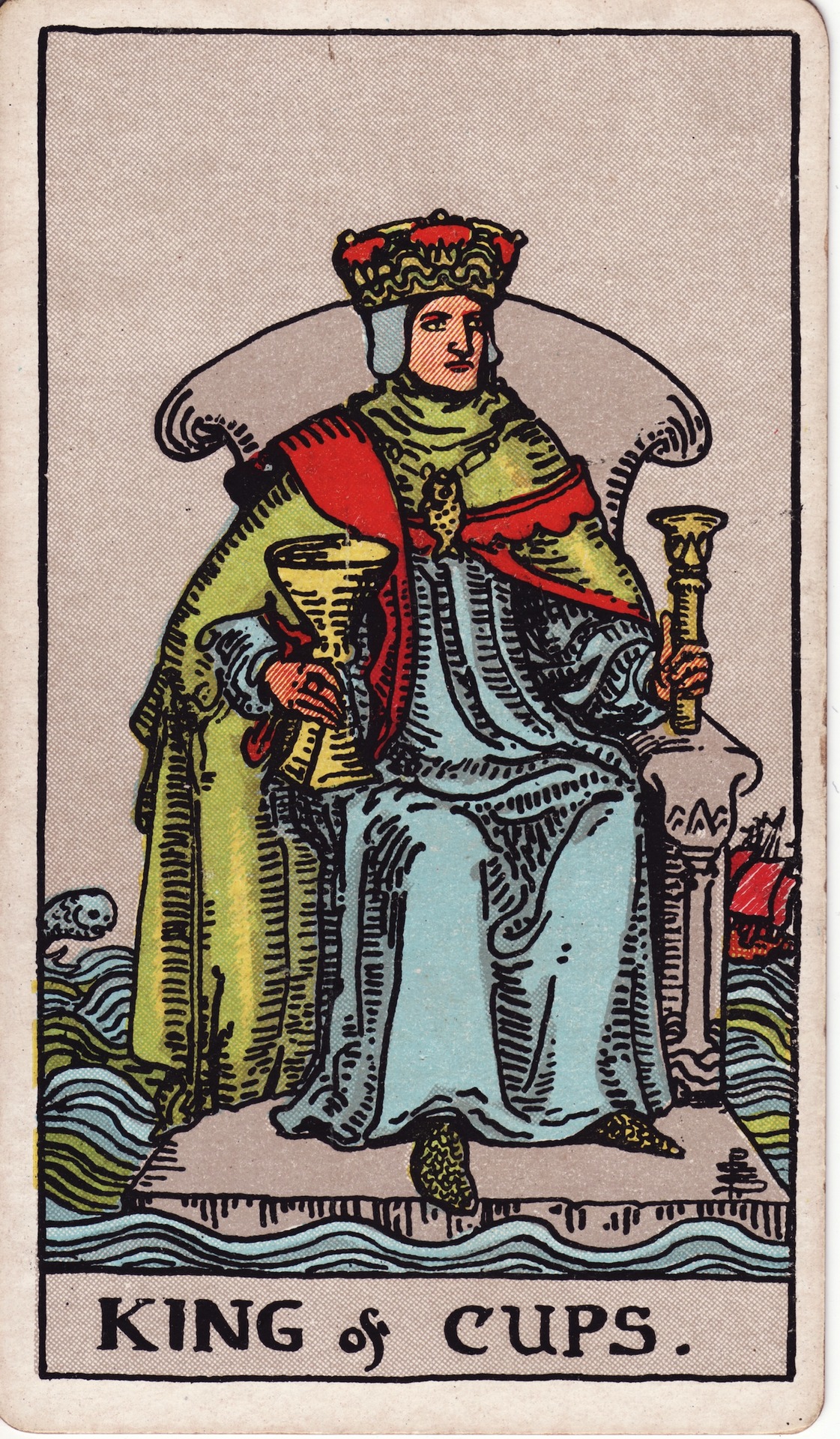
FAQ 1: How does the Golden Dawn understand the Tarot?
In the Golden Dawn tradition, the Tarot is understood as a complete symbolic system encoding the structure of the universe and the path of initiation. It is not a tool for fortune-telling, but a visual and doctrinal map of consciousness aligned with the Tree of Life, the Elements, the Planets, and the Zodiac.
FAQ 2: Is Tarot used for prediction in the Golden Dawn?
No. While Tarot can reflect patterns of experience, the Golden Dawn does not use Tarot primarily for prediction. Instead, it is used for meditation, initiation, ritual training, and the structured understanding of spiritual forces operating within the Great Work.
FAQ 3: How does the Tarot relate to the Tree of Life?
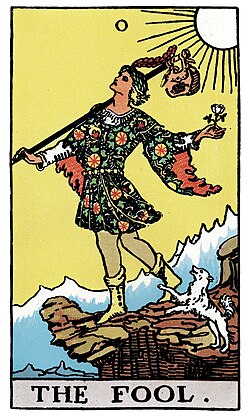
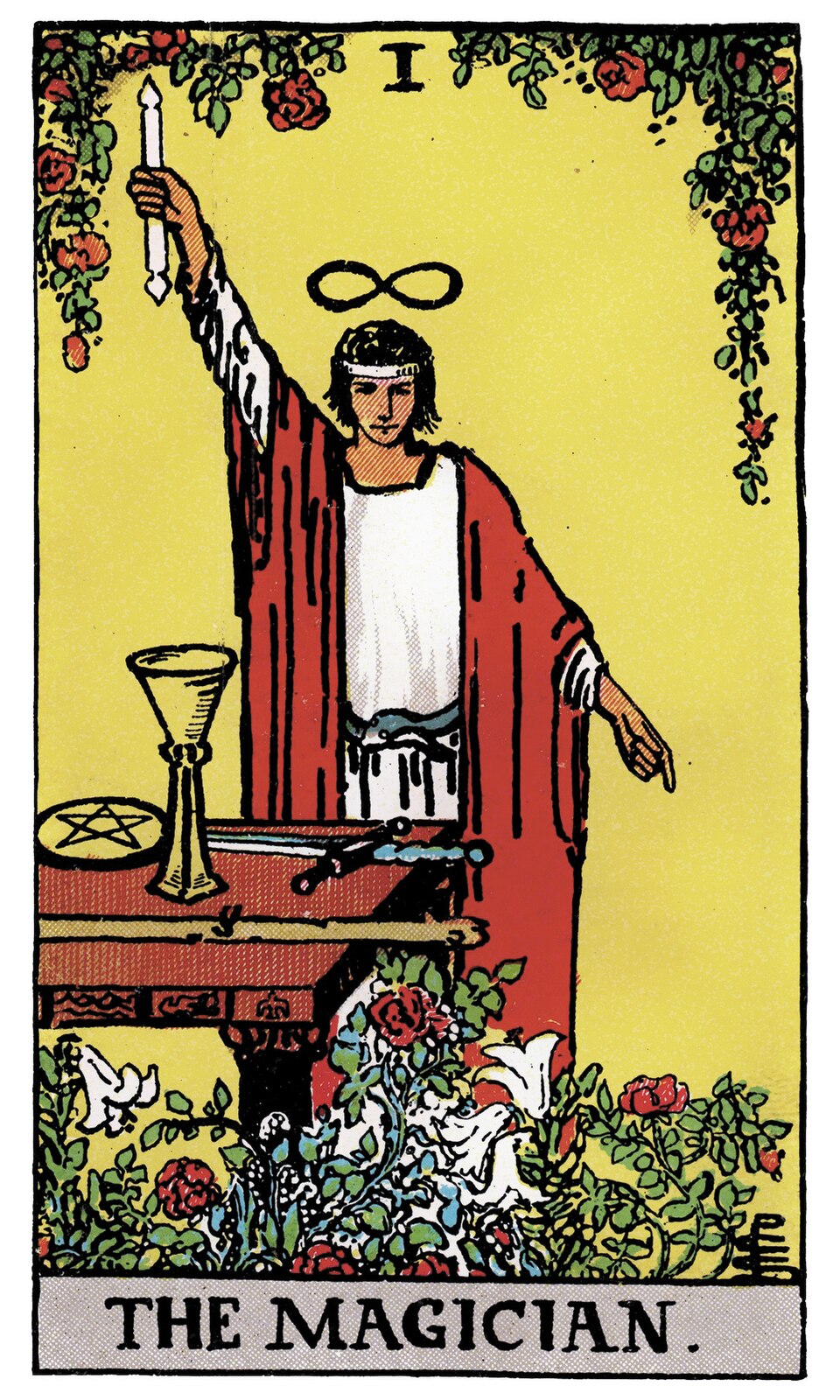
Every card in the Tarot corresponds to a specific position on the Tree of Life. The Major Arcana map the paths between the Sephiroth, while the Minor Arcana express elemental force as it manifests through the Sephiroth. This Qabalistic structure is central to Golden Dawn Tarot doctrine.
FAQ 4: Why is the Golden Dawn Tarot different from modern Tarot decks?
Golden Dawn Tarot is fundamentally different because it is built on a coherent esoteric framework rather than artistic intuition or psychological interpretation. Its symbolism is precise, initiatory, and intentionally aligned with Hermetic, Qabalistic, astrological, and elemental correspondences.
FAQ 5: What role does initiation play in Golden Dawn Tarot study?
Initiation determines how the Tarot is understood. As the practitioner advances, the cards reveal deeper layers of meaning. In Golden Dawn teaching, Tarot study unfolds progressively, mirroring the initiatory journey itself rather than offering instant or superficial insight.
FAQ 6: How do the Major and Minor Arcana differ in Golden Dawn doctrine?
The Major Arcana represent universal initiatory forces and stages of spiritual development, while the Minor Arcana describe how those forces manifest in lived experience through the Elements and Sephiroth. Together, they form a complete symbolic language of consciousness.
FAQ 7: Why is Tarot essential to the Great Work?
Tarot is essential because it provides a symbolic interface between abstract doctrine and lived experience. It trains perception, integrates disparate teachings, and allows the initiate to study spiritual law visually and intuitively while remaining grounded in structure.