Section 2: The Golden Dawn Worldview and the True Meaning of the Great Work
Every authentic magical system rests upon a worldview; a coherent understanding of how reality is structured, how consciousness operates within it, and how transformation occurs lawfully rather than accidentally. The Hermetic Order of the Golden Dawn does not begin with spells, tools, or rituals. It begins with a cosmological model that explains why magic works at all.
Without this worldview, magical practice collapses into fantasy, superstition, or psychological projection. With it, magic becomes a disciplined art of alignment, governed by intelligible principles rather than belief alone.
This section explores the philosophical foundation of the Golden Dawn: the relationship between microcosm and macrocosm, the operational meaning of “as above, so below,” and the Great Work as a precise initiatory process rather than a vague spiritual aspiration.
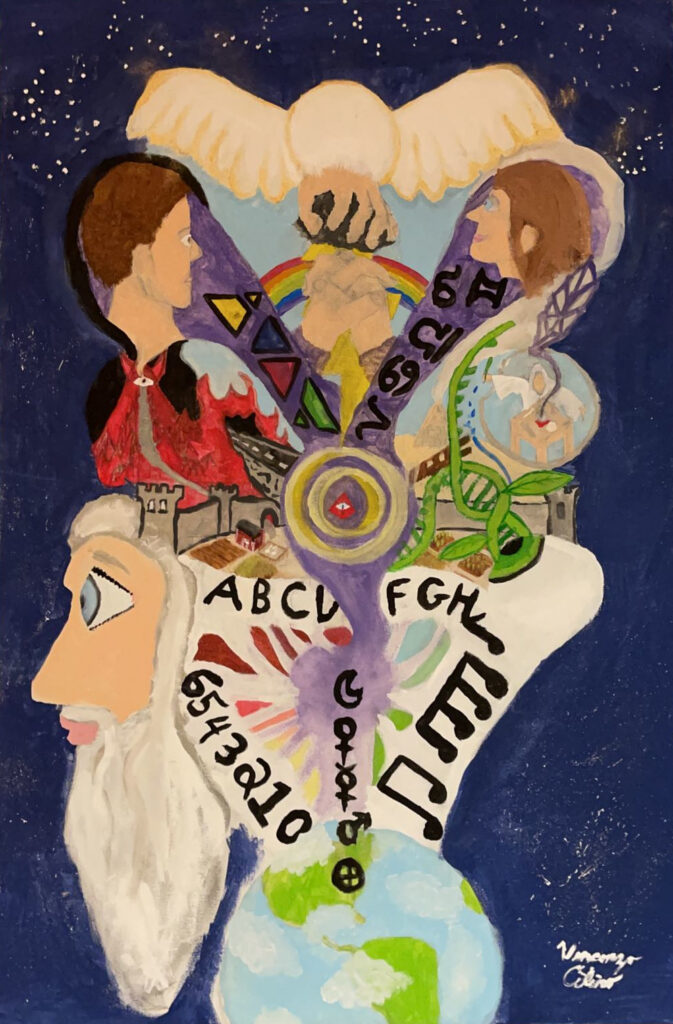
The Golden Dawn Worldview: A Universe of Correspondence
The Golden Dawn teaches that reality is not random, chaotic, or spiritually indifferent. It is structured, ordered through layers of correspondence that connect the inner life of the individual to the vast architecture of the cosmos. This principle is summarized in the Hermetic axiom:
“As above, so below; as below, so above.”
This statement is not poetry. It is a functional law.
Microcosm and Macrocosm
In the Golden Dawn worldview, the human being is a microcosm; a smaller reflection of the macrocosm, the universe itself. The same forces that shape stars, cycles, elements, and intelligences also operate within thought, emotion, will, and perception. The Tree of Life, the planets, the elements, and the zodiac are not external curiosities; they are maps of consciousness expressed at different scales.
This means that magical practice is not about manipulating an external world from the outside. It is about bringing the inner structure of the self into alignment with the universal structure that already exists.
When the microcosm is disordered, perception is distorted, will is fragmented, and emotion is unstable. When the microcosm is aligned, the individual becomes capable of acting in harmony with larger forces rather than in opposition to them.
Magic, in this sense, is participation, not control.
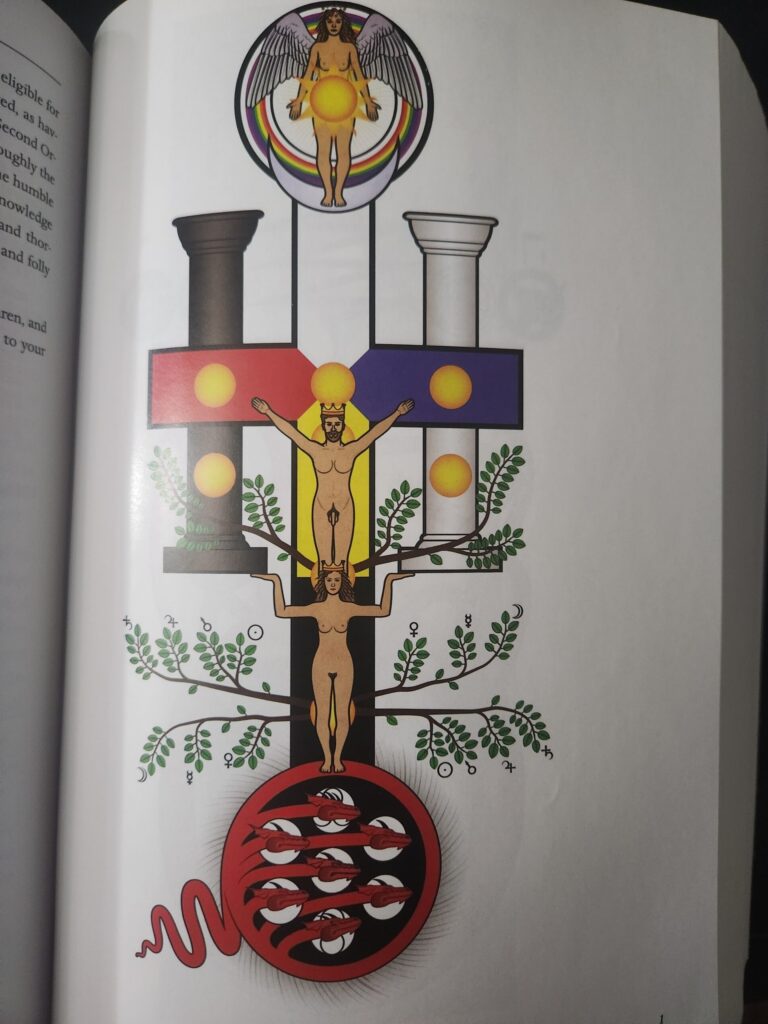
“As Above, So Below” as an Operating Principle
Modern spirituality often treats “as above, so below” as a feel-good slogan. The Golden Dawn treats it as an engineering principle.
If a force exists on a higher plane, it must express itself on lower planes in lawful ways. If consciousness is refined internally, that refinement must manifest externally as clarity, order, and ethical responsibility. If a ritual invokes a force symbolically, that force must be integrated psychologically and behaviorally; or imbalance follows.
This is why Golden Dawn practice insists on:
- Correct correspondences
- Structured ritual forms
- Progressive initiation
- Elemental balance
Nothing is accidental. Nothing is arbitrary. The worldview assumes that everything has consequences, and that true magic respects causality rather than attempting to bypass it.
Magic as Alignment, Not Fantasy
One of the most radical aspects of the Golden Dawn worldview is its rejection of magic as fantasy or wish-fulfillment. Magic is not about imposing desire on reality through imagination alone. Nor is it about escaping the world into altered states.
Magic, properly understood, is alignment.
It is the process by which thought, will, emotion, and action are brought into coherence with universal law. Ritual does not “create” power; it orders the practitioner so power may move through them without distortion.
This is why Golden Dawn magic is demanding. It does not flatter ego or promise shortcuts. It requires:
- Intellectual discipline
- Emotional refinement
- Ethical responsibility
- Structural understanding
When magic is treated as fantasy, it produces instability. When treated as alignment, it produces integration.
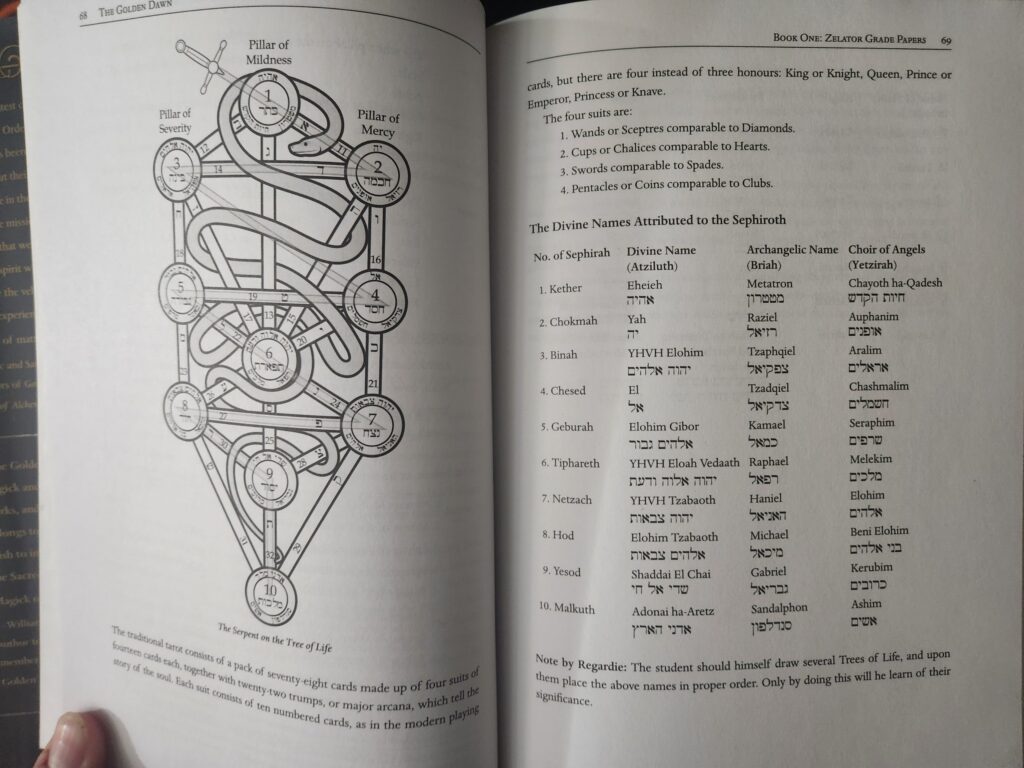
The Great Work: What It Actually Is
Few phrases in Western esotericism are used more often; and understood less; than the Great Work. In the Golden Dawn tradition, the Great Work is not a metaphor, not a motivational slogan, and not a vague promise of enlightenment.
The Great Work is the systematic integration of the self.
It is the process by which the fragmented aspects of the individual; intellect, will, emotion, instinct, and body; are refined, equilibrated, and unified under conscious spiritual authority. The goal is not transcendence of the world, but right relationship with it.
The Great Work unfolds through:
- Elemental balance
- Planetary refinement
- Qabalistic ascent
- Initiatory thresholds
- Ethical alignment
It is progressive, demanding, and cumulative. Nothing is skipped. Nothing is rushed.
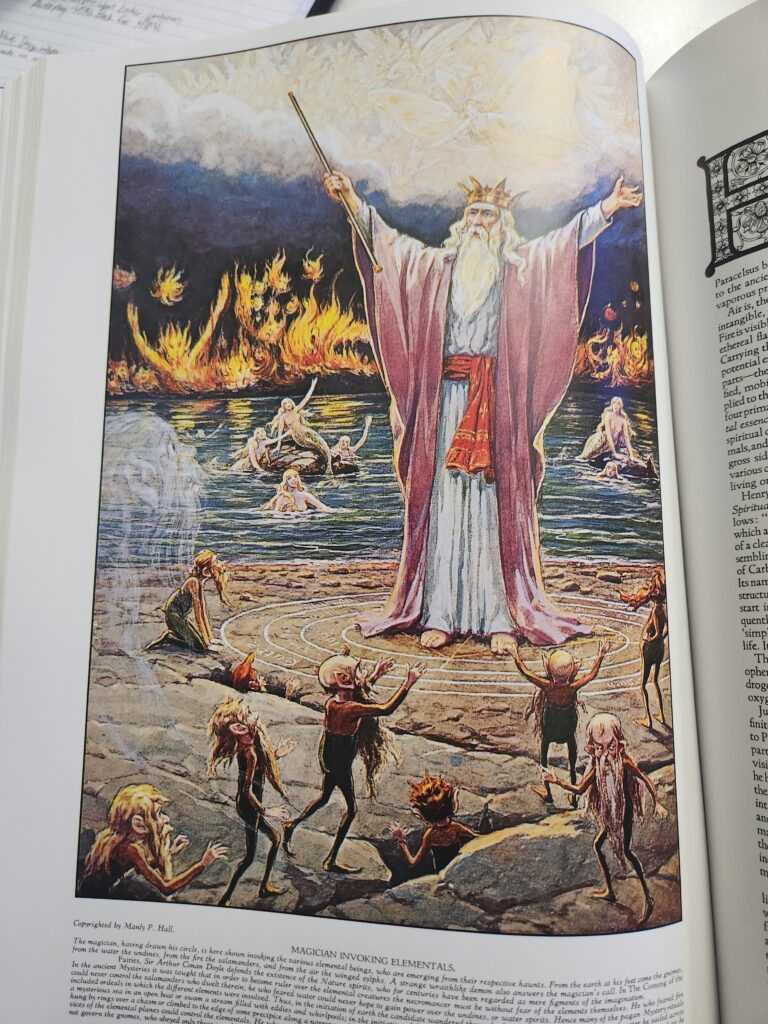
What the Great Work Is Not
To understand the Great Work clearly, it is just as important to understand what it is not.
The Great Work is not:
- Personal branding or spiritual identity
- Constant emotional highs or mystical experiences
- Escapism from responsibility or embodiment
- A rejection of structure in favor of intuition alone
Experiences may occur. Insights may arise. But these are byproducts, not goals.
The Golden Dawn is explicit: experiences without integration lead to inflation, instability, and delusion. Power without structure leads to collapse. Knowledge without discipline leads to confusion.
The Great Work is not about feeling awakened. It is about becoming coherent.
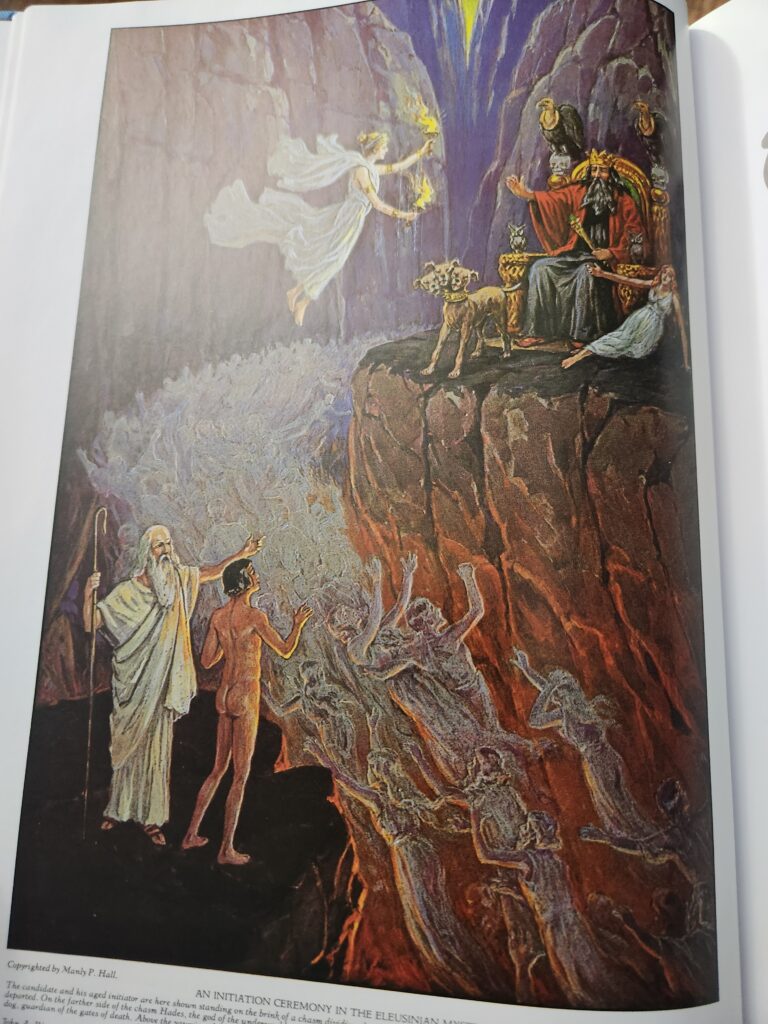
Why Most People Never Complete the Great Work
The Great Work is difficult not because it is obscure, but because it is honest. It reveals the difference between aspiration and discipline, between curiosity and commitment.
Most people fail to complete the Great Work for predictable reasons:
- They seek results without structure
- They pursue experience without integration
- They resist discipline and hierarchy
- They mistake intensity for progress
The Golden Dawn does not accommodate these tendencies. It does not promise comfort. It promises transformation, which requires surrender of illusion and egoic identity.
This is why the system has always been for serious aspirants; not because it is elitist, but because it demands responsibility.
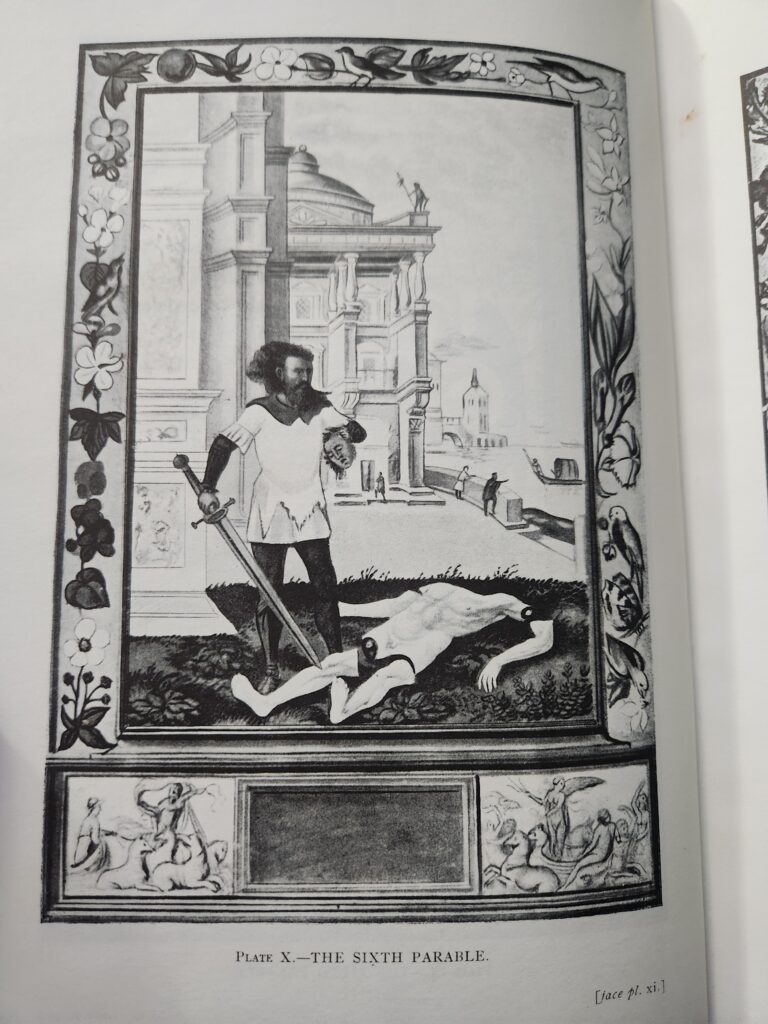
The Golden Dawn Worldview as a Corrective
In a modern spiritual culture saturated with information but lacking coherence, the Golden Dawn worldview functions as a corrective force. It restores:
- Structure over improvisation
- Integration over fragmentation
- Doctrine over opinion
- Alignment over fantasy
It insists that spiritual development is not a mood, a trend, or a performance; but a lawful process governed by intelligible principles.
This worldview does not restrict freedom. It makes freedom real.
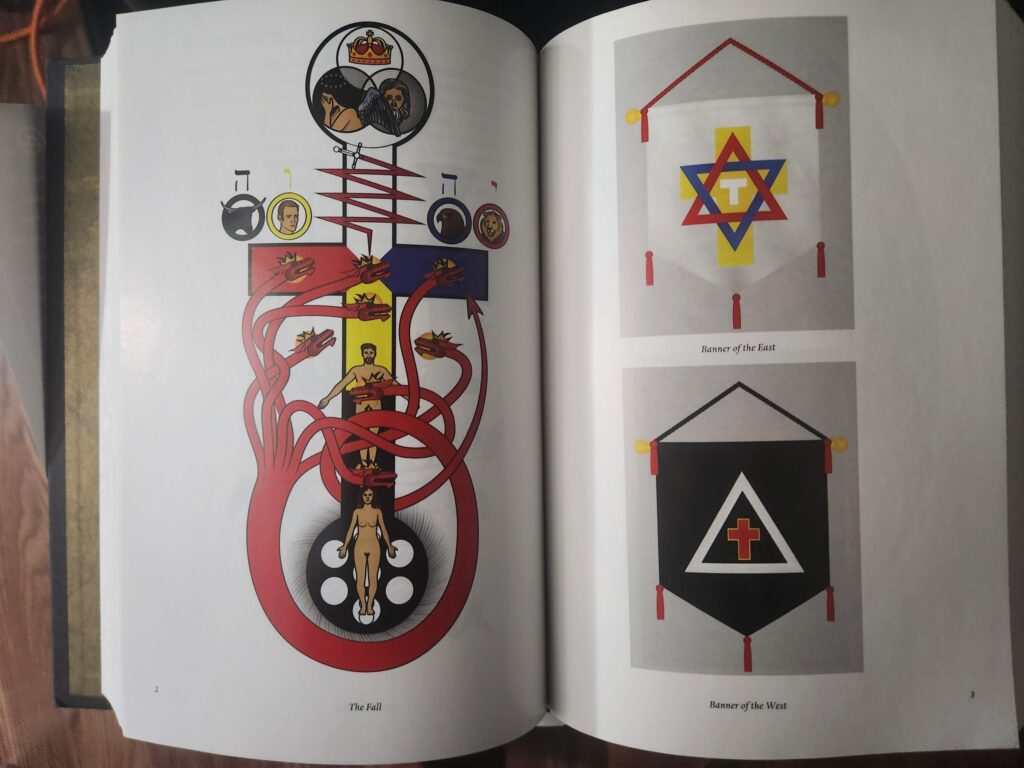
Where This Leads
Once the worldview is understood, the next step is inevitable: the system that organizes it.
- Section 3: The Tree of Life as the Operating System
(why all Golden Dawn work is Qabalistic, and why skipping it ruins everything)
From there, the Work becomes practical, embodied, and precise.
FAQ 1: What does “as above, so below” actually mean in the Golden Dawn?
In the Golden Dawn tradition, “as above, so below” describes a functional law of correspondence between consciousness and the structure of reality. It means that the same principles governing the cosmos also operate within the individual, allowing spiritual development to occur through alignment rather than belief or fantasy.
FAQ 2: How does the Golden Dawn understand the relationship between microcosm and macrocosm?
The Golden Dawn teaches that the human being is a microcosm of the greater universe, or macrocosm. Spiritual work involves bringing the inner structure of thought, emotion, and will into harmony with universal forces, rather than attempting to escape or dominate them.
FAQ 3: Is magic considered psychological or spiritual in the Golden Dawn system?
In the Golden Dawn, magic is neither purely psychological nor purely spiritual. It is a disciplined process of alignment in which consciousness is trained to operate coherently across mental, emotional, and spiritual levels through structured symbolism, ritual, and initiation.
FAQ 4: What is the Great Work according to the Golden Dawn?
The Great Work in the Golden Dawn refers to the progressive integration and refinement of the self through lawful initiation. It involves balancing elemental forces, understanding planetary and zodiacal influences, and ascending the Tree of Life in a coherent and ethical manner.
FAQ 5: What is the Great Work NOT?
The Great Work is not about chasing mystical experiences, adopting spiritual identities, or rejecting structure in favor of intuition alone. In the Golden Dawn tradition, experiences are secondary to integration, and progress is measured by coherence, responsibility, and stability rather than intensity.
FAQ 6: Why do most people fail to complete the Great Work?
Most people fail to complete the Great Work because they seek transformation without discipline or structure. Without progressive initiation and balance, spiritual practices become fragmented, leading to confusion, imbalance, or stagnation rather than sustained development.